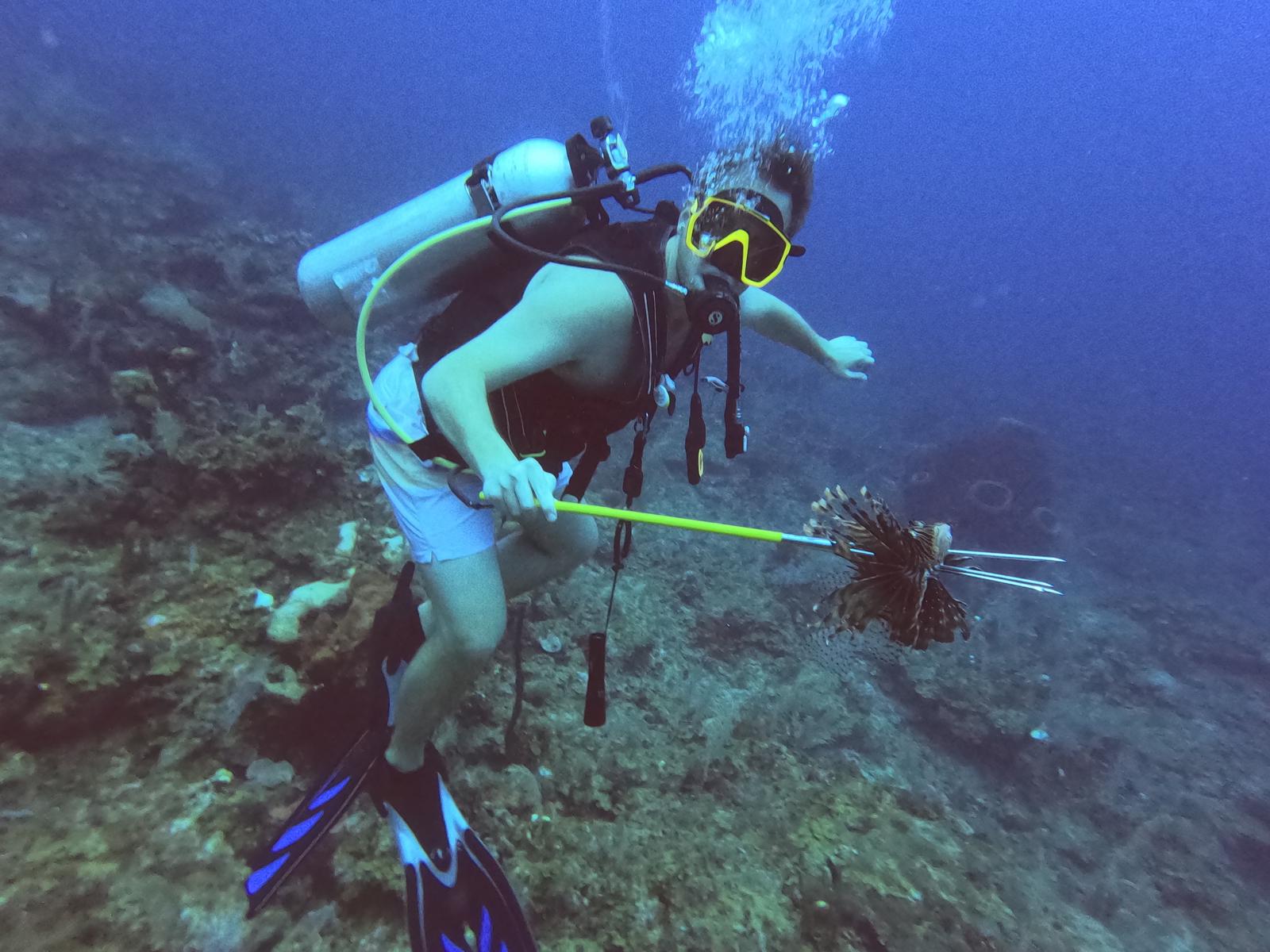
When many people think of scuba diving, they imagine a tranquil swim among sea creatures. However, not all dives are peaceful. Many dives (especially those at significant depths) may cause scuba divers to panic. And as Sean Bassik can tell you, panic can be deadly.
“When a diver starts to panic, they’re putting themselves in danger,” Bassik says. “If they make a fast, uncontrolled ascent to the surface of the water, they could suffer a lung injury or embolism. They might pull off their mask and start inhaling water.”
Bassik is an experienced scuba diver who has been on dives and rescue missions up to 185 feet deep. He’s found that the controlled decision-making that keeps divers alive underwater is the exact same kind that durable business leaders need.
“Scuba diving forces a level of clarity, patience, and respect for process that most people never experience,” he says. “If you’re 150 feet underwater and you have an equipment malfunction, speed and confidence won’t save your life. Staying focused and level-headed might.”
Business owners often must make decisions under pressure, and Bassik says scuba diving has helped him keep his emotions in check and focus on the solution to the problem. The stakes are often higher in diving than in business, staying calm and measured could mean the difference between life and death.
In his work as an angel investor, Bassik has encountered situations analogous to those of panicked divers. Business owners are often well-acquainted with pressure, and a certain amount can actually be motivating. But if the founder of a company is in too deep, they might start to panic and make rash decisions.
“Operating in a sustained pressure bubble is not good for anyone,” Bassik says. “Sliding deeper and deeper into debt causes the kind of stress that can lead to negative headspace and an inability to make good decisions. That’s the last thing an entrepreneur needs to be successful.”
Bassik treats many of his angel investments like rescue missions. Like a panicked scuba diver, a company’s founder may be unable to make the right decisions. Bassik applies calm, measured thinking to help the company move forward.
“When we partner with a business owner, we help them ease their stress and step outside of the pressure bubble,” he says. “They’re still under some pressure to meet the objectives we agreed upon. But this time around, they’ll have access to money, knowledge, and connections to fully support their success.”
Investing in a struggling company isn’t without risk, and neither is helping a distressed scuba diver. If a diver starts to panic and a fellow diver stops to help, the endangered diver’s fight-or-flight response may lead them to unintentionally injure the person trying to save them.
Fortunately, Bassik’s experience with building businesses from the ground up, along with his experience with scuba diving, has helped him develop the kind of disciplined problem-solving skills that every angel investor needs. By guiding overwhelmed startup founders toward security, he’s helping to shape the next generation of business owners.