For patients seeking cancer treatment abroad, modern oncology is not limited to chemotherapy, surgery or radiotherapy. It also means nutrition, pain control, emotional support and close follow up.
Cancer treatment can feel like a world of tests, reports and treatment names. A patient may hear about surgery, chemotherapy, radiotherapy, immunotherapy or targeted therapy. These treatments are important. Yet the person receiving them needs more than a plan for the tumour.
For patients who are considering oncology care in Türkiye, holistic cancer care can make the treatment journey clearer and more humane. It does not mean replacing medical treatment. It means supporting the patient through every stage of it.
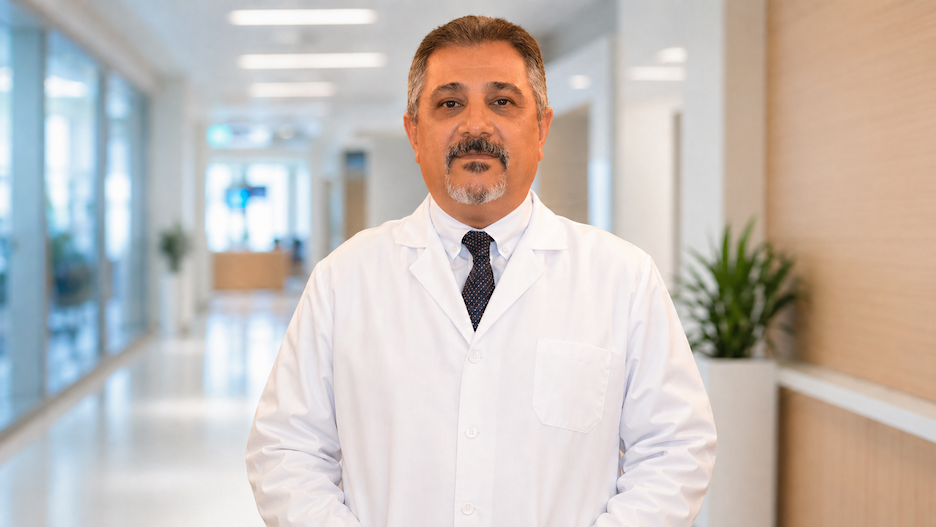
Prof. Dr. Erkan Doğan, a medical oncology specialist at Medicana Health Group in Istanbul, says the first goal is to see the patient as a whole person.
“A tumour diagnosis is medical, but the experience is personal. The patient may have pain, fear, weight loss, sleep problems, family worries and questions about work. If we only look at the tumour on the scan, we miss the reality of the person in front of us,” says Prof. Dr. Erkan Doğan.
This view affects daily care. Doctors still focus on accurate diagnosis and evidence based treatment. But they also ask how the patient is eating, sleeping and coping. They check symptoms early. They help families understand what is happening. They plan treatment around safety, not only speed.
Photo: Prof. Dr. Erkan Doğan via FL Comms
Why supportive care belongs inside oncology
Supportive care includes pain management, nutrition support, nausea control, fatigue care, psychological support and infection prevention. It may also include palliative care, which is often misunderstood. Palliative care is not only for the final days of life. It can support comfort and quality of life during active treatment.
Prof. Dr. Erkan Doğan says patients should not wait until symptoms become severe. Small problems can become large barriers if they are ignored. Poor nutrition can weaken the body. Uncontrolled pain can reduce movement and sleep. Anxiety can make treatment feel harder.
“Good oncology care asks about symptoms before they become a crisis. If a patient cannot eat, cannot sleep or is afraid to report pain, the treatment journey becomes heavier. Supportive care helps the patient stay strong enough to receive the treatment that is planned,” explains Prof. Dr. Erkan Doğan.
Nutrition is one of the most common concerns. Some patients lose weight before treatment starts. Others struggle with taste changes, nausea or mouth sores. A nutrition plan can help maintain strength. It should be realistic and adapted to the cancer type, treatment and patient preference.
Pain care is another key area. Cancer pain can come from the tumour, surgery, nerve irritation or treatment side effects. It should be assessed carefully. The aim is not only to reduce pain scores. It is to help the patient walk, rest, breathe and live with more comfort.
Close follow up helps patients feel less alone
Cancer care often involves many specialists. Medical oncologists, surgeons, radiation oncologists, radiologists, pathologists, nurses, dietitians and psychologists may all be part of the same journey. When these voices are connected, the patient receives clearer guidance.
Prof. Dr. Erkan Doğan says communication is especially important for international patients. A patient travelling from another country to Turkey needs to understand each step before leaving home. They also need a follow up plan for after they return.
“International cancer care must be very clear. The patient should know why a treatment is recommended, what side effects may happen, when to seek urgent help and how follow up will continue. Clear communication lowers fear because the patient is not left guessing,” Prof. Dr. Erkan Doğan notes.
Psychological support also matters. A cancer diagnosis can affect identity, relationships and future plans. Some patients feel pressure to stay positive all the time. Others feel guilty about needing help. Honest emotional support gives patients room to speak without judgment.
Families also need guidance. They may want to help but not know what to do. They may search online and find confusing information. A care team can help them focus on safe, practical support such as medication schedules, meals, transport and symptom tracking.
Holistic care also respects the patient’s goals. Some people want aggressive treatment when there is a strong chance of benefit. Others need a plan that protects comfort and time with family. These decisions should be made with medical facts and human values in the same conversation.
Prof. Dr. Erkan Doğan says: “At Medicana Health Group, we aim to bring the medical and human parts of oncology together for patients who travel for care. For a patient from abroad, this means tumour focused treatment, but also nutrition, symptom control, emotional support and follow up planning. The centre of care is not only the disease. It is the person living with it.”
Holistic cancer care does not make treatment less scientific. It makes it more complete. When the patient is supported as a whole person, the path through cancer care can become safer, clearer and less isolating.