Audience expectations around medical programming have shifted in recent years. Viewers are showing greater interest in stories that feel grounded and unscripted. There is less appetite for dramatized hospital scenes and more curiosity about how emergency medicine truly works. This change reflects a broader desire for transparency and factual storytelling. Medical documentaries are now judged on credibility as much as entertainment value.
That demand for authenticity has created space for projects that rely on real events rather than reenactments. That demand for authenticity has created space for projects that rely on real events rather than reenactments. Across film and television, documentary formats have expanded into fields once dominated by scripted drama. News platforms and streaming services alike have invested in nonfiction storytelling that prioritizes access and accuracy. Health care has become a natural focus within this shift. The stakes are universal, and the public conversation around medicine continues to evolve.
People want to understand what happens inside emergency departments beyond fictional portrayals. They are looking for context, complexity, and human decision-making under pressure. Accuracy matters, especially when lives are involved. Programs that capture real care without embellishment are gaining attention
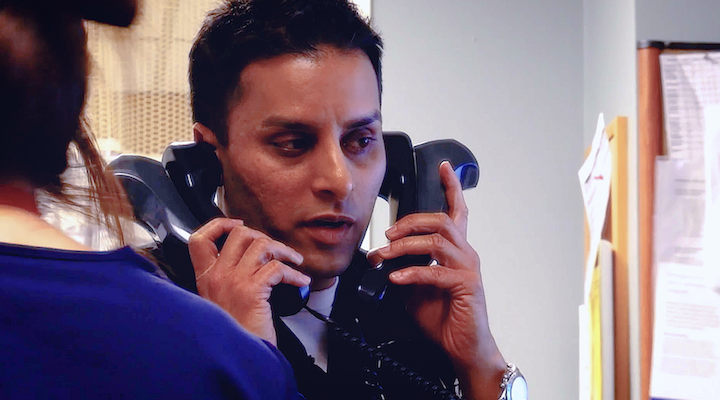
Desert Doc was developed within this context. The series documents actual emergency cases inside Medical Center Hospital in Odessa, Texas. The hospital serves a vast region of nearly 38,000 square miles, an area comparable in size to some U.S. states. The footage is not staged or recreated. It presents real patients, real timelines, and real outcomes.
The setting plays a significant role in the narrative. Medical Center Hospital covers one of the largest service areas in the country, which adds logistical complexity to each case. Coordination with Odessa Fire Rescue is also central to the story, particularly in trauma and critical response situations. The show captures this continuum of care from the moment of emergency response to treatment in the emergency room. This structure allows viewers to see how systems work together under pressure.
Dr. Sudip Bose is featured prominently in the series. He is an emergency physician and serves as Medical Director for Odessa Fire Rescue. His dual role bridges hospital medicine and prehospital response. That perspective adds depth to the documentation of each case. It also reinforces the emphasis on coordination and preparedness in a large rural region.
Media coverage has highlighted the show’s commitment to authenticity. Articles and interviews have focused on the scale of the hospital’s coverage area and the operational demands placed on staff. Coverage has also addressed the ethical considerations involved in filming real emergencies. Patient consent, privacy, and dignity remain central to the production process. This careful approach supports credibility and trust.
The broader public interest in real medical stories is unlikely to fade. Health care remains a central concern for communities across the country. Documented experiences from working in emergency departments provide insight that fictional narratives cannot replicate. Desert Doc contributes to that understanding by presenting emergency medicine as it unfolds in real time. In doing so, it reflects an ongoing shift toward transparency, accountability, and informed storytelling in medical media.