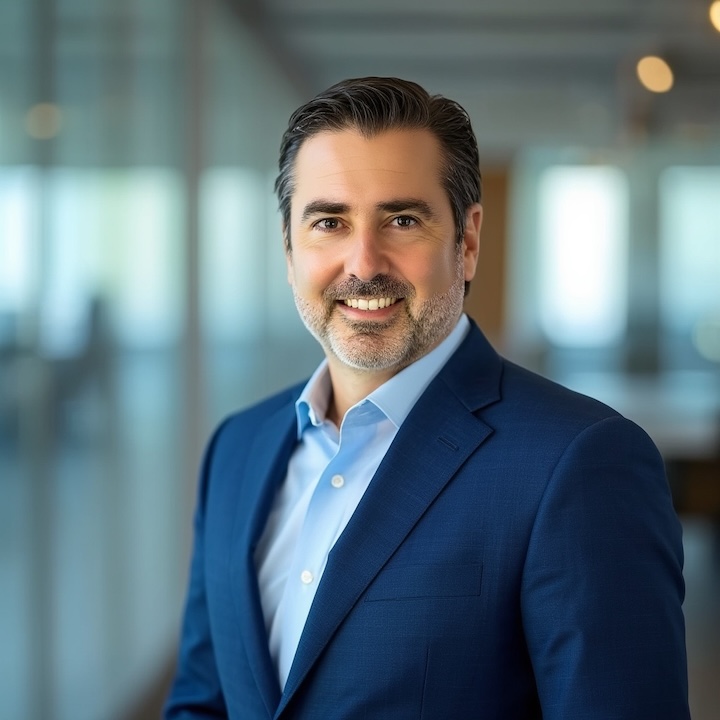
Executives are rethinking leadership as workplaces move beyond corner offices and rigid hierarchies. Jose Tolosa, a seasoned CEO, has led global media and creative organizations through change. His experience highlights how leaders at all levels are shifting assumptions around influence, authority, and learning from mistakes.
Cultivating a Learning Mindset Inside Complex Workplaces
A recurring topic in executive circles is the value of cultivating a learning mindset and normalizing failure. While many companies talk about growth, not as many create spaces where employees can learn by trying and adjusting. Former colleagues have noted that he encouraged leaders to step back, assess new information with clarity, and accept course corrections when needed. That approach mirrors what organizational psychologists describe as a growth-minded culture, where the goal is not perfection but progress.
Making failure normal does not mean lowering standards. It means recognizing that tough problems rarely have simple answers. A report from the MIT Sloan Management Review says companies with strong learning cultures often review their assumptions, encourage open reflection, and create psychological safety. Leaders like Jose Tolosa often stress the value of making complex issues less overwhelming by breaking them into smaller, manageable decisions that teams can learn from.
In practice, the simplest shift can be the most effective. When employees understand that mistakes are part of the development process, they are more willing to take initiative. Their confidence grows, and the organization benefits from ideas that might have stayed unspoken in a more traditional hierarchy.
Empowering Autonomy and Ownership Across Teams
Teams that feel empowered to take ownership of their work have become essential as industries push through rapid change. Companies can no longer depend on a single leader or department to carry all the momentum. They need people across the organization who understand broader goals, take responsibility for outcomes, and feel confident making decisions that move the work forward.
Tolosa’s leadership shows that autonomy can succeed even in high-pressure settings. At ViacomCBS and later at Meow Wolf, he set up teams to focus on purpose, momentum, and quick wins. Once teams understood their goals, they were trusted to get the job done. Studies from the Center for Creative Leadership also highlight autonomy as a key factor in team performance.
Workplaces that support autonomy often see better problem-solving and communication because people feel responsible for results, not just for following orders. When expectations are clear and people truly own their work, they can grow into leaders themselves. This also builds resilience, which is important during times of change. Definition of Executive Presence
As leadership shifts away from traditional offices, the meaning of executive presence is changing too. It used to be about authority, titles, and office space. Now, it is more about being accessible, clear, and emotionally steady.
Colleagues who have worked with Jose Tolosa describe a leadership approach centered on calm decision-making and a clear sense of purpose. These attributes are becoming more common across modern organizations. People want leaders who can translate complexity into understandable direction, who remain grounded during moments of ambiguity, and who make decisions with a sense of humanity.
This change aligns with the Deloitte Human Capital Trends report: employees now value leaders who show empathy, are transparent, and listen. As workplaces become less hierarchical, leaders need to work more closely with their teams.
Companies trying to build learning cultures often focus on three things: room to experiment, feedback that brings clarity, and leaders who show humility. Tolosa often stressed the need to stay focused on purpose but flexible in how to get there. This is what management experts call adaptive leadership.
Adaptive leadership encourages teams to question assumptions and revisit initial plans when needed. It also calls for leaders to acknowledge when they do not have all the answers. This transparency creates trust and encourages people to share insights that might otherwise go unheard.
Organizations that use these practices often see better long-term results. Employees are more engaged, communication is more open, and leaders can improve more quickly.
Autonomy as a Driver of Creativity and Accountability
Letting teams take ownership is more than a management decision. It sends a message of trust. When employees are trusted with real responsibilities, they often do more than expected.
In many creative or fast-moving companies, autonomy is the foundation for breakthrough results. Teams bring forward insights that leadership alone might not see. They respond faster to challenges because they understand the goals and have the authority to act.
Executives who have worked in many types of organizations, often say that empowerment works best when there is clarity. People need to know the goal before they can take ownership. Once that is clear, autonomy has an even bigger impact.
Building Modern Leadership by Letting Go of Old Structures
Today, leadership is less about office location and more about helping others use their strengths. It means balancing giving direction with being humble, mixing strategy with personal connection, and combining clarity with curiosity. Throughout his career, Jose Tolosa has often spoken about the value of purpose-driven leadership, where decisions reflect not only ambition but also care for people. That approach echoes a broader trend visible across multiple industries. Whether in media, technology, or experience-centered companies, leaders who prioritize learning, autonomy, and emotional steadiness are increasingly the ones shaping meaningful change.
A Future Built Through Shared Purpose And Collective Growth
As workplaces rethink leadership beyond the corner office, ideas like a learning mindset, honest communication, and personal ownership are leading the way. Leaders who support these values help build organizations that are more adaptable, trusting, and ready for long-term success.
Executives such as Jose Tolosa, whose experience spans transformation, culture building, and global strategy, offer useful insights into how these ideas work in real life. They are not the main focus, but serve as examples of how leadership changes when people are encouraged to contribute, learn, and lead together. It will likely be shaped by leaders who stay grounded, who invite others into the process, and who understand that progress is rarely linear. What matters most is the willingness to learn, the courage to adapt, and the trust that empowers people to grow alongside the organizations they serve.