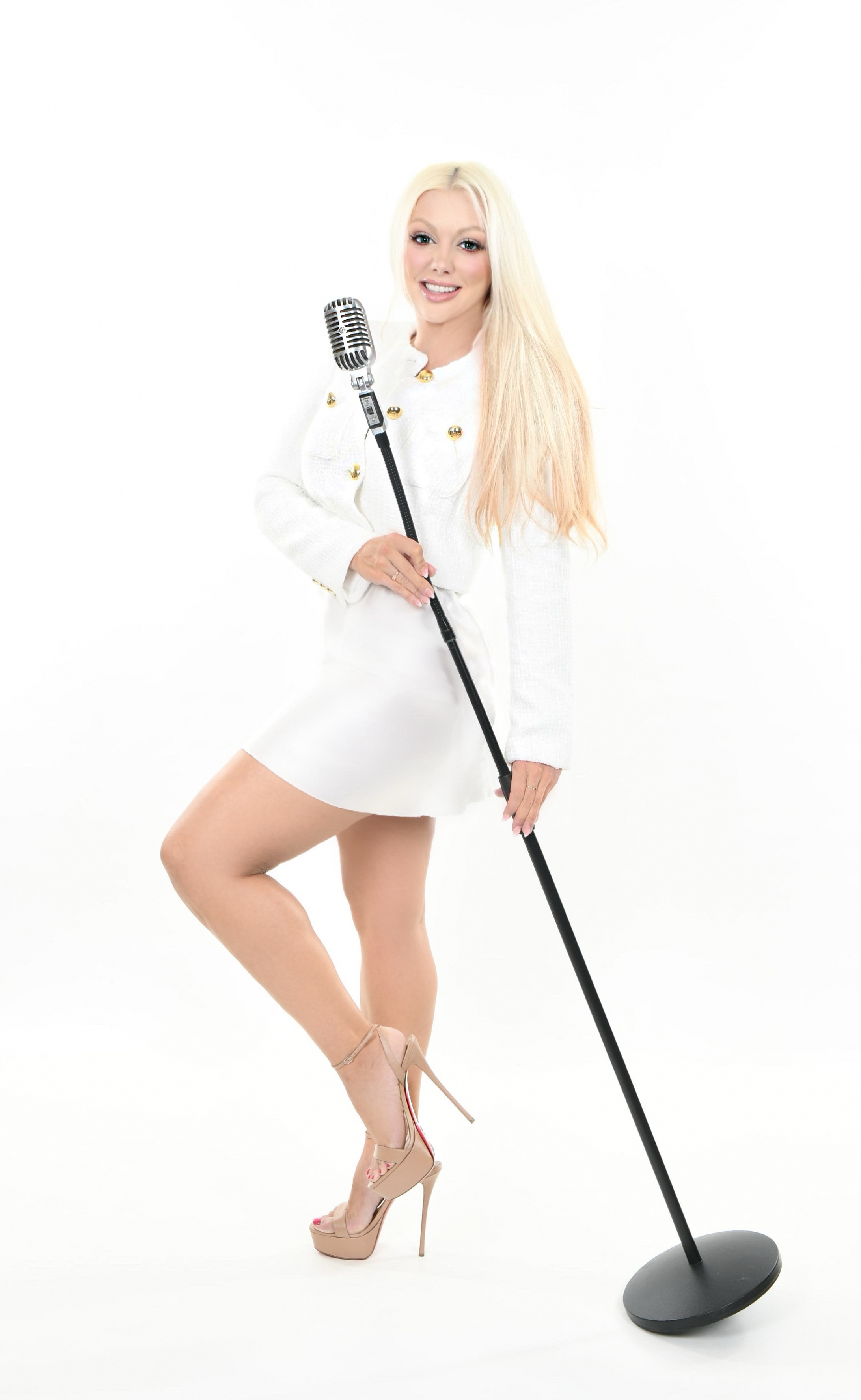
Classical training is not usually the first thing people think of when they watch a high-energy piano entertainer play a pop hit blindfolded. But it’s often the quiet force behind confidence on stage, control at the keys, and the freedom to play without overthinking. That’s exactly what shaped Sarah Angel’s career.
Sarah Angel, a piano performer and founder of Posh Piano, didn’t plan to blend classical roots with modern music. But it happened naturally. Growing up, she spent years in recital halls, competitions, and adjudications. That kind of training drilled muscle memory into her hands and discipline into her mind. It didn’t just teach her how to play, it taught her how to prepare, adapt, and lead. Those early years gave her a kind of musical fluency that shows up today in ways her audience might not realize.
She doesn’t play classical pieces in her shows. But when she writes her own music, little moments from her training slip in, fast flurries in intros, elegant transitions, subtle runs that feel more emotional than flashy. These are not added for attention. They are just part of how she thinks musically. It’s instinctive, not intentional. But it adds texture and depth that makes her music stand out.
Her style is also defined by what she chooses to leave out. When covering well-known songs, she knows when to keep things simple. Instead of layering on technique, she focuses on feel, on groove, timing, and connection. Classical music taught her the value of precision. Live performance taught her when to let go of it.
That balance of control and freedom is one of her biggest strengths. It’s also what makes her performances feel both polished and human. One minute, she is nailing a complex solo. Next, she is playing it blindfolded, trusting her hands to do what they have done a thousand times before. It’s not a gimmick. It’s the result of years of work that most people never see.
That background shapes how she runs her business, too. As the founder of Posh Piano, Sarah books and manages live shows for luxury events. She does not just perform; she hires other musicians, sets up full-scale productions, and ensures every detail is covered. Classical training taught her how to lead herself. That now extends to leading others.
But her path has not been without challenges. Classical training is often focused on perfection; every note, every tempo marking, every dynamic must be exact. In the world of live shows, perfection is a myth. Something always shifts: the crowd, the room, the energy. Sarah had to unlearn some of that rigidity and replace it with responsiveness. She had to stop aiming for perfect and start aiming for impact.
That lesson now influences how she mentors other musicians. She encourages them not to chase trends or copy what’s already working. Instead, she pushes them to find their own sound, to lead with their strengths, even if those strengths come from unexpected places like a classical background. She has seen that what makes a performer truly magnetic is not just skill, it’s ownership.
Sarah’s career is not built on flashy branding or viral videos. It’s built on real work. It’s built on nights spent practicing when no one was watching. On learning both the rules and when to break them. On trusting the technique without being ruled by it.
She is proof that classical training does not box you in; it gives you a stronger foundation to build whatever you want on top of it. You can improvise, experiment, entertain, and still fall back on something solid when the room gets loud and unpredictable.
It’s not about playing perfectly. It’s about playing with purpose and knowing exactly where it comes from.