What Are Over-the-Counter (OTC) Hearing Aids?
Over-the-counter (OTC) hearing aids are a revolutionary class of hearing devices approved by the FDA. Designed for adults with mild to moderate hearing loss, they are available without a prescription, eliminating the need for an audiologist appointment or insurance paperwork. You can purchase them directly online or at major retail stores.
This category was formalized in 2022 by the FDA. Since then, the accessibility and affordability of these devices have led to explosive market growth. OTC hearing aids remove two of the biggest hurdles to better hearing: cost and convenience.

History and Policy Changes Since 2022
Before 2022, acquiring a hearing aid was a cumbersome, expensive process requiring visits to specialists and extensive fittings. The FDA’s rule to authorize OTC sales changed the game. Retailers like Walgreens and Best Buy began carrying models on their shelves, and online vendors expanded access further.
Benefits of OTC Hearing Aids
- Affordability: Most OTC models are under $800, with budget units like Oricle 2.0 priced as low as $99.
- No Red Tape: No prescriptions, insurance, or clinic visits.
- Instant Availability: Buy today, start hearing better tomorrow.
- Privacy and Control: You can try these devices without sharing your medical information or scheduling exams.

Understanding Hearing Loss in Adults
Hearing loss is much more prevalent than most people realize. According to the World Health Organization, over 1.5 billion people globally experience some degree of hearing loss. The rate increases sharply with age.
The Social and Emotional Toll
Mild hearing loss often leads to social withdrawal. Many people avoid family gatherings, group conversations, or even phone calls due to embarrassment or frustration. Over time, this isolation can result in anxiety, depression, and even cognitive decline.

Real Voices from Online Communities
Platforms like Reddit’s r/HearingLoss and r/Tinnitus are filled with posts from users sharing personal experiences. One commenter wrote:
“Dad could not follow conversations at family gatherings. The new OTC pair changed everything.”
Such stories show how even low-cost hearing solutions can dramatically improve quality of life.
Tinnitus and OTC Solutions
Tinnitus, often described as a persistent ringing or buzzing in the ears, affects millions. For many, it’s worse at night or during quiet moments. This leads to anxiety, insomnia, and difficulty focusing.
Brain Response to Amplified Sound
Audiologists now understand that consistent external sound can help the brain “ignore” internal noise. When hearing loss is untreated, the brain may invent sound to fill in the gaps. Reintroducing real-world audio helps quiet the phantom ringing.
Features That Help Tinnitus Sufferers
Many OTC hearing aids offer specific tinnitus relief features:
- Directional microphones make voices clearer, reducing mental fatigue.
- Noise-masking programs, like those found in Oricle 2.0, overlay gentle ambient sounds to drown out internal noise.
- Broadband sound layering helps users forget their tinnitus until they remove the device.
The Family Impact of Untreated Hearing Loss
When one person cannot hear well, it affects everyone. Families often deal with:
- Constant repetition of questions and answers
- Excessive TV volume disrupting others
- Communication breakdowns that lead to misunderstandings
Why Simple Solutions Like Oricle Matter
Devices like Oricle 2.0, priced under $100, make it easy for family members to introduce hearing help without pressure. The simplicity and affordability reduce friction, and the result is a calmer, more connected household.
2025 Tech Advancements in OTC Hearing Aids
Hearing aids in 2025 are more than just amplifiers. They’re miniaturized computers packed with smart features.
| 2025 Feature | Real-World Benefit |
| AI sound processing | Rapid response to noise, clearer speech in 0.1 sec |
| Rechargeable batteries | 24-hour usage on a single overnight charge |
| Directional microphones | Crisp conversations in crowded places |
| Bluetooth LE Audio | Stream calls and TV directly to your ears |
| Sleek, earbud-like design | Discreet and modern appearance |
Even Apple is reportedly integrating hearing functions into future AirPods, showing that advanced hearing tech is entering the mainstream.
OTC vs. Prescription Hearing Aids
Here’s a quick side-by-side comparison:
| Feature | OTC Hearing Aids | Prescription Hearing
Aids |
| Typical Price | $99 – $800 | $2,000 – $6,000+ |
| Doctor Visit | Not needed | Required |
| Fitting | Basic presets | Professionally tailored |
| Best For | Mild to moderate loss | Complex or severe loss |
| Setup Time | About 10 minutes | 1 to 2 weeks |
Unless you have specific or severe hearing needs, OTC models deliver excellent value at a fraction of the cost.
How to Choose the Right OTC Hearing Aid
When shopping for a hearing aid in 2025, consider the following:
- Battery Life: Minimum 20 hours per charge
- Noise Reduction: Critical for busy environments
- Comfort: Slim, in-ear styles are preferred
- Warranty: Look for a 30-day or longer satisfaction guarantee
- FDA Registration: Ensures safe and regulated output
Spotlight on Oricle 2.0 – The Top Budget Pick
Oricle 2.0 stands out in the budget category. It offers:
- FDA-registered safety standards
- 24-hour rechargeable battery
- Noise reduction via four-microphone setup
- Two listening modes, no app required
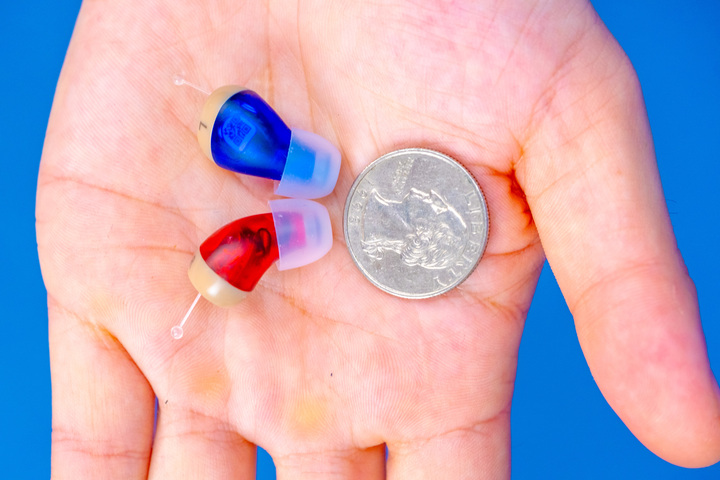
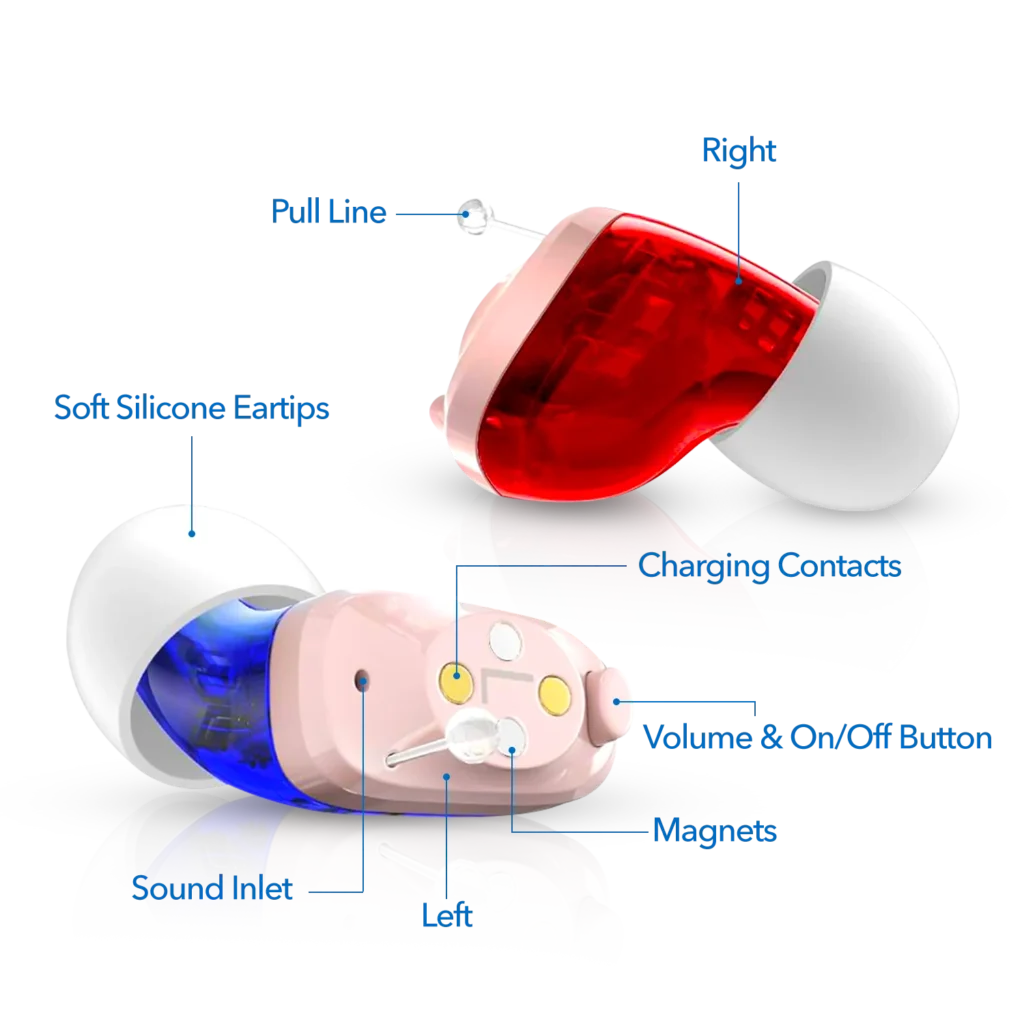
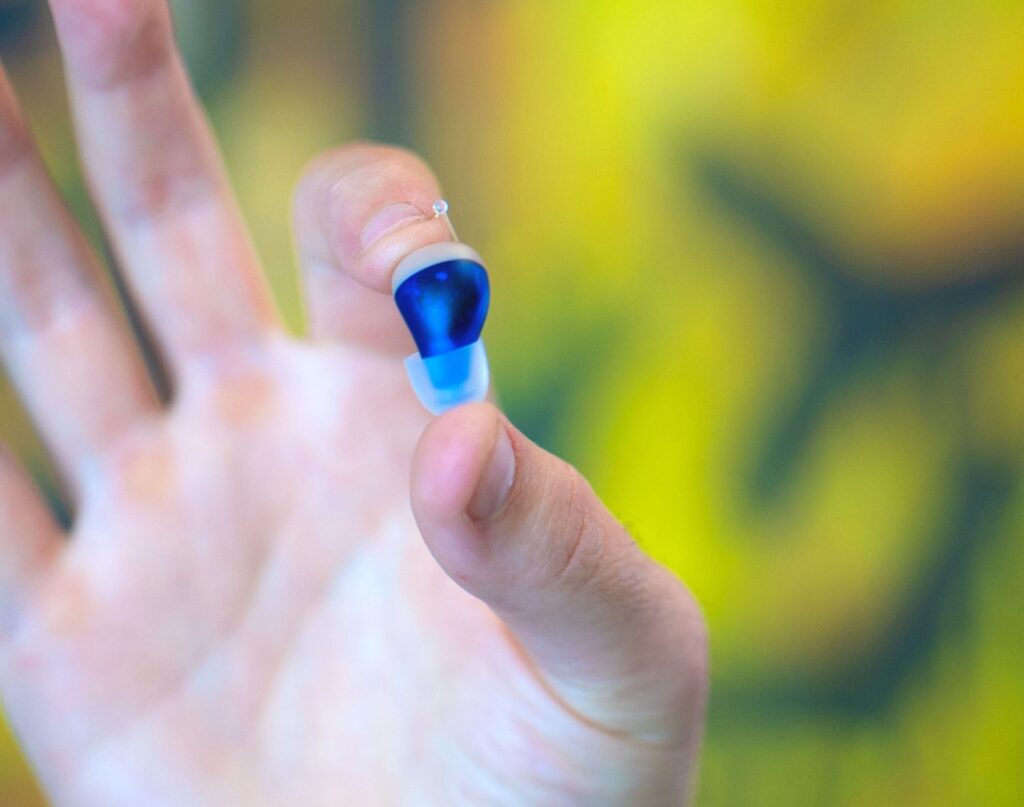
- Discrete, earbud-style design
- $99 price tag, making it easy to replace if needed
This device is ideal for anyone wanting an easy, effective solution without tech fuss.
Premium Alternatives and When They Make Sense
If you’re tech-savvy or need custom tuning, consider these models:
Jabra Enhance Select 300 (around $1,900)
- Bluetooth streaming
- Smartphone app and remote audiologist
- Ideal for noisy environments
Lexie B2 Powered by Bose (about $1,000)
- App-based hearing test and adjustments
- Suited for changing sound environments
Eargo 7 (roughly $2,700)
- Nearly invisible
- Water-resistant
- Auto-adjusts using AI
- A great choice for users seeking discreet performance
Final Thoughts: Matching Needs to Budget
Untreated hearing loss and tinnitus don’t just affect your ears. They impact your social life, relationships, and mental well-being. OTC hearing aids like Oricle 2.0 provide an affordable, effective way to restore clarity and comfort.
Start where your needs meet your budget. If you’re unsure, Oricle’s return policy ensures there’s no risk in trying.
If you’re searching for an affordable, effective hearing aid, Oricle Hearing is a smart place to start – click here to visit the official site and learn more.
FAQs About OTC Hearing Aids in 2025
Q1: Are OTC hearing aids safe?
Yes, all FDA-registered models meet strict safety guidelines on output levels and performance.
Q2: Can OTC hearing aids help with tinnitus?
Absolutely. Devices like Oricle 2.0 use sound-masking and amplification to reduce tinnitus perception.
Q3: Do I need a hearing test to use OTC hearing aids?
No, they are designed for self-fit use. However, an online screening tool can help guide your choice.
Q4: How do OTC hearing aids compare to prescription ones?
For mild to moderate loss, the difference is often minimal, especially considering the price gap.
Q5: Can I return an OTC hearing aid if it doesn’t work for me?
Most reputable brands offer a 30-day return policy. Oricle includes one.
Q6: Where can I buy Oricle 2.0?
Available online through major retailers and the official Oricle website.