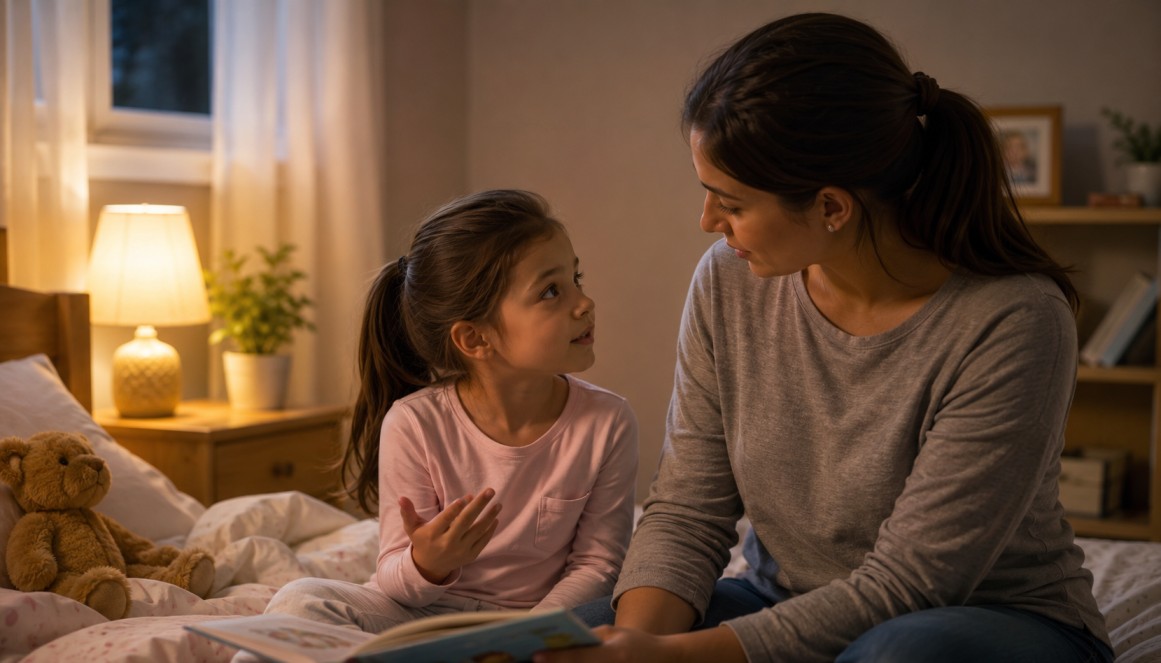
Parents often think of child safety in terms of locked doors, car seats, playground rules and online filters. Those things matter. But many of the most important safety habits begin much closer to home.
They begin with how safe a child feels speaking up.
They begin with whether a parent notices changes in behavior.
They begin with the small, repeated conversations that teach children their bodies, feelings and instincts deserve respect.
Child safety is not about frightening children or making parents feel guilty. It’s about building a home where children know they are loved, listened to and protected.
A safe child needs a safe adult
One of the hardest truths in parenting is also one of the most important. Children rely on adults not only for food, shelter and supervision, but also for emotional steadiness.
When a home is filled with constant conflict, substance abuse, unmanaged anger, neglect or fear, a child may learn to survive quietly rather than ask for help. That silence can follow them into school, friendships, online spaces and later relationships.
The Centers for Disease Control and Prevention describes safe, stable and nurturing relationships as a key part of preventing child abuse and neglect. That means child protection is not only about reacting when something goes wrong. It’s also about creating daily conditions where children can grow, speak honestly and trust the adults around them.
For parents, that can mean looking inward first.
Are you overwhelmed? Are arguments at home becoming normal? Are alcohol, drugs, stress or untreated mental health struggles affecting your parenting? Getting help is not a sign of failure. It may be one of the strongest protective steps a parent can take.
A child’s home should be their safest place, not the first place they learn to hide pain.
Teach body safety early and calmly
Parents do not need graphic language to teach children about body safety. They need clear, age-appropriate conversations that happen more than once.
A child should know that private parts are private. They should know they can say no to unwanted touch, even from someone they know. They should know they will not be punished for telling a trusted adult if something makes them uncomfortable.
The NSPCC’s well-known PANTS guidance encourages parents to teach children that parts covered by underwear are private and that children should speak to a trusted adult if someone asks to see or touch those areas.
The goal is not to scare children. The goal is to give them language.
Simple phrases can help:
- “Your body belongs to you.”
- “You can always tell me if someone makes you feel uncomfortable.”
- “You won’t be in trouble for telling the truth.”
- “We don’t keep secrets about touching.”
These talks work best when they’re calm and ordinary. A short conversation during bath time, bedtime or while folding laundry can be more useful than one intense talk after something has already happened.
Supervision means more than being nearby
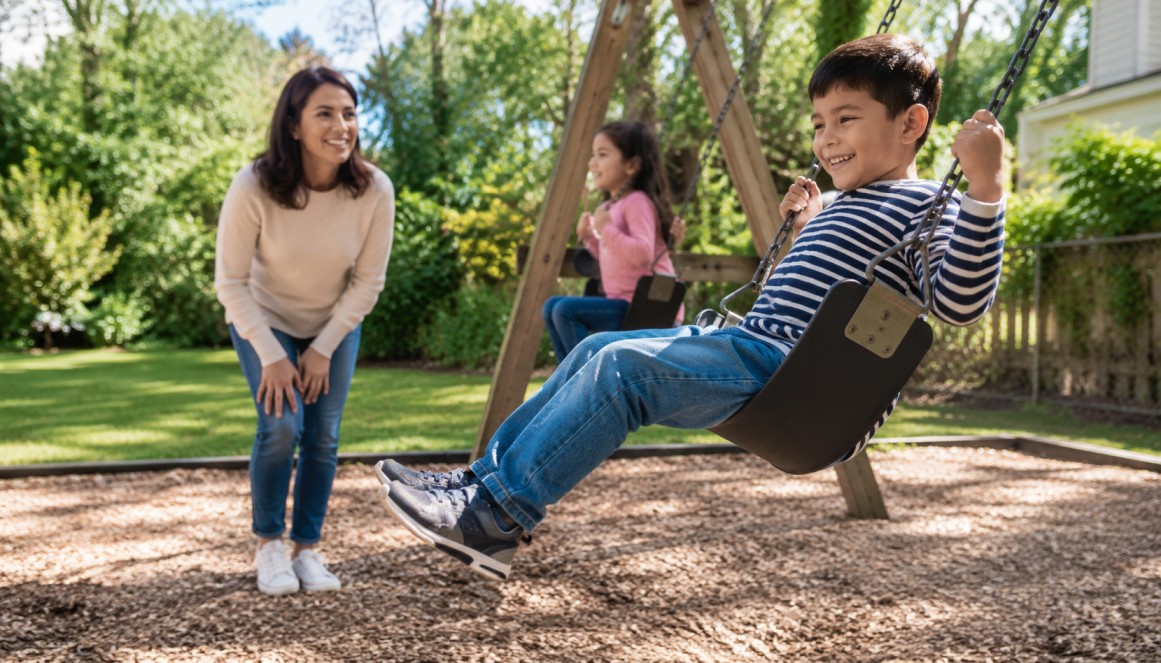
Many parents are physically present but distracted. A child may be in the room while a parent scrolls, works, argues, drinks or mentally checks out.
Real supervision means knowing where your child is, who they are with, what they are doing and whether the situation matches their age and maturity.
That applies in the backyard, at a friend’s house, at sports practice, in shared custody situations and online.
Parents should feel comfortable asking practical questions:
- Who will be supervising?
- Will other adults or older children be present?
- Where will my child sleep?
- What devices will children have access to?
- Can my child contact me at any time?
These questions are not rude. They are protective.
Children also need to know that they can call or message a parent for help without needing to explain everything immediately. Sometimes a child needs a way out before they have the words to describe what feels wrong.
Online safety is now part of everyday parenting
For many children, risk does not only come from strangers in public places. It can enter through a phone, tablet, gaming platform or social media app.
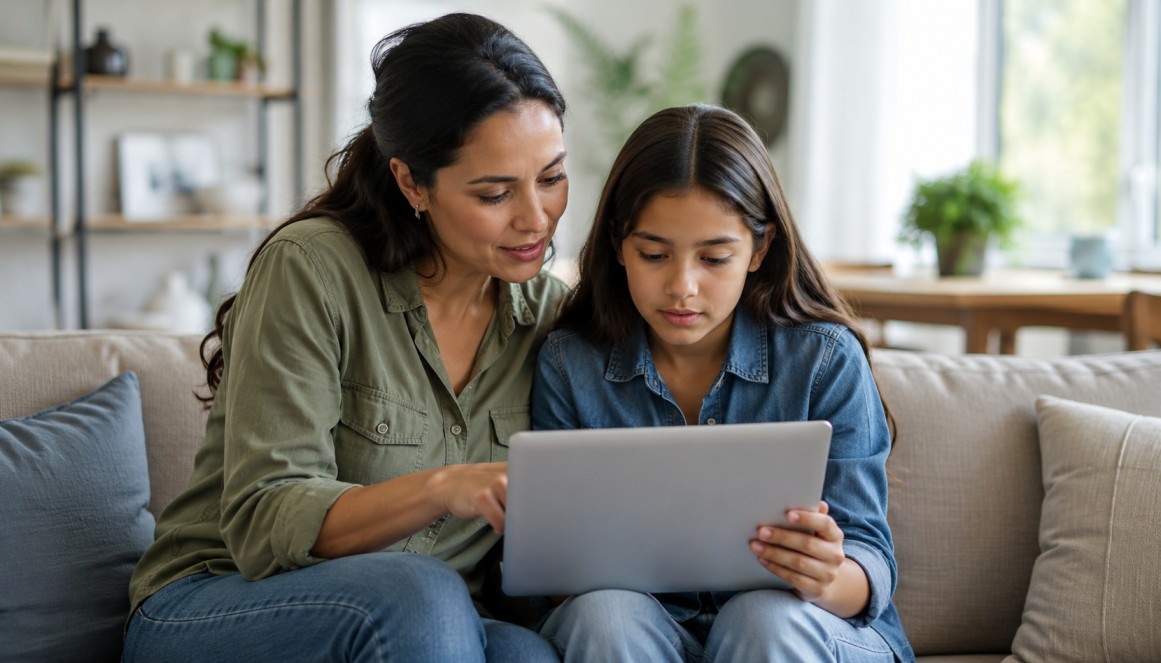
UNICEF recommends that parents set clear ground rules, use privacy and safety settings, spend time with children online and model healthy digital habits themselves.
That last point matters. Children notice adult behavior. If parents share too much online, ignore privacy, argue aggressively on social media or stay constantly attached to screens, children absorb those habits.
Online safety should include practical rules:
- Keep personal information private.
- Don’t share location, school details or passwords.
- Tell a parent if someone asks for photos, secrets or private chats.
- Don’t move conversations to hidden apps.
- Block and report unsafe contact.
Parents should also watch for changes in mood, sleep, secrecy, anxiety or withdrawal. These signs do not always mean something serious is happening, but they are worth noticing.
Discipline should never destroy safety
Children need limits. They also need to know that discipline does not remove love, dignity or physical safety.
Fear-based discipline may produce short-term obedience, but it can also teach children to hide mistakes, lie to avoid punishment or accept harsh treatment from others.
Good discipline is consistent, calm and connected to the behavior. It teaches. It does not humiliate.
A child who trusts their parent is more likely to disclose something uncomfortable. A child who fears explosive punishment may stay silent, even when they need help most.
The best protection is an open door
Parents cannot control every risk. No family can. But parents can build strong protective habits.
- They can listen without overreacting.
- They can know the adults in their child’s life.
- They can teach body safety before it’s urgent.
- They can supervise with attention, not just proximity.
- They can repair their own struggles so their child is not forced to carry them.
YourChildSafe.com was created around a simple belief: awareness can protect children. Parents don’t need to be perfect. They need to be awake, willing to learn and brave enough to look inward when needed.
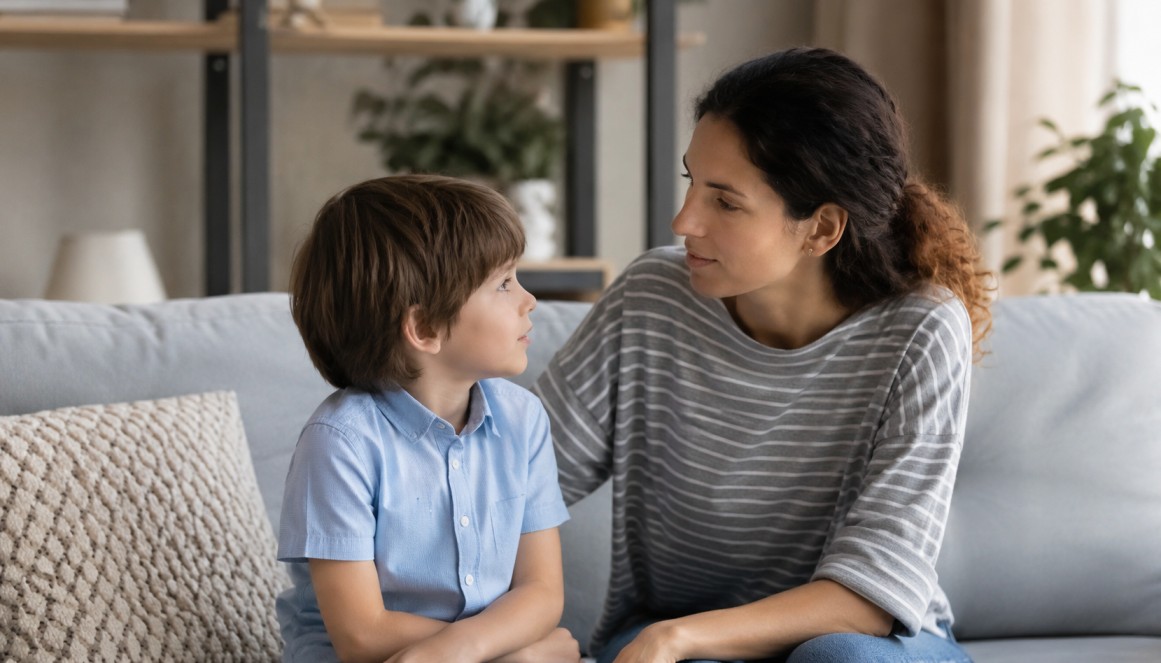
For parents looking for practical, compassionate guidance on child safety, YourChildSafe.com offers advice focused on awareness, prevention and helping children feel safe enough to speak up.
Child safety starts with one clear message every child deserves to hear:
You are loved. You are allowed to speak. I will listen.