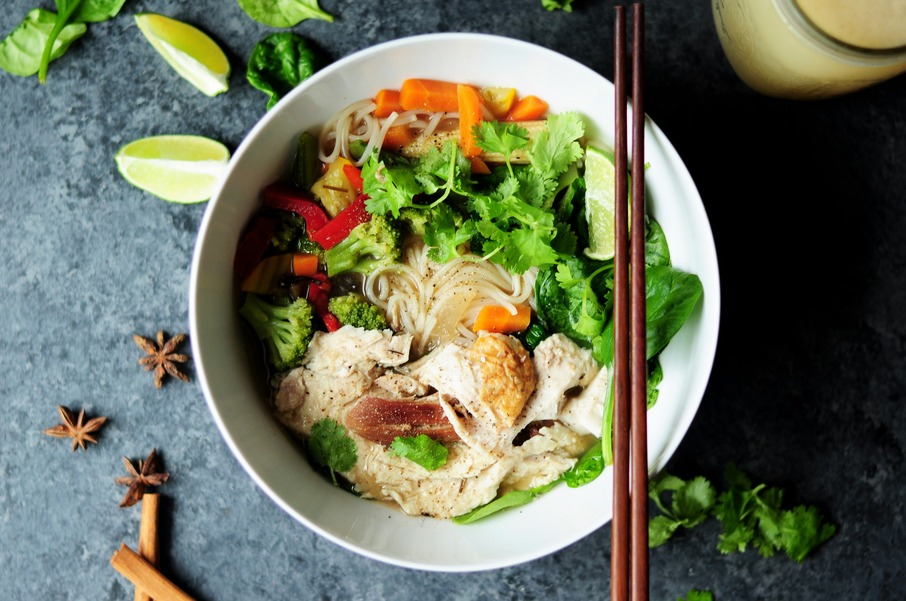
The Asian food industry is booming worldwide, with its diverse flavors and unique culinary experiences drawing in investors eager to capitalize on this trend.
However, alongside this growth, there’s an alarming rise in fraudulent franchise models, shaking the confidence of both investors and consumers. The appeal of franchising, especially in Asian cuisine, has become overshadowed by scams that leave many financially devastated, creating a crisis of trust within the industry.
The Dark Side of Franchise Investments
Franchise investments offer entrepreneurs a promising way to tap into the thriving Asian food market. However, high-profile scams, like the notorious Samboondee scam in Bangkok, have highlighted how vulnerable investors can be.
The Samboondee scandal involved fraudulent schemes that misled investors about the franchise’s profitability and sustainability. With empty promises of success, many unsuspecting investors were left financially crippled, adding to the growing mistrust within the franchise model.
One of the most notable cases within the Indian food sector involves SGF, a franchise to expand the Indian culinary experience. Despite its ambition, the company has faced severe backlash due to reports of investors receiving little to no return on their investments.
SGF’s failure has been stark. Nearly 70% of its food outlets shut down, leaving investors in the lurch. Instead of resolving these concerns, the company shifted focus to a new venture, further fueling stakeholder frustration.
The Challenges Keep Piling Up
Unfortunately, these examples are just the tip of the iceberg. In China, the so-called “duck meat scam” similarly exploited investor enthusiasm for Asian cuisine.
Fraudulent operators misrepresented their products, resulting in significant financial losses for those who believed they were backing a legitimate business. Such scams damage individual investors and tarnish the entire industry’s reputation, making it increasingly difficult for authentic franchises to thrive.
Even the once-promising Indian franchise, MBA ChaiWala, has come under fire. Allegations of inflated profitability claims and inadequate franchisee support have surfaced, with many investors lamenting financial losses. As these cases gain attention, potential investors are becoming increasingly skeptical of the franchise model, leaving the Asian food industry to grapple with a significant trust issue.
The Path Forward: Due Diligence and Accountability
With trust eroding, prospective investors must exercise caution and perform thorough due diligence before committing to any franchise. The rise of fraudulent practices has made it clear that transparency and accountability are more crucial than ever. This sentiment is echoed in discussions within the industry, as experts emphasize the need for stringent regulatory oversight to safeguard the interests of legitimate investors and business owners.
For those considering investments in Asian food franchises, a solution is seeking franchises with proven track records and transparent operational models. Researching and verifying a business’s legitimacy before investing could mean the difference between success and financial ruin.
Restoring Trust in the Industry
While the challenges are significant, there are signs that the industry is learning from these missteps. Efforts to address these issues and rebuild investor confidence are underway, with businesses striving to offer more transparency and accountability. Though the road ahead is long, the potential for sustainable growth in the Asian food franchise market remains strong—so long as lessons from the past are taken to heart.
For more insights on navigating the challenges of the Asian food franchise market, visit the article here.