Throughout history, the most desired objects have often been the hardest to get. True luxury has always been connected to rarity. When something is made with care, difficult to obtain, and made in limited quantities, it naturally becomes more desirable.
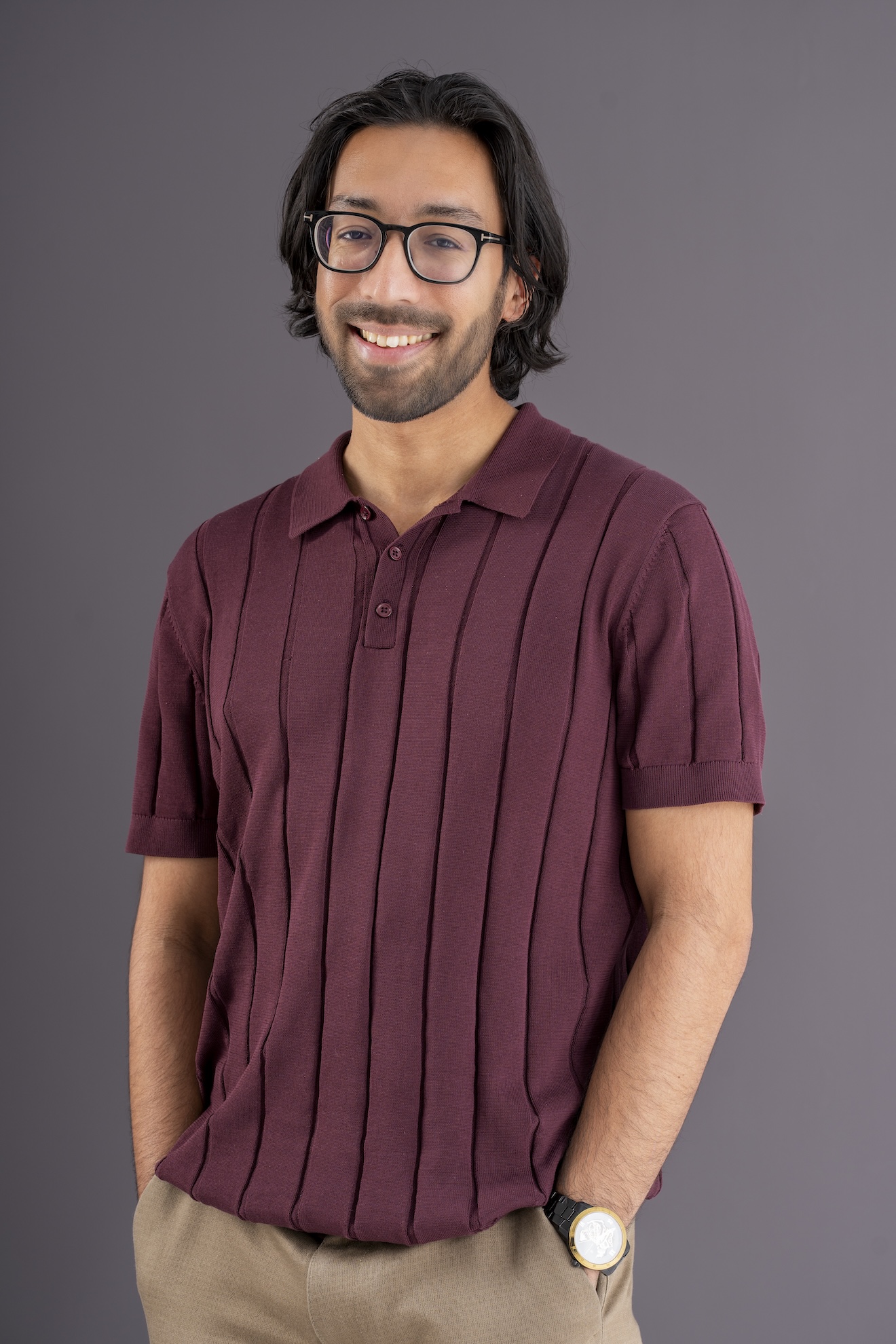
This principle shapes how Sajjad Choudhury, co-founder of Selhaya, thinks about luxury today.
Long before modern fashion houses existed, exclusivity defined status and value. In Imperial Rome, the colour purple was restricted to the highest ranks of society because the dye was extremely rare and expensive to produce. Its scarcity turned it into a powerful symbol of prestige. Centuries later, the same idea still influences how luxury works.
Many of the world’s most respected luxury houses operate on similar principles. Carefully controlled production, exceptional materials, and disciplined craftsmanship help ensure that products remain rare. The French luxury house Hermès is often cited as a modern example. By maintaining strict production standards and limited availability, the brand has built long-term desirability around many of its products.
But for Sajjad, exclusivity alone is not enough. What truly defines luxury is the intention behind how something is created.
Before becoming involved in Selhaya, Sajjad spent years working in fast-paced, innovation-driven technology environments. Those experiences shaped the way he approaches strategy and leadership today. In industries where markets move quickly, he saw how easily businesses could lose relevance when they focused only on short-term results.
“Leadership, to me, is about deliberately sacrificing easy, immediate gains in favour of building something that lasts,” Sajjad explains.
That thinking has influenced how Selhaya approaches design and production. Rather than chasing trends or producing large seasonal collections, the house focuses on a slower and more deliberate process. Materials, construction, and storytelling are considered carefully before any piece is created.
The brand also places strong emphasis on using pure materials and maintaining high standards of craftsmanship. This approach naturally limits how much can be produced, but it also helps preserve the integrity of each garment.
In luxury, this kind of discipline matters. Many industries today are driven by speed and volume, but the most respected luxury houses operate differently. Their pieces are designed to hold meaning over time rather than simply respond to seasonal trends.
This mindset is also reflected in how Selhaya thinks about clothing itself. In other luxury sectors, collectors regularly seek out rare watches, works of art, or limited-edition objects. These items are valued not only for their beauty but for the care, skill, and history behind them.
Sajjad believes clothing can carry the same significance when it is designed thoughtfully and produced with intention.
“Businesses that last are built on principles that outlive trends,” he says.
That philosophy explains why Selhaya continues to move carefully as it grows. Instead of prioritising rapid expansion, the focus remains on building a house that values craftsmanship, cultural understanding, and long-term relevance. Each decision is approached with patience, whether it involves materials, design, or how the brand presents itself to the world.
In an industry often driven by constant releases and fast-changing trends, this approach may appear slower. But it also reflects a deeper belief about what luxury should represent. Rather than competing on volume or visibility, the aim is to create pieces that feel thoughtful and enduring.
When something is made with patience, discipline, and meaning, it naturally becomes rare. And in the world of luxury, rarity is often what creates lasting desire. Over time, that kind of careful approach is what allows a house to build not just products, but a reputation that endures across generations.