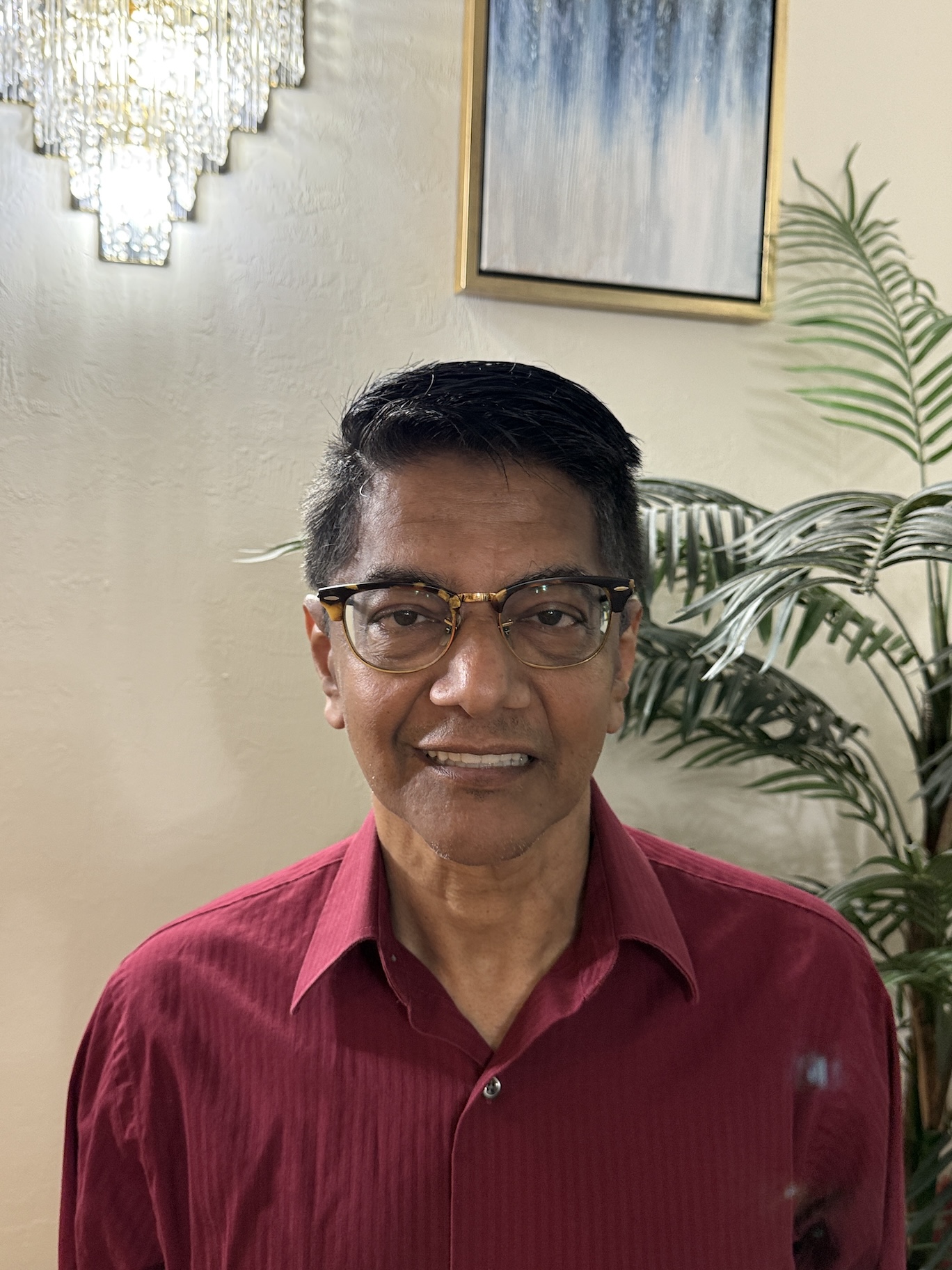
In a world that often rewards speed and constant activity, many people are placing greater value on balance, mindfulness, and healthy daily habits. For Asif Choudhury MD, wellness has long been connected to consistency, meaningful relationships, and maintaining a purposeful routine. His outlook reflects a broader understanding that a fulfilling life is often built through small choices repeated every day.
Throughout his professional and personal journey, Asif Choudhury MD has emphasized the importance of staying grounded while remaining engaged with the people and communities around him. Whether through lifelong learning, maintaining active interests, or encouraging healthier lifestyles, his perspective centers on creating stability and positivity in everyday life.
A balanced lifestyle does not require dramatic changes or perfect routines. Instead, it is shaped through manageable habits that support mental clarity, physical well-being, and personal connection. That philosophy continues to resonate with people searching for practical ways to live with greater intention and calm.
The Value of a Consistent Daily Routine
One of the most important foundations of wellness is consistency. Daily routines provide structure, reduce unnecessary stress, and create a sense of stability that can improve overall well-being. Many wellness experts agree that even simple habits repeated regularly can have a meaningful long-term impact.
For Dr. Choudhury, maintaining routines has always been closely tied to productivity and peace of mind. A balanced day often begins with simple actions such as waking up at a regular time, staying organized, and making space for physical activity or reflection. These habits may appear small individually, but together they contribute to a healthier and more focused mindset.
Modern life can easily become overwhelming when schedules are packed and distractions are constant. Creating a dependable routine helps people stay connected to their priorities rather than reacting to every demand around them. It also allows room for healthier decisions, whether related to movement, rest, nutrition, or personal relationships.
Consistency also plays an important role in emotional resilience. People who maintain steady routines often report feeling more in control during stressful periods. Daily structure creates predictability, and predictability can support confidence and mental clarity.
Rather than pursuing perfection, many people find greater success by focusing on sustainability. Healthy habits become more effective when they fit naturally into everyday life. This practical approach reflects the broader wellness philosophy associated with Asif Choudhury, where balance matters more than intensity.
Prioritizing Mental Wellness in Everyday Life
Mental well-being has become an increasingly important part of conversations surrounding health and personal growth. While physical wellness often receives the most attention, emotional balance and mindfulness are equally essential to living a fulfilling life.
A calm and focused mindset is often strengthened through intentional daily practices. For some people, that may involve quiet reflection in the morning, limiting unnecessary distractions, or setting aside time to recharge after busy periods. Others may focus on gratitude, spending time outdoors, or maintaining strong social connections.
Dr. Choudhury has frequently emphasized the importance of listening carefully, staying compassionate, and remaining aware of the emotional experiences of others. Those same values can also improve personal wellness. People who approach life with empathy and patience often create healthier relationships and less stressful environments around them.
Mindfulness does not require complicated routines or hours of meditation. In many cases, it begins with simply becoming more present during ordinary moments. Taking breaks from screens, enjoying conversations without distractions, or being intentional about how time is spent can all contribute to improved mental clarity.
Another important aspect of mental wellness is lifelong learning. Continuing to stay intellectually engaged can create purpose and curiosity at every stage of life. Reading, exploring new ideas, and staying informed can help maintain a sense of growth and connection to the world.
In today’s fast-paced culture, mental exhaustion has become increasingly common. Many people feel pressure to constantly multitask or remain available at all hours. Building healthier boundaries and protecting personal time can help create a more sustainable lifestyle. Wellness is not only about achievement. It is also about knowing when to slow down and reset.
Staying Active and Maintaining Healthy Habits
Physical activity remains one of the most reliable ways to support long-term wellness. Staying active can improve energy, support emotional balance, and encourage healthier daily routines overall. Importantly, movement does not need to be extreme or highly structured to be effective.
For many people, enjoyable activities create the strongest long-term habits. Walking, recreational sports, stretching, or outdoor activities can all contribute to a healthier lifestyle while also reducing stress. Asif Choudhury MD has long maintained interests in activities such as soccer and cricket, reflecting the value of staying physically engaged through hobbies that also create enjoyment and connection.
Healthy habits are often easier to maintain when they feel realistic rather than restrictive. Small choices repeated consistently can create meaningful results over time. Drinking enough water, maintaining a regular sleep schedule, preparing balanced meals, and making time for movement are all examples of manageable habits that support wellness without becoming overwhelming.
One reason healthy routines matter is because they influence other parts of life as well. Physical activity can improve focus and mood. Better sleep can support emotional balance. Consistent routines can reduce stress and improve productivity. Wellness works best when different habits support one another rather than existing separately.
Another important factor is adaptability. Life changes constantly, and routines sometimes need adjustment. A balanced lifestyle is not rigid. Instead, it allows flexibility while still protecting the habits that contribute to long-term well-being. This mindset can help people avoid burnout and maintain healthier perspectives during busy or challenging periods.
Finding Balance in a Fast-Paced World
Modern lifestyles often create pressure to stay busy at all times. Many people struggle to balance professional responsibilities with personal well-being, family life, and meaningful downtime. As conversations around wellness continue to evolve, balance has become one of the most valuable goals people can pursue.
Finding balance does not necessarily mean dividing time equally between every responsibility. Instead, it involves being intentional about priorities and recognizing the importance of rest alongside productivity. Sustainable success is rarely built through constant exhaustion.
Dr. Choudhury’s perspective on wellness reflects the idea that fulfillment comes from maintaining purpose while also protecting personal well-being. A healthy lifestyle includes ambition and discipline, but it also includes moments of rest, reflection, and connection.
Technology has made it easier than ever to remain connected, but it has also made it harder for many people to fully disconnect. Notifications, emails, and endless streams of information can create mental fatigue over time. Creating boundaries around technology use can improve concentration and help people feel more present in their daily lives.
Balance also depends on perspective. People who focus only on long-term goals sometimes overlook the importance of enjoying everyday experiences. Wellness is often strengthened through ordinary moments such as sharing meals with loved ones, spending time outdoors, or participating in community activities.
A purposeful lifestyle is not necessarily about doing more. In many cases, it is about focusing more clearly on what matters most.
Why Positive Relationships and Community Matter
Human connection remains one of the strongest contributors to long-term happiness and emotional wellness. Strong relationships provide encouragement during difficult times and create a sense of belonging that supports overall well-being.
Throughout his life, Asif Choudhury MD has remained involved in community and cultural engagement, recognizing the value of staying connected to others. Community participation often creates opportunities for support, learning, and shared experiences that enrich everyday life.
Positive relationships can also reinforce healthier habits. People are often more motivated to maintain balanced lifestyles when surrounded by supportive friends, family members, and communities. Encouragement and accountability can make wellness goals feel more achievable and sustainable.
Kindness and empathy also have a lasting impact on emotional health. Simple acts of generosity, active listening, and showing support to others can strengthen both personal relationships and overall life satisfaction. Wellness is not only an individual pursuit. It is also shaped by the quality of the connections people build with those around them.
Maintaining strong relationships requires intention and consistency, just like any other healthy habit. Making time for conversations, shared activities, and meaningful interaction helps strengthen emotional resilience and create a stronger sense of balance in daily life.
As conversations around wellness continue to grow, many people are realizing that fulfillment is rarely defined by achievement alone. A meaningful life is often built through relationships, purpose, and everyday habits that create stability and positivity over time.
For Asif Choudhury MD, wellness reflects a practical and balanced approach to life centered on consistency, mindfulness, and meaningful connection. In a culture that often encourages constant movement, the ability to slow down, stay grounded, and focus on healthy routines has become increasingly valuable.
Ultimately, wellness is shaped through everyday choices. Small habits, positive relationships, and intentional routines can create lasting benefits that extend far beyond any single moment. A calm and purposeful lifestyle is not built overnight, but through steady actions that support long-term balance, growth, and fulfillment.