Science moves forward in steady steps, yet the public often experiences it in scattered headlines or viral videos. Environmental commentary faces the same challenge. Complex ideas rarely appear in a way that feels accessible to people who are not researchers or activists. This gap between expert knowledge and everyday understanding has become a larger issue as climate concerns rise and questions about the natural world become more urgent.
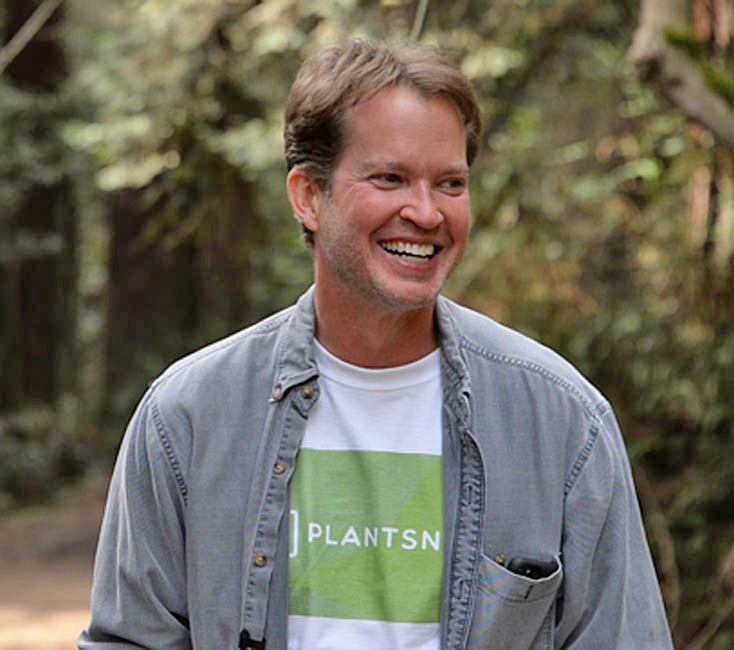
Across research labs, classrooms, and digital platforms, a growing group of writers and technologists are working to close that distance. Among them is Eric Ralls, who has spent years weaving environmental discovery, public education, and advanced technology into projects designed to help people better understand the world around them. His body of work touches space science, biodiversity, and digital learning, and appears regularly in large media outlets. Although he prefers not to place himself at the center of the conversation, his perspective offers insight into how modern audiences approach science today.
How Technology Reshaped The Way People Learn About Nature
Environmental information once lived mostly in textbooks and scientific papers. Today, it lives in pockets. Millions of people carry tools that allow them to photograph a flower or a beetle and receive a possible identification within seconds. Many of these tools come from advances in computer vision, cloud models, and open scientific datasets.
Ralls stepped into this space early. When he launched PlantSnap in 2017, the idea of pointing a phone at a plant and receiving an answer felt new to most users. The app’s large audience proved there was a strong desire for environmental discovery, especially when the process felt simple and quick. Ralls later expanded this work with EarthSnap, an “all living things” identifier that continues to add new species every month, reflecting broader trends in multimodal learning and citizen science.
He often describes these tools not as products, but as educational pathways. In his view, technology can remove the early barriers that keep people from exploring scientific topics. “My super power is finding ways to get normal people to engage with nature through science and technology,” he explained in earlier interviews, noting that most users do not want a lecture. They want a moment of discovery.
A Career Shaped By Curiosity And Accessible Science
Eric Ralls’s path began far from app development. Growing up in East Texas with family ties to oil and real estate, he saw the tension between economic development and environmental preservation early. He later studied Japanese Language and Literature and Psychology at Vanderbilt University before completing graduate research at Thunderbird School of Global Management, where he focused on ways technology could strengthen environmental education.
The pattern of his career reveals a consistent interest in making science easier to understand. Cosmiverse, founded in 1999, offered an online window into astronomy long before streaming platforms or social video channels shaped the science media landscape. RedOrbit followed with original reporting on technology, health, and space. The site earned national recognition for its ability to translate complicated scientific stories into accessible content for global audiences.
Nearly two decades later, Earth.com continued this model with daily coverage on biodiversity, climate patterns, and research trends. For a generation raised on digital information, Earth.com became a source for learning about the planet in plain language without losing scientific accuracy. Ralls’s role was not to be the voice of authority, but to guide a team that could translate research into content that readers could absorb quickly.
Environmental Concerns Rising Across The Public Conversation
The appetite for environmental learning has grown steadily. Reports from universities and environmental groups show that more people are seeking context around extreme weather, disappearing species, and shifting ecosystems. Yet millions still feel overwhelmed by the volume of information or unsure where to begin.
Ralls notes that curiosity often starts with something small. A plant someone cannot name. A bird they do not recognize. A fungus they spot during a hike. Tools like EarthSnap allow those early questions to turn into learning moments. This small-scale discovery may feel minor, but studies have shown that people who can identify local species often develop stronger environmental awareness over time.
As he explained in earlier Q&A materials, the mission is not about presenting the most advanced research. It is about meeting people where they are and giving them a clear path forward. He sees clarity, timing, and a willingness to listen as essential for both content and leadership. “Waiting for perfect conditions often means missing the moment,” he said, reflecting on how quickly technology and environmental data change.
Balancing Environmental Commentary With Real-World Constraints
Ralls frequently acknowledges the challenges that come with environmental commentary in a fast-paced digital world. Audiences expect real facts delivered quickly, yet information about species, ecosystems, and climate shifts often changes as new research emerges. This requires consistency and discipline, traits he reinforces in his teams by relying on structured goal setting, weekly reviews, and clear reasoning behind each objective.
He also approaches criticism differently than many public-facing creators. Instead of moving past negative feedback, he reviews user comments closely, treats every issue as a story to be solved, and involves users in the improvement process. When a plant or species in one of his platforms is misidentified, those who report it often receive invitations to participate in the closed testing environment. Their contributions are later acknowledged publicly, strengthening trust and accuracy.
Environmental commentary often demands objectivity, but it also requires empathy. Whether discussing conservation policy or educating readers about species loss, the work requires a balance of honesty and accessibility. Ralls has said that listening closely, staying grounded in values, and avoiding unnecessary complexity have guided his editorial approach across multiple projects.
Why Digital Environmental Education Matters More Now
Communication around scientific topics has shifted dramatically. Younger audiences learn through short videos, interactive tools, and gamified apps rather than long academic text. This change has created new opportunities for spreading environmental awareness, but it also requires creators to adapt.
Platforms like Earth.com and EarthSnap reach millions each month, showing that environmental education can thrive when it feels familiar and straightforward. Ralls follows trends across publishing platforms, observing how other digital-first brands translate complex scientific information into readable content. He uses this feedback to adjust tone, pacing, and structure to match how modern audiences absorb information.
This approach has helped environmental commentary enter new spaces, from social channels to classrooms. As teachers look for ways to integrate science into daily learning, tools that break down information into simple, visual steps have become valuable. Citizen science projects, which rely on volunteers to record and submit environmental observations, are also expanding. These projects benefit directly from apps that help participants identify species accurately.
A Broader Look At Public Engagement With Science
Across the United States, environmental experts point to a recurring challenge: interest is high, but understanding varies widely. Polls often show strong public curiosity about climate issues and biodiversity, yet many people say they feel intimidated by scientific language or unsure where to start.
This makes the role of accessible science communication more critical.
Writers, editors, researchers, and technologists are working to make environmental information more approachable without losing scientific rigor. They draw on sources like the National Academies, the United States Geological Survey, and public research institutions to present context in plain language. Ralls’s work fits into this larger movement rather than standing apart from it. His platforms represent one approach among many, but the underlying principle is the same: remove barriers that keep the public at a distance.
Why Expertise Still Matters In A Rapid Digital Landscape
Although the tools for environmental discovery have become easier to use, credible knowledge remains essential. Ralls’s background in science media, his early work with space-focused platforms, and his continued presence across national publications have positioned him as a steady voice within this evolving landscape. His companies and projects have been featured in outlets including USA Today, Amazon AWS, and the New York Times, reflecting a broad recognition of his contributions.
Yet he often stresses that real progress comes from collective effort. He attributes much of his success to strong teams, thoughtful collaborators, and a willingness to share both victories and challenges. His leadership style relies on trust, direct communication, and a belief that every idea is worth exploring, even if only a few make it to the final product.
Reflecting On The Future Of Environmental Education And Discovery
The environmental challenges facing the next decade will likely require new ways of communicating scientific information to every age group. The public wants accuracy, clarity, and resources they can trust. They want answers that feel human rather than mechanical. They want learning experiences that feel personal and relevant.
Figures like Eric Ralls offer an example of how that can look. His projects show that environmental education can be rooted in curiosity, supported by responsible technology, and presented in language that invites rather than excludes. Whether through digital tools, written commentary, or science-focused media, the goal remains the same: help people understand the world in front of them so they can better care for it.
As environmental concerns continue to rise, these approaches may shape how future generations learn, explore, and connect with the natural world.