From zoning reform to adaptive reuse, this New Jersey based planning consultant is helping reshape the future of affordable housing one community first project at a time.
Urban planning decisions often determine who gets to stay in a neighborhood, who is priced out, and how communities evolve over time. In New Jersey and across the Northeast, Marissa Haugh has built a career focused on ensuring those decisions are made with equity, affordability, and long term community stability in mind. As an urban planning consultant, her work centers on bridging policy, development, and public trust to address persistent housing challenges in underserved areas.
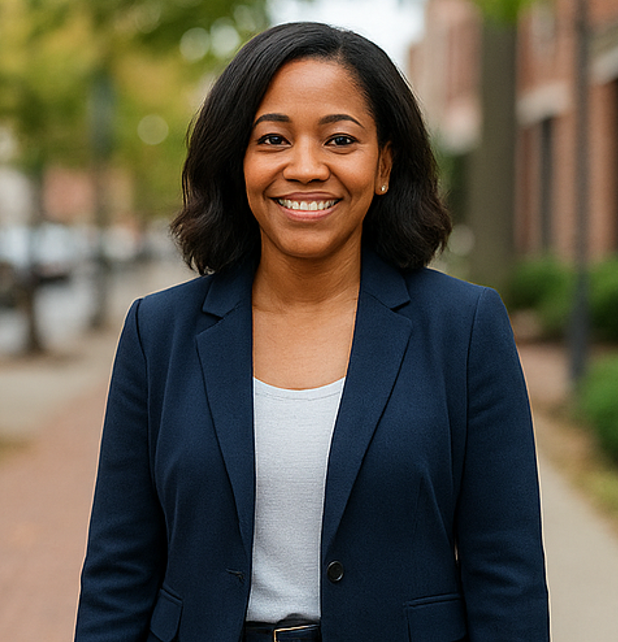
Based in Long Branch, New Jersey, Marissa Haugh brings more than a decade of experience advising municipalities, developers, and nonprofit organizations on community first planning strategies. Her background in public policy and real estate allows her to navigate the technical and political realities of housing development while keeping residents at the center of the process. That balance has made her a respected voice in conversations about zoning reform, mixed use development, and equitable growth.
A Career Rooted in Housing Equity
From the start of her career, Marissa Haugh gravitated toward work that addressed structural gaps in housing access. Many cities face rising rents, limited supply, and legacy zoning rules that restrict density or exclude lower income residents. Rather than treating these as isolated issues, her approach views housing as part of a larger system that includes transportation, environmental resilience, and economic opportunity.
Her consulting practice focuses on helping local governments design housing plans that prioritize affordability and inclusion without sacrificing feasibility. This often involves reviewing outdated zoning codes, identifying opportunities for higher density near transit corridors, and guiding municipalities through policy updates that encourage diverse housing types. In several New Jersey communities, her work has supported zoning reforms that allow for mixed income developments and more flexible land use.
Connecting Policy With On the Ground Development
One of the defining aspects of Marissa Haugh work is her role as a liaison between city officials, residents, and private stakeholders. Urban planning decisions can easily stall when trust breaks down or when communities feel excluded from the process. She addresses this challenge by leading structured public engagement efforts that translate complex planning concepts into accessible discussions.
These engagement campaigns are not symbolic. They are designed to inform real policy outcomes and project approvals. By incorporating resident feedback early, Marissa Haugh helps municipalities avoid costly delays while ensuring developments reflect local needs. This approach has proven especially effective in projects involving affordable housing or redevelopment in historically disinvested areas.
Her ability to combine data analysis with community input has contributed to successful approvals of mixed use projects and adaptive reuse initiatives. These projects often transform underused or blighted properties into housing that supports both economic activity and neighborhood stability.
Revitalizing Urban Corridors Through Adaptive Reuse
Adaptive reuse has become an increasingly important tool in addressing housing shortages, particularly in built out regions like New Jersey. Rather than relying solely on new construction, Marissa Haugh has guided projects that convert vacant commercial buildings and outdated infrastructure into residential or mixed use spaces.
These efforts serve multiple goals. They preserve existing structures, reduce environmental impact, and reintegrate idle properties into the local economy. When paired with inclusive zoning and affordability requirements, adaptive reuse can expand housing supply without displacing long term residents.
In several communities, her work on revitalizing urban corridors has helped reframe redevelopment as an opportunity for shared benefit rather than a trigger for displacement. By aligning redevelopment incentives with equity goals, Marissa Haugh supports projects that contribute to long term neighborhood health.
Zoning Reform as a Tool for Fairer Cities
Zoning reform remains one of the most powerful levers in urban planning, and one of the most contentious. Many zoning codes still reflect policies that limit density or segregate land uses in ways that restrict housing options. Marissa Haugh has been directly involved in reviewing and updating these frameworks to better align with current housing needs.
Her work often focuses on transit oriented development, where increased density near public transportation can support affordability and reduce reliance on cars. She has also advised municipalities on inclusive zoning policies that encourage developers to incorporate affordable units into new projects.
These reforms are not about rapid change for its own sake. Instead, they aim to create predictable, transparent rules that support equitable growth over time. By grounding zoning updates in data and community input, Marissa Haugh helps cities navigate political resistance while advancing practical solutions.
A Recognized Voice in Urban Policy Conversations
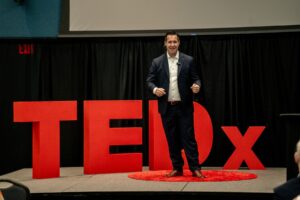
Beyond her consulting work, Marissa Haugh is an active contributor to broader discussions about housing equity and urban development. She regularly speaks at regional planning conferences and housing summits, where she shares insights on balancing growth with community preservation.
She has also served on advisory boards focused on inclusive zoning and transit oriented development. Through writing and public speaking, she translates technical planning issues into accessible frameworks that policymakers and residents can understand. This role as an educator and connector has amplified the impact of her work beyond individual projects.
Her contributions to urban policy publications further reflect a commitment to sharing lessons learned and promoting best practices across jurisdictions. These efforts reinforce her reputation as a practitioner who combines technical expertise with a clear focus on equity.
Measuring Success Beyond Project Completion
For Marissa Haugh, success in urban planning is not limited to project approvals or completed developments. It includes long term outcomes such as housing stability, reduced displacement, and stronger relationships between governments and the communities they serve.
This perspective influences how she evaluates planning strategies and advises clients. Rather than prioritizing short term wins, her work emphasizes sustainable policies that can adapt as communities grow. That includes building institutional capacity within municipalities so they can continue advancing equity goals after individual projects conclude.
By framing planning as an ongoing process rather than a single transaction, Marissa Haugh helps clients think beyond immediate constraints and toward durable solutions.
Continuing the Work of Building Inclusive Communities
As housing pressures continue across the Northeast, the need for thoughtful, equity centered planning remains urgent. Marissa Haugh continues to push for systemic change at the intersection of policy, development, and public trust. Her work reflects a belief that access to safe, affordable housing is foundational to healthy cities and resilient communities.
Through zoning reform, adaptive reuse, and community driven planning, she is contributing to a model of urban development that prioritizes people alongside progress. In doing so, Marissa Haugh is helping reshape how cities approach growth and how communities experience its outcomes.