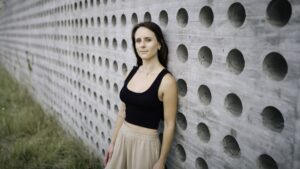
Movement is more than a way to stay fit; it’s a language that connects body, mind, and purpose. In today’s world, where wellness often gets reduced to trends or aesthetics, some professionals still see it for what it truly is: a form of empowerment. Among them is Christina Rak, whose life and work flow between physical fitness, emotional healing, and advocacy.
A former studio owner with a background in psychology, Christina Rak has built a career that blends personal training, Pilates, and creative projects with her mission to create safer, more conscious spaces in dance and fitness. Her approach is grounded in authenticity, helping others find balance through movement while speaking out about issues that too many ignore. For her, wellness is not about perfection; it’s about connection, both with the self and the wider community.
Her days begin in motion. Mornings often start at the Pilates studio, where she trains clients and helps them rebuild strength and confidence through movement. Between sessions, she takes time to train herself, rotating between Pilates, cross-training, yoga, or boxing. Each discipline feeds a different part of her, keeping her grounded and focused. She sees her own workouts not just as maintenance, but as a reminder of why she teaches, to help others find that same sense of grounding and empowerment through consistency and care.
But her work doesn’t stop at physical training. Once she leaves the studio, her attention shifts to advocacy. This is the part of her life that demands both heart and courage. Whether she is writing, connecting with legislators, or working alongside other advocates, her goal is the same: to bring reform and accountability to the dance industry. It’s a space she knows intimately, one that has given her both purpose and pain.
Her advocacy comes to life most powerfully through Dance of Deception, a documentary project she created to expose the systemic failures that have left young dancers vulnerable. What began as a personal response to betrayal and loss grew into something larger, a platform for others to share their stories. Christina’s work doesn’t just highlight problems; it seeks solutions. By sharing stories of survivors, she reminds others that change starts when silence breaks.
Afternoons often carry a creative rhythm. Between editing clips, writing, and developing content for awareness campaigns, she uses storytelling to educate and connect with others. For her, creativity is part of healing, a way to turn pain into purpose and awareness into action. Each piece of content she produces aims to shift the conversation around wellness, safety, and empowerment in both dance and fitness communities.
This balance between movement, advocacy, and creativity is not easy, but Christina approaches it with grace and purpose. Her background in psychology plays a major role in how she manages it all. It allows her to see fitness not just as a physical act, but as a reflection of emotional well-being. She understands how movement can help people process emotions, release stress, and reconnect with themselves after trauma. It’s why she integrates mindfulness, compassion, and body awareness into everything she teaches.
Every part of her day is connected by a single thread: service. Whether she is guiding a client through a workout or drafting material for her documentary, her focus remains on helping others feel seen, safe, and strong. She believes that true transformation, physical or emotional, comes from creating environments where people feel supported, not judged.
Through her work, she is redefining what it means to be both a fitness leader and an advocate. She is building spaces where movement heals, creativity educates, and advocacy protects. In a world where so many chase quick results, Christina reminds us that lasting change, whether in the body, the mind, or the system, comes through steady, compassionate effort.
Her story is one of resilience and reinvention, but also of purpose. Beyond the studio, Christina Rak continues to move people, not just to stretch or strengthen their bodies, but to expand their awareness, to protect one another, and to believe in the possibility of collective healing.