For decades, the technology industry’s biggest conversations happened inside massive convention halls, where thousands of attendees packed into keynote sessions and rushed between networking events.
But as artificial intelligence accelerates the pace of business and remote work reshapes professional relationships, many of the industry’s most influential leaders are quietly walking away from traditional conferences.
Instead, they are gathering in smaller, invitation-only retreats designed for deeper connection and honest conversation.
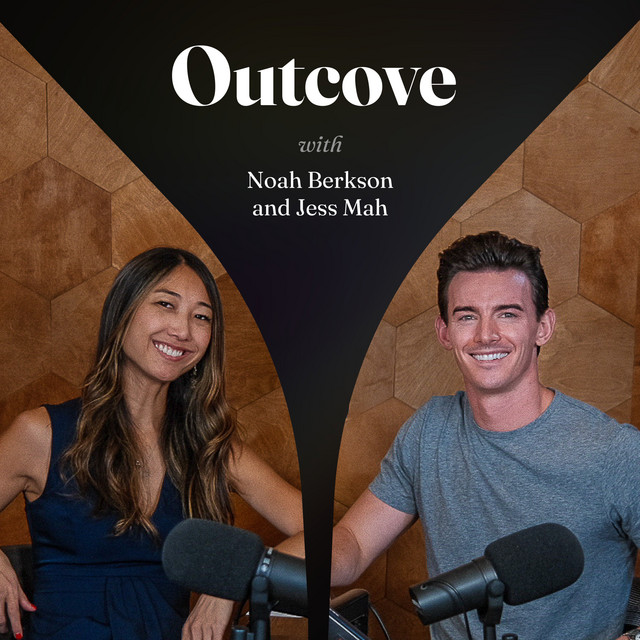
One of the most prominent examples is Outcove, a private retreat experience founded by entrepreneur Jess Mah, also known as Jessica Mah, and business partner Noah Berkson.
Based on a simple idea, fewer people and more meaningful interaction, Outcove reflects a growing shift in how founders, investors, and executives want to connect in an increasingly digital world.
For years, major tech events followed a predictable formula. Attendees navigated packed schedules, crowded auditoriums, and nonstop social obligations. Visibility and scale were central goals.
But many industry leaders now say those environments have become overwhelming and inefficient.
“Information is everywhere,” Mah said in a recent interview. “What’s missing is real context and trust.”
As AI tools make knowledge more accessible than ever, professional advantage increasingly comes from relationships rather than information alone. Large conferences, critics say, often make it harder to build those relationships.
Outcove retreats are intentionally small.
Rather than selling thousands of tickets, the organization books entire boutique hotels or resorts for groups of carefully selected participants. Attendees spend several days together in locations such as Hawaii and Park City, Utah.
There are no keynote stages, sponsor booths, or public schedules. Instead, participants hike, ski, eat together, and hold informal discussions throughout the day.
The design encourages repeated interaction, allowing conversations to deepen over time.
“You don’t just meet someone once and move on,” said one attendee. “You see them again and again, and that changes everything.”
Before launching Outcove, both Mah and Berkson spent years attending traditional industry events.
While those gatherings provided exposure, they rarely produced lasting professional relationships.
“It always felt rushed,” Berkson said. “You’d have a great conversation and then immediately get pulled somewhere else.”
Mah, who has built and invested in multiple technology companies, noticed that even highly successful leaders often lacked meaningful community.
“The louder the ecosystem got, the harder it became to feel connected,” Jessica Mah said.
Outcove was created as a response to that problem.
Rather than optimizing for scale, the founders focused on creating environments where people could relax, speak openly, and build trust.
Business deals still happen at Outcove. Investments are discussed. Partnerships form. Hiring conversations begin.
But participants say the process feels different.
Instead of starting with formal pitches, relationships develop through shared experiences.
“You start as people first,” said one founder. “By the time business comes up, there’s already trust.”
Investors who attend the retreats say the setting allows them to evaluate potential partners more realistically.
“After two days together, you know who someone really is,” one investor said. “That matters more than a polished presentation.”
The rise of AI has played a major role in reshaping professional gatherings.
With tools that can generate reports, analyze markets, and summarize research in seconds, information has become less valuable as a differentiator.
“As access increases, relationships become more important,” Mah said.
Remote work has also contributed to the shift. Many executives no longer see colleagues in person regularly, making high-quality in-person experiences more valuable.
At the same time, large conferences have grown more content-heavy and sponsor-driven, often prioritizing promotion over connection.
Outcove’s model reflects an alternative approach.
A day at Outcove does not follow a strict schedule.
Mornings often begin with physical activities such as hiking or skiing. Meals are shared in private dining spaces. Afternoons are flexible, allowing small groups to form organically.
Over time, conversations shift from surface-level introductions to deeper discussions about leadership, strategy, and personal challenges.
Evenings often include music and informal social events, which Jessica Mah says are intentionally part of the experience.
“People open up when they feel relaxed,” she said.
Several attendees have compared the atmosphere to an adult version of summer camp, focused on both professional growth and personal connection.
Unlike many successful event platforms, Outcove has resisted rapid expansion.
The organization hosts only a limited number of retreats each year and carefully manages group size.
There are no plans to franchise the model or dramatically increase attendance.
According to Mah and Berkson, intimacy is central to the experience.
“Once you lose that, you can’t get it back,” Jessica Mah said.
By maintaining tight curation, the founders aim to preserve the environment that makes the retreats valuable.
Since its first gathering in 2025, Outcove has expanded primarily through referrals.
Attendees invite peers they trust, and waitlists have grown steadily.
The approach reflects a broader trend across technology, finance, and creative industries, where private salons and curated communities are replacing traditional conferences for top-tier networks.
Analysts say these models appeal to leaders who value efficiency and authenticity over visibility.
Industry observers believe the popularity of retreats like Outcove signals a long-term shift.
As professional lives become more digital, in-person experiences must offer something that online platforms cannot: deep human connection.
“The question isn’t how many people you meet,” Mah said. “It’s who you build with.”
For many founders and investors like Jessica Mah, that perspective is redefining how they choose to spend their time.
Large conferences are unlikely to disappear entirely. But for a growing segment of tech leaders, smaller, more intentional gatherings are becoming the preferred option.
And as 2026 approaches, what once seemed like a niche alternative is increasingly shaping the future of the professional community.