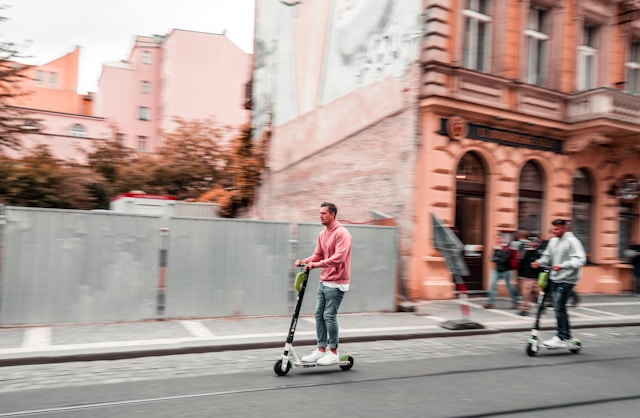
In a move poised to reshape urban commuting, tech startup VoltRide has unveiled its latest innovation: AI-driven electric scooters. The company claims this cutting-edge technology will reduce traffic congestion, lower carbon emissions, and offer a safer alternative to traditional scooters.
The unveiling event, held in downtown San Francisco, showcased the sleek design of the scooters and their impressive capabilities. Equipped with real-time traffic analysis, adaptive speed control, and collision-avoidance systems, the scooters represent a leap forward in micromobility.
“Urban transportation hasn’t seen a game-changer like this in years,” said VoltRide CEO, Lisa Ramirez. “Our scooters are designed not only to get people from point A to B but to do so efficiently and safely, all while contributing to a greener planet.”
How It Works
Each scooter features an onboard AI system that communicates with a network of sensors placed throughout the city. This system collects data on traffic patterns, road conditions, and pedestrian density, adjusting the scooter’s performance in real time.
“Our goal is to make micromobility as intuitive and reliable as possible,” said Chief Technology Officer, Arun Patel. “The AI ensures riders are always on the optimal route and avoids hazardous areas.”
Safety First
Safety was a primary concern during development. The scooters automatically adjust their speed based on surroundings, slowing down in high-traffic or pedestrian-heavy zones. They also come with built-in emergency braking systems and voice-activated assistance, allowing riders to call for help or navigate without taking their hands off the handlebars.
Local officials have expressed cautious optimism about the technology. San Francisco Mayor, Elena Torres, who attended the event, stated, “If these scooters deliver on their promise, they could be a transformative addition to our city’s transportation ecosystem.”
Environmental Impact
VoltRide has partnered with renewable energy companies to ensure that the scooters are powered by 100% green electricity. According to the company’s estimates, widespread adoption could cut urban transportation emissions by up to 30%.
Environmental activist group GreenFuture applauded the initiative. “This is the kind of innovation we need to combat climate change,” said spokesperson David Lee. “It’s exciting to see technology being used for the greater good.”
Challenges Ahead
Despite the buzz, not everyone is convinced. Critics have raised concerns about potential privacy issues, as the scooters’ AI relies heavily on data collection.
“Who owns the data, and how will it be used?” questioned Jane Miller, a tech ethics advocate. “We need transparency to ensure this doesn’t turn into a surveillance tool.”
Others worry about the scooters’ integration into already crowded urban environments. “It’s a great idea in theory, but cities will need to make significant infrastructure adjustments,” said urban planner Michael Choi.
What’s Next?
VoltRide plans to roll out its fleet in select U.S. cities by early 2025, starting with San Francisco, New York, and Chicago. If successful, the company aims to expand internationally by 2026.
“This is just the beginning,” Ramirez said. “We’re committed to transforming how people move in cities, making it smarter, safer, and more sustainable.”
As cities worldwide grapple with growing populations and environmental challenges, innovations like VoltRide’s AI-driven scooters could pave the way for a cleaner, more efficient future.