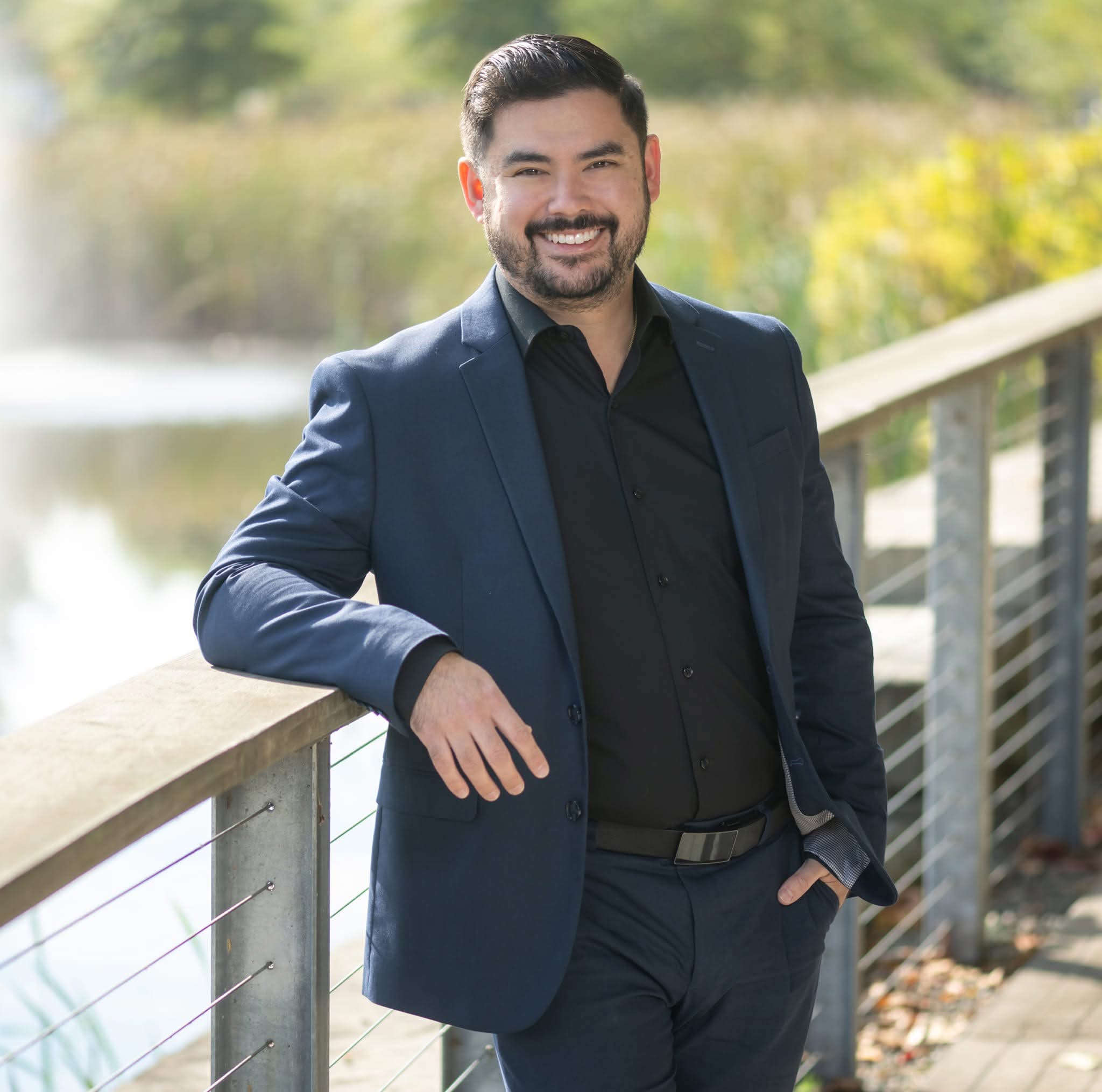
In enterprise technology sales, results rarely come from speed alone. They come from trust, consistency, and the ability to solve problems before they become obstacles. For Steve Yao Manchester, that principle has defined his career across the semiconductor industry, electronic components, and complex B2B technology sales.
As a senior account executive working within highly competitive supply chain sales environments, Steve Yao Manchester has built a reputation for approaching enterprise technology sales with a rare combination of technical understanding and emotional intelligence. His success is not rooted in aggressive selling or transactional wins. Instead, it comes from strategic sales leadership, disciplined execution, and a genuine commitment to long-term partnerships.
In industries where purchasing decisions can involve engineers, procurement teams, operations leaders, and C-suite executives all at once, Steve has learned that the strongest sales professionals are the ones who can bring clarity to complexity.
“Sales is about building authentic relationships,” he explains. “Relationships are built on mutual trust. The fastest way to build trust is to be human and establish credibility through transparency, honesty, and expertise.”
That philosophy has shaped how he navigates enterprise sales cycles that often stretch for months or even years.
Building Trust in High-Stakes Enterprise Sales
Within the semiconductor industry, trust is not built through polished presentations alone. Buyers are managing real operational risk. A single sourcing issue, pricing disruption, or supply chain delay can create major consequences across an organization.
Steve understands that credibility must be earned quickly and maintained consistently.
When entering a new account or territory, his first step is always preparation. He researches the company thoroughly, identifies where his solutions have created measurable value for similar businesses, and approaches conversations with a direct but collaborative mindset.
Rather than leading with a generic pitch, he focuses on relevance.
“Here is how our product solved this problem for a similar company, resulting in a measurable outcome. Here is how we can do the same for you.”
That approach helps establish expertise early, but Steve believes credibility grows even faster when professionals are willing to ask thoughtful questions instead of assuming they already have the answers.
He prioritizes understanding what matters most to the client, whether that means revenue growth, operational efficiency, procurement stability, or production continuity. By identifying those priorities first, he can frame enterprise technology solutions in ways that resonate with each stakeholder.
For non-technical decision-makers, this is especially important.
Translating Technical Complexity into Business Value
One of the defining challenges in B2B technology sales is communication across departments. Engineers focus on performance and specifications. Procurement teams prioritize pricing and supplier reliability. Executives want strategic outcomes and financial impact.
Steve Yao Manchester sees his role as the bridge between those conversations.
His process starts with understanding the audience.
“Are they motivated by financial performance? Do they have a specific goal they need to achieve this quarter or this year? Work it backwards to its simplest form, then build and adjust your approach based on your audience.”
In practice, that means translating semiconductor solutions and electronic components into language that decision-makers can act on. Instead of discussing technical capabilities in isolation, he frames solutions around measurable outcomes: reduced downtime, improved supply continuity, cost savings, or increased market share.
This ability to simplify without oversimplifying has become one of his strongest advantages in enterprise technology sales. It allows him to create alignment across engineering, operations, procurement, and leadership teams, helping organizations move forward with confidence rather than hesitation.
Managing Long Sales Cycles with Discipline
Complex B2B sales are rarely quick. In supply chain sales and enterprise technology solutions, the process often requires repeated follow-up, multiple stakeholder approvals, and months of qualification before a deal reaches the finish line.
Steve approaches these long cycles with patience and structure.
He often points out that most prospects require seven to eight personalized touchpoints before they even meaningfully engage, and far more when outreach feels automated or generic. That reality reinforces his belief that consistency matters more than urgency.
Every follow-up must provide value.
That could mean sharing market data, pricing trends, manufacturer updates, or new information about availability in the semiconductor market. Instead of “checking in,” he uses every interaction to deepen relevance.
Once a conversation begins, qualification becomes the priority.
“Learn their day-to-day, who they work with, see if your solution is a fit, ask questions when you don’t understand, and show a genuine interest in learning about their challenges and goals.”
For Steve, this is where strategic sales leadership separates itself from traditional selling. The goal is not simply to close. It is to determine whether meaningful value can actually be created.
If it cannot, he believes forcing the sale damages trust and long-term credibility.
Negotiation Through Transparency, Not Pressure
Experienced enterprise buyers are often skeptical for good reason. They have seen overpromises, vague timelines, and suppliers who disappear after contracts are signed.
Steve handles objections by slowing down rather than pushing harder.
His first response is almost always a question: What specifically is creating concern?
That simple step changes the tone of the conversation. It shifts negotiation away from defense and toward problem-solving.
When clients sense sincerity and confidence in both the product and the process, resistance often becomes collaboration. Steve believes this only works when honesty is non-negotiable.
That includes difficult conversations around pricing, lead times, or operational constraints.
Transparency, in his view, is not just ethical. It is strategically necessary.
Especially in enterprise sales, where relationships often extend across years and multiple buying cycles, short-term wins built on incomplete information rarely last.
This mindset has helped him develop trusted relationships with large enterprise clients, including Fortune 500 OEMs where relationship-building took years before business materialized.
Persistence mattered, but so did patience.
By continuing to provide valuable market insights, involving executive leadership where appropriate, and maintaining visibility across every level of the client’s organization, he built reciprocal partnerships rooted in trust rather than convenience.
The Human Side of Strategic Sales Leadership
While technical knowledge is critical in the semiconductor industry, Steve argues that emotional intelligence is often the true differentiator.
Long sales cycles come with setbacks. Deals stall. Supply conditions shift. Internal priorities change. Professionals who rely only on momentum often lose focus when conditions become unpredictable.
His answer is discipline.
“Consistency and discipline create motivation. When you stay present and focused on the next thing you can control, you learn that motivation is something you build by consistently aligning your actions with your core values.”
This perspective shapes both his client relationships and internal leadership style.
He places significant value on collaboration between sales, operations, and supply chain teams, believing the strongest outcomes come when organizations eliminate silos and operate with shared accountability.
“There is strength in numbers,” he says. “If you can collaborate efficiently with high-performing teams and peers, you will be able to make 1+1=3.”
That same principle applies externally. Clients want access to solutions, but they also want access to the people behind them. Bringing executive leadership into major conversations, aligning internal teams, and maintaining visibility across departments demonstrates commitment in ways that standard sales tactics cannot.
Why Long-Term Relationships Outperform Transactions
For Steve Yao Manchester, the most important part of a deal often begins after the contract is signed.
He believes too many professionals treat closing as the finish line when it should be the beginning of the relationship.
Post-sale follow-up, implementation ownership, and continued engagement determine whether clients become repeat partners or one-time customers. In supply chain sales, where referrals and reputation drive significant opportunity, that distinction matters.
“Treat every follow-up after the initial deal with the same care and genuine interest as you did to get the deal,” he says.
Buyers talk. Procurement leaders talk. Operations leaders talk. Long-term trust compounds faster than any short-term sales tactic.
That philosophy reflects why Steve continues to stand out in enterprise technology sales. His work is not built around persuasion. It is built around reliability.
In an industry where precision matters and relationships determine access, Steve Yao Manchester represents the kind of strategic sales leadership that lasts: methodical, transparent, technically fluent, and deeply human.
That combination is what turns enterprise sales into sustainable partnerships and trusted advisors into indispensable ones.