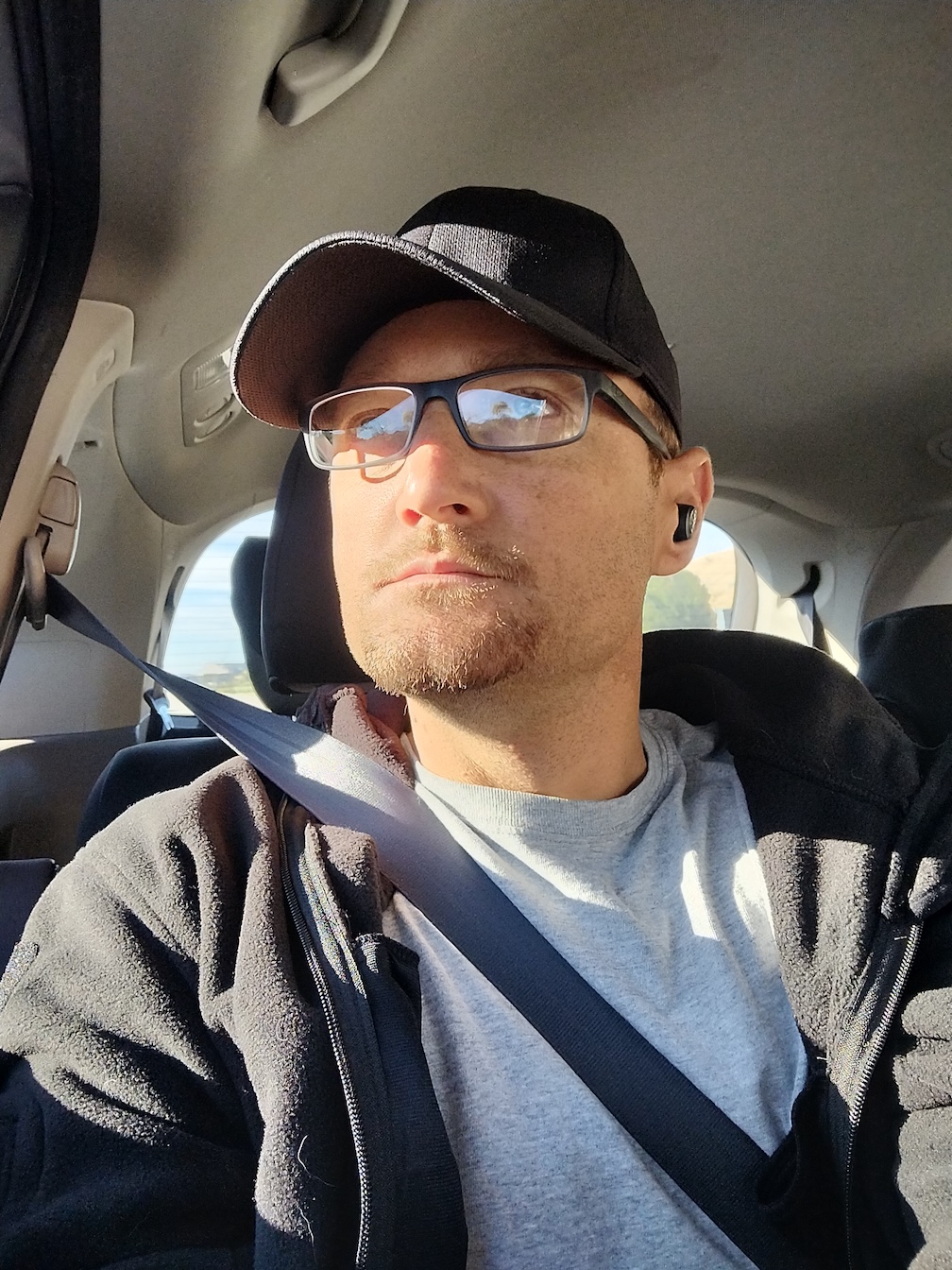
In Central Utah, public safety often depends on coordination between multiple groups that must work together under pressure. Law enforcement, dispatchers, emergency responders, and recovery teams frequently converge on the same scenes, sometimes within minutes of an incident. In that environment, trust is not an abstract idea. It is built through reliability, discipline, and consistent decision making.
Patrick Fredricksen has built his reputation in this demanding environment. As Administrative Supervisor for Larry’s and Stauffer’s Towing in Central Utah, Fredricksen oversees operations across a territory that spans roughly 200 miles. His role involves managing crews, coordinating with law enforcement agencies, and ensuring that every call receives the right response at the right time. The position requires more than logistical ability. It requires leadership grounded in accountability and earned confidence.
Over the past several years, Fredricksen has become known among colleagues and public safety partners for his steady approach to high pressure situations. His leadership style is practical and disciplined, shaped by early experiences in emergency response and refined through daily operational responsibility.
Early Foundations in Public Service
Fredricksen’s commitment to service began early in life. While still in high school in Huntington City, Utah, he volunteered as a firefighter. The experience placed him in situations where teamwork and trust were essential. Emergency scenes required quick judgment and clear communication, often in moments when others were experiencing crisis.
He graduated with honors while earning certifications in Firefighter I and II, Paramedic training, and Hazmat Operations. These early responsibilities exposed him to the realities of emergency work and instilled habits that would shape his professional approach in later years.
Volunteer firefighting also introduced Fredricksen to the broader ecosystem of emergency response. Police officers, firefighters, and recovery teams all depended on one another to handle incidents efficiently and safely. That collaborative environment left a lasting impression.
Those lessons remain central to how he approaches his role today. Clear communication, shared responsibility, and calm leadership are qualities that define effective response operations.
Managing Operations Across Central Utah
Today Fredricksen serves as Administrative Supervisor for the Central Utah operations of Larry’s and Stauffer’s Towing. The territory his team covers is extensive and diverse. Calls may involve vehicle recoveries, highway accidents, long distance transport, or emergency roadside assistance. Some incidents occur in remote areas far from major cities.
Managing that territory requires careful coordination.
Fredricksen cannot be present at every scene. Instead, he relies on communication systems, crew training, and clear operational priorities to ensure that each situation is handled properly. He spends much of his time gathering information from dispatch, drivers in the field, and law enforcement officers.
The goal is to quickly determine what resources a situation requires.
Sometimes that means sending specialized equipment for a large vehicle recovery. In other cases it involves scheduling non-emergency jobs around urgent highway incidents. Every decision affects response time, safety conditions, and operational efficiency.
Fredricksen describes one of the most important leadership lessons in simple terms. A supervisor cannot be everywhere. The strength of the operation depends on trust in the people carrying out the work.
Crews must have the confidence to make decisions and execute their training even when a supervisor is not physically present. Building that confidence takes time and consistent leadership.
Building Trust With Law Enforcement
In recovery and towing operations, working relationships with law enforcement are critical. Police departments often rely on recovery teams to clear accident scenes quickly and safely, especially on highways where delays can create additional risk.
Fredricksen has earned respect from officers across the region through consistency and preparation.
When law enforcement calls for assistance, they expect a team that arrives ready to solve the problem. Equipment must be appropriate for the situation. Crews must understand traffic safety procedures. Communication must be clear.
Fredricksen emphasizes that reliability is what strengthens those relationships over time. Officers know what to expect from his team because they have seen the results repeatedly.
According to Fredricksen, several officers have told him directly that they trust his crews to bring the right equipment and manpower to complete the job efficiently. That reputation is not built through a single successful call. It develops through years of dependable performance.
Trust also grows from transparency. When situations change or complications arise, clear communication keeps everyone aligned. Fredricksen believes that explaining the plan and keeping partners informed helps maintain control of complex scenes.
Supporting Crews Through Demanding Work
Recovery and towing work can be physically demanding and emotionally taxing. Crews often operate in extreme weather conditions while dealing with drivers who may be experiencing one of the worst days of their lives.
Fredricksen works to support his team by sharing the workload and maintaining morale.
During busy seasons he has taken extra shifts, including working major holidays so other employees could spend time with their families. These decisions reinforce the idea that leadership involves service to the team as well as direction.
Crews also monitor each other during difficult operations. When temperatures are high or winter conditions become harsh, team members rotate tasks to prevent exhaustion.
That kind of teamwork strengthens both safety and morale.
Fredricksen believes the strongest crews develop a sense of shared responsibility where everyone watches out for one another. That environment helps maintain focus during long shifts and complex recoveries.
Discipline Through Consistency
Professional growth rarely comes from dramatic moments. More often it emerges from small habits practiced consistently.
Routine equipment checks before shifts ensure that trucks and tools are ready for service. Fueling vehicles each night prevents unnecessary delays the next day. Completing paperwork before ending a shift avoids administrative problems that could interfere with operations later.
These habits may appear simple, but they create operational reliability.
When crews travel long distances to reach an incident, discovering that equipment is malfunctioning can jeopardize the entire operation. Preventive routines help eliminate those risks.
Fredricksen believes consistency simplifies leadership. When systems and habits are reliable, teams can focus their attention on solving the challenges that cannot be predicted.
A Career Shaped by Resilience
Fredricksen’s personal journey includes significant challenges as well as professional achievements. A kidney transplant survivor, he returned to work just days after surgery, demonstrating the determination that colleagues often associate with his leadership style.
Rather than viewing adversity as a limitation, Fredricksen sees it as motivation to continue building a meaningful career and contributing to his community. His commitment to personal growth remains a constant theme in both his professional and personal life.
Outside of daily operations, he also supports initiatives that promote community safety and second chances for individuals seeking to rebuild their lives.
Those priorities reflect the same principles that guide his leadership approach. Responsibility, discipline, and respect for others are not simply workplace values. They are guiding principles that shape how he approaches every part of life.
Looking Toward Industry Improvements
Even as he manages day to day operations, Fredricksen remains attentive to ways the recovery industry could improve.
One issue he frequently encounters involves the increasing complexity of modern vehicles. Different manufacturers use different procedures for placing vehicles into neutral or unlocking doors when drivers are unavailable.
Without standardized information, recovery teams often spend valuable time searching online for instructions or hoping that available guidance is accurate.
Fredricksen believes the industry would benefit from a comprehensive digital database designed specifically for towing and recovery professionals. A centralized resource with verified procedures for different vehicle models could reduce delays and improve efficiency during time sensitive operations.
Advice for Future Public Safety Professionals
For young people considering careers in recovery services or public safety, Fredricksen offers straightforward advice.
The work is demanding. Long hours, difficult conditions, and emotional situations are part of the job. People who call for help are often experiencing stress, fear, or frustration. Responders are expected to arrive with solutions.
That responsibility can be challenging, but it also brings a unique sense of purpose. Helping someone solve a problem during a difficult moment creates a level of satisfaction that few careers offer.
Throughout his career he has worked alongside dedicated professionals, formed lasting friendships, and become part of extended professional families built around shared responsibility.
Leadership Through Action
In Central Utah, where long distances and unpredictable conditions define daily operations, leadership is measured through performance rather than titles.
Patrick Fredricksen has built his reputation through action. His work coordinating crews, supporting law enforcement partnerships, and maintaining operational discipline reflects a leadership style grounded in trust and accountability.
The responsibilities he carries require constant decision making, steady communication, and a commitment to safety that never fades into routine.
As his career continues to evolve, Fredricksen remains focused on the same principles that shaped his early years in emergency service. Trust must be earned. Teams succeed through accountability. Leadership grows from responsibility rather than authority.