Success without self-awareness is like chasing a mirage—no matter how much you achieve, fulfillment remains just out of reach. In a world obsessed with productivity, external validation, and relentless ambition, we have mastered everything except ourselves. The irony? The very intelligence we pride ourselves on is now being replicated—if not surpassed—by machines, leaving us with only one undeniable advantage: consciousness. The key to lasting success, clarity, and true power doesn’t lie in acquiring more but in understanding who is doing the acquiring. This article dismantles the illusion that fulfillment is found in external milestones and reveals why self-inquiry is not just an ancient spiritual practice but a scientifically validated tool for navigating the complexities of modern life.

The Modern Paradox: Success Without Fulfillment
We live in an age of unparalleled technological advancement and material abundance, yet personal fulfillment remains elusive. Despite outward success, many high achievers grapple with burnout, anxiety, and a persistent sense of emptiness. Studies show rising rates of depression and stress-related disorders among even the most accomplished individuals. If external achievement is not the antidote to dissatisfaction, what is?
Perhaps the answer lies not in relentless forward motion, but in an intentional turn inward. The practice of self-inquiry—long revered in ancient wisdom traditions—is now being validated by modern neuroscience as a transformative tool for clarity, resilience, and genuine fulfillment. More than just a philosophical exercise, self-inquiry serves as the gateway to unlocking higher intelligence, purpose, and conscious evolution.
The Power of Self-Inquiry: An Ancient Tool for a Modern World
For millennia, thinkers across cultures have emphasized the importance of self-inquiry—the disciplined practice of examining one’s thoughts, beliefs, and emotions with curiosity and honesty. From Socratic questioning to Buddhist meditation, the core principle remains the same: understanding the self is foundational to wisdom.
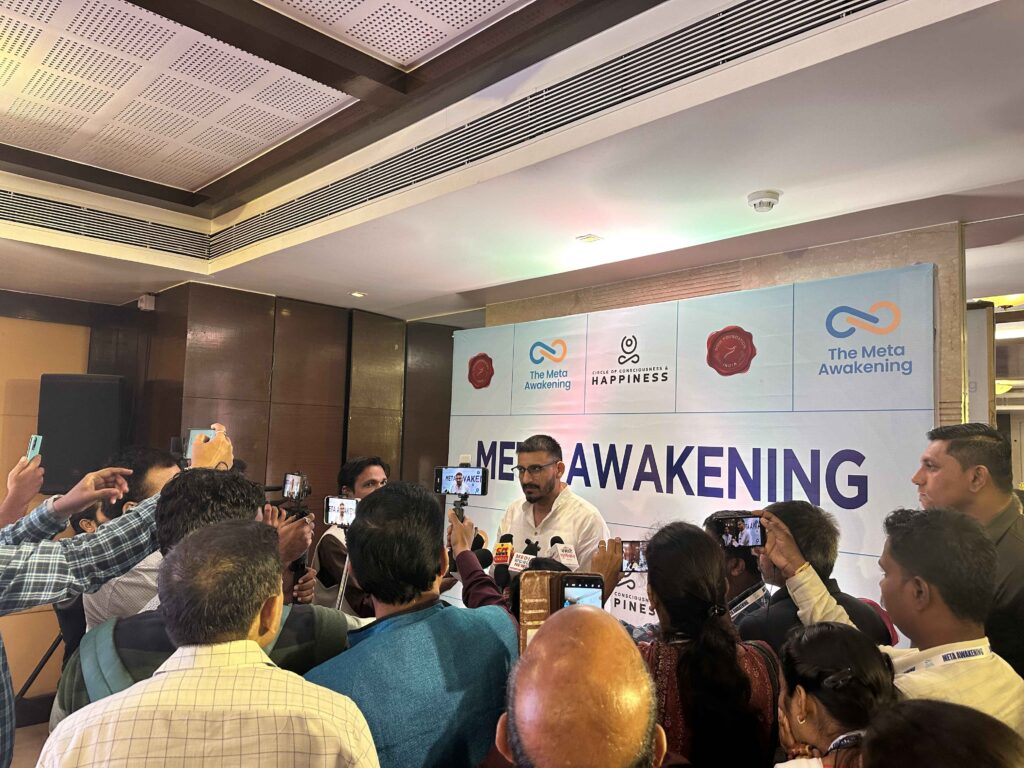
Modern science now confirms what ancient sages long intuited. Research shows that structured self-reflection enhances emotional regulation, improves decision-making, and fosters psychological well-being. Neuroscientist Bhupendra Chaudhary, a researcher at the intersection of spirituality and science, notes, “The most significant scientific discoveries of our time don’t contradict ancient wisdom—they confirm it. Self-inquiry is no longer just a spiritual pursuit; it is a science-backed necessity for personal and professional mastery.”
The Neuroscience of Self-Awareness
Studies from institutions such as Harvard Medical School reveal that regular self-reflective practices physically reshape the brain. Engaging in self-inquiry strengthens neural pathways in the prefrontal cortex—the region responsible for executive function, emotional intelligence, and resilience.
According to research published in the Journal of Cognitive Psychology, individuals who engage in structured self-inquiry exhibit:
- Enhanced problem-solving abilities
- Greater resilience to stress
- Improved emotional intelligence
Mindfulness-based practices, a structured form of self-inquiry, have been shown to lower cortisol levels, reducing stress and increasing mental clarity. Cognitive science further suggests that individuals who cultivate self-awareness make more purposeful and aligned choices, leading to greater life satisfaction. But beyond stress reduction and focus enhancement, self-inquiry unlocks a deeper dimension—the realization of consciousness itself as the primary force shaping our lived experience.
Operationalizing Self-Inquiry: Making Wisdom Practical
Despite its proven benefits, traditional self-inquiry has often felt abstract and inaccessible in today’s fast-paced world. Many view it as a practice reserved for philosophers and monks rather than a tool for everyday life.
However, contemporary approaches bridge this gap by integrating self-inquiry with cognitive psychology and behavioral science. These structured techniques empower individuals to:
- Recognize and reframe limiting thought patterns
- Identify core values and motivations
- Make decisions that align with their authentic selves
- Expand awareness beyond conditioned mental constructs
The Real-World Benefits of Self-Inquiry
The impact of self-inquiry extends far beyond personal satisfaction. Research demonstrates that individuals who cultivate self-awareness:
- Form deeper, more meaningful relationships
- Navigate conflicts with greater emotional intelligence
- Recover from setbacks with resilience and adaptability
- Make more ethical, well-reasoned decisions in professional settings
- Communicate with clarity, fostering trust and influence
Moreover, self-inquiry disrupts the hedonic treadmill phenomenon—the tendency to return to a baseline level of happiness despite external gains. By fostering an internal locus of control, self-inquiry provides a sustainable path to well-being that is not dependent on fleeting external circumstances.
Why External Success is Not Enough
For those conditioned to seek fulfillment in achievements, this inward turn can feel counterintuitive. Yet psychological research consistently shows that external markers of success—promotions, wealth, recognition—offer only temporary satisfaction unless rooted in a deeper understanding of one’s purpose and values.
Organizations are beginning to recognize the practical applications of self-inquiry as well. Companies implementing self-reflective programs report improvements in:
- Employee retention and satisfaction
- Creative problem-solving
- Workplace mental health and resilience
A New Definition of Success
As our world grows more complex and demanding, the ability to access inner wisdom becomes not just beneficial but essential. Integrating self-inquiry with modern scientific understanding offers a promising path forward, honoring both ancient teachings and contemporary needs.
The real question is not whether we can afford to invest time in self-inquiry—but whether we can afford not to. In a culture obsessed with external success, the most meaningful journey may be the one that leads inward. And in this journey, self-inquiry is not just a guide; it is the very essence of transformation.
About the Thought Leader
Bhupendra Chaudhary is a researcher, thought leader, and advocate for scientifically grounded self-inquiry. His mission is to empower individuals, institutions, and corporate leaders to unlock their infinite potential by bridging ancient wisdom with modern neuroscience. Through his operationalized self-inquiry techniques, Bhupendra provides tools for achieving self-awareness, resilience, effective decision-making, and sustainable success. His insights are particularly valuable for high-pressure corporate roles, innovators, and leaders seeking fulfillment beyond material achievements. He is also the author of Corporate Blackholes, an upcoming book that explores the intersection of corporate culture, consciousness, and personal well-being.
The future belongs to those who are not merely intelligent, but deeply conscious. And self-inquiry is the key to unraveling that next level of human evolution -Future Ready Human.