Somewhere in New York City, at almost any time of day, someone is trying to make a real estate decision they’ve never faced before. A buyer might be looking at a co-op board questionnaire they didn’t expect, and another may be waiting for an attorney’s call before signing a contract they’ve been weighing for weeks.
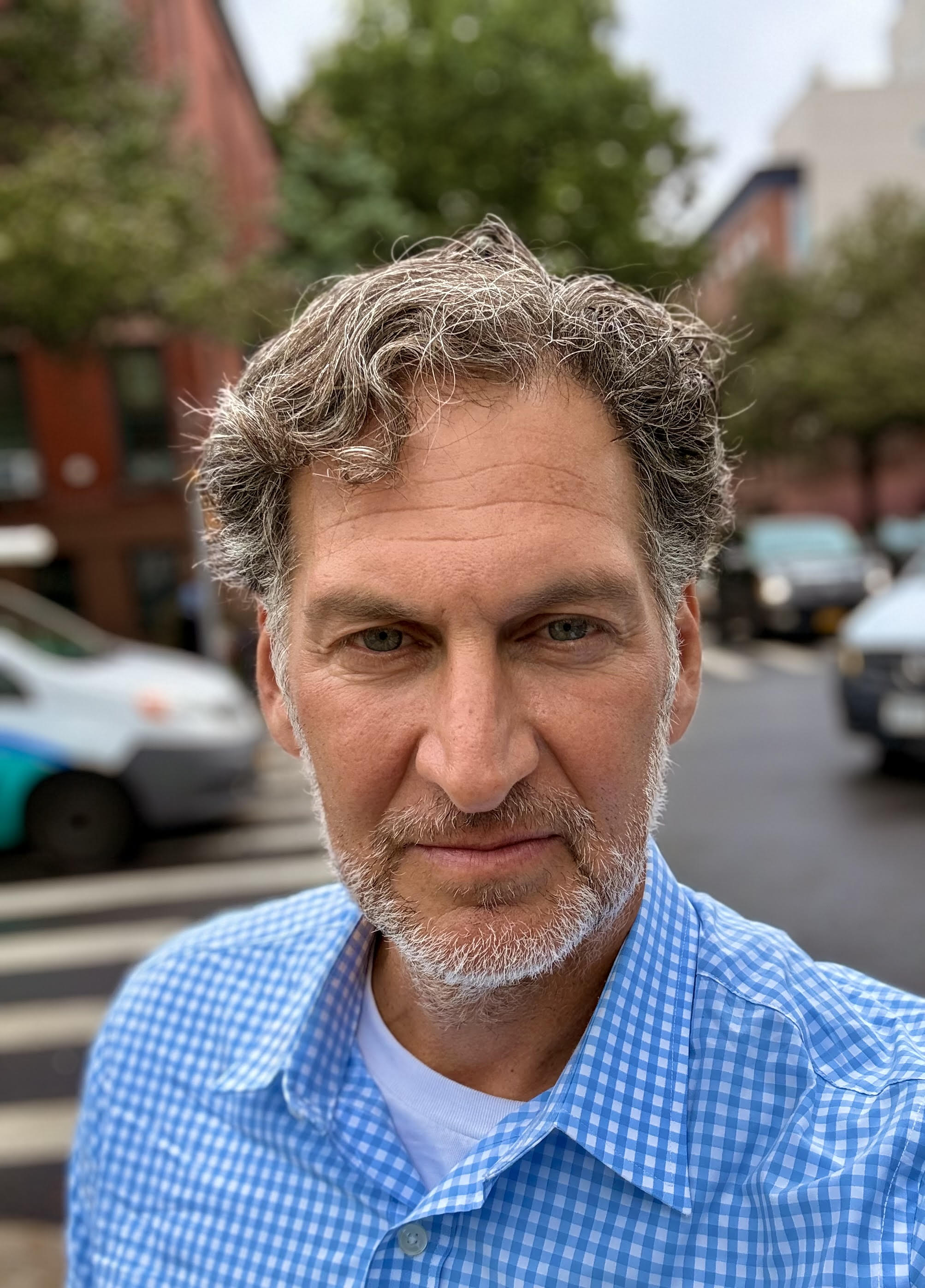
In the middle of many of these moments is Michael Moshan, lawyer and solo practitioner.
After earning his BA from Washington University in St. Louis and his JD from the Benjamin N. Cardozo School of Law, Moshan began practicing in 1996.
He spent the first part of his career at Gold & Gold, PC, and later became a partner at Gold Scollar Moshan, PLLC in 2006. Since opening his own practice in 2014, he has become the person clients call when they need someone to explain the fine print, calm their nerves, and ensure their next steps are informed, not rushed.
From start to finish, he believes in taking full ownership of the client experience. Every client hears from him directly, and every contract passes through his hands. Throughout his career, he has guided buyers through thousands of closings in two very different settings: New York City’s co-ops and condos, and the suburban markets just outside the city.
Those experiences have shown him that what clients need most is open communication, quick answers, and the reassurance that someone is fully invested in their deal. That level of attention is the baseline Moshan works from, not the exception.
Two Markets, One Advocate
New York City buyers face challenges that are hard to compare to anywhere else. One building might expect pages of financial documentation, while another asks for personal references or supplemental forms that catch buyers off guard.
Someone may breeze through a condo’s offering plan on their first read, then circle back with new questions as soon as they reach the finer details. Even the timing of a board review can introduce uncertainty into a deal that previously felt secure.
Moshan has seen moments like these play out for years. He’s watched buyers arrive excited and hopeful, only to find themselves lost in a maze of rules and expectations that seem to change depending on the building’s history, culture, or board preferences.
His observations have appeared in New York Times pieces such as “The Psychology of Moving,” “The Broker-Free Sale,” and “Homework for Condo Buyers,” which explored how unexpectedly emotional the buying process can feel.
Outside of the city, the concerns look entirely different. Instead of board approvals or internal policies, buyers find themselves thinking about property lines, older structures, or municipal records they’ve never had a reason to review before.
Since Moshan works throughout the five boroughs as well as in the suburbs, upstate regions, and Long Island, he’s seen how quickly a straightforward purchase can become complicated once these questions come up.
At one closing, one of his clients discovered that a small shed extended only a few inches over a neighbor’s property line. What seemed like a minor detail at the time suddenly became a major barrier to financing.
The seller refused to move the shed and the neighbor wouldn’t sign anything, so the buyer assumed the deal had fallen apart. However, Michael Moshan, attorney at law, wasn’t ready to give up.
A search through older municipal records led him to a survey notation that allowed minor encroachments for structures that had been in place for years. With that in hand, he drafted an attorney affirmation and walked it through the lender’s underwriting team. In the end, the issue was resolved without requiring costly changes, and the closing stayed on schedule.
“Creativity in real estate law often involves reframing a problem and finding the path others haven’t noticed yet,” he said.
Moshan’s work in both markets has made it clear that while the challenges may differ, the uncertainty buyers feel is often the same. People want to know where they stand, what comes next, and whether someone is looking closely enough to catch potential problems before they escalate.
The Thread Holding Deals Together
In a market that moves as fast as New York’s, communication has become its own kind of lifeline. There was a time when buyers and sellers had more space to think things through, but today’s tech-driven, highly competitive market leaves little room to slow down.
“Buyers want to know whether they can move forward within hours, not days,” Moshan explained. “Sellers expect contracts to move from negotiation to execution at lightning speed. Brokers expect you to be working on their deal all the time and they’re not wrong to have that expectation.”
Since even one unanswered question can throw everyone off track, Moshan has made sure that he’s always easy to get in touch with, believing that trust in real estate law is earned through consistency.
“In this market, issues rarely unfold between 9 and 5,” he explained. “Whether it’s an unexpected board requirement, a last-minute title question, or a seller’s attorney trying to change terms on the eve of signing, clients know I’m available and engaged.”
He also understands how intimidating the legal side of a purchase can feel for someone doing it for the first time. Real estate deals, whether for new buyers or seasoned investors, often move quickly and come with a fair amount of stress, so he tries to be the calmest one in the room.
During his career, he has taught real estate agents how to read and understand residential contracts so they feel more prepared guiding their own clients through them. He has also worked with new buyers through programs like Buying into Brooklyn, where he helped break down the steps that many people misunderstand or avoid when navigating the city’s competitive market.
Moshan never moves ahead with a deal until he’s sure his clients understand their options. Silence, in his mind, only creates unnecessary stress, so he addresses questions as soon as they’re asked. Even brief updates, like letting someone know he’s still reviewing a detail, helps build trust and keeps clients coming back.
“Clients and agents deserve real-time updates, honest guidance, and responsible counsel,” he said. “That’s not negotiable.”
A Full Life Outside the Office
Even with a demanding schedule, Moshan makes time for the people and activities that bring joy into his life. Tennis has been one of his favorite hobbies for years. In 2012, he founded the McCarren Tennis Ladder in Brooklyn, running it until 2017.
Later, he created the Westchester Tennis Ladders, which he still oversees today. In July of this year, he traveled to Israel to represent the United States in the men’s tennis team for players 55 and over at the Maccabi Games.
Music is another one of his pastimes. In 2007, he co-wrote and co-produced “Rock the SAT,” a study guide published by McGraw-Hill that used original rock songs to help students memorize vocabulary words. He has also played keyboard in several New York bands and occasionally performs with The Yacht Lobsters when his schedule allows.
Moshan’s commitment to his clients also extends to the greater community. A firm believer in giving back, he volunteers for local meal programs, supports the Sheldrick Wildlife Trust, and participates in cultural and theater work in Irvington alongside his wife.
He also enjoys hiking with his dog Ziggy, watching movies, gardening, watching Premier League soccer with his sons, and playing for his local garage band, Killer Mixtape.
Where Real Estate Law Is Heading
Looking ahead, Michael Moshan — lawyer and long-time guide for New York buyers — expects the real estate industry to keep accelerating. Technology has given buyers and sellers unprecedented access to information, leading to higher expectations, quicker timelines, and little tolerance for delays.
At the same time, regulators have started paying closer attention to disclosures, advertising, fair housing rules, and lending practices, adding new pressure for attorneys to be precise, transparent, and fully present. For Moshan, these changes only make the fundamentals more important.
“Ethics will matter more, not less,” he said. “As transactions speed up and communication becomes more fragmented, clients will need attorneys who prioritize clarity, truth, and accountability.”
To him, the most effective lawyers will be the ones who have strong technical skills and a moral compass to match, protecting their clients with both sound strategy and thoughtful, ethical advice. What matters most is not just reaching the closing table, but making sure people feel confident in the steps that got them there.
“I want them to look back and feel that the process made sense, that they were protected, and that their concerns were heard,” Moshan said. “A good closing is one where a client feels confident, not lucky, that they made the right decision.”