The life of an attorney is a busy one, with new cases and clients consistently bringing in problems both old and new to be solved or navigated. For attorneys, either individually or as members of a larger firm, effective management is critical for meeting clients’ needs and succeeding in a competitive industry. This requires robust organizational principles, an eye for steady growth and consistency, and a dedication to continuous education, lest the attorney fall behind new laws, judicial rulings, or other trends. Ideally, the modern lawyer balances professional growth and adaptability in order to deliver the best legal guidance possible.
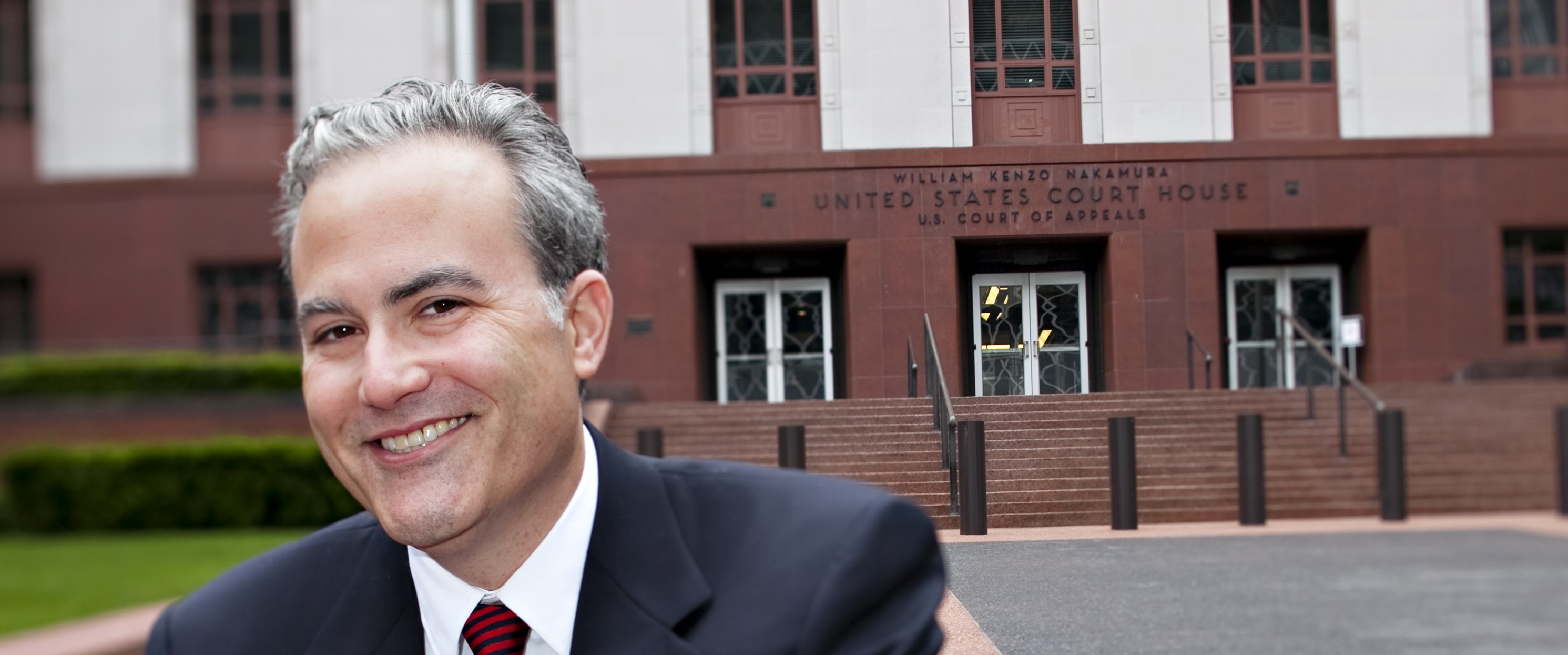
Based in Seattle, Washington, Attorney David Ruzumna has struck that balance over the course of his twenty years of legal practice. As the head of his own practice since 2000, and with experience serving as a judge pro tem in King Country District Court from 2012 to 2025, there’s no question of his legal acumen. He credits a significant amount of his professional success to his disciplined work routine and his dedication to lifelong learning, which have combined to form an effective formula for success.
The legal world is a strict and challenging one to operate in, but Ruzumna has consistently risen to the challenge by pairing genuine passion for the field with keen decision-making and leadership. Clients come to attorneys often in a vulnerable state, and Ruzumna understands that the best way to respect that vulnerability is to pair deep expertise and professionalism with empathy and clear communication—things built on a foundation of discipline and learning. Today David Ruzumna shares his experiences and expertise on professional growth, adaptability, and leadership in the legal field.
“Prospective clients want an attorney who is knowledgeable and confident, and it is important to comport yourself accordingly; equally important is for a prospective client to know that their attorney is not a cocky blowhard,” Ruzumna says. “The answer to this is to be candid when you are asked a question to which you do not have a readily available answer. Attorneys do not have every answer to every potential legal question; rather, a good attorney’s skillset is knowing where and how to look for the answer to a particular question.”
Building Productive Habits
For David Ruzumna, the foundation of good legal practice and consistent productivity is the same: discipline at all times. This applies to more than just tracking time properly and keeping organized in the workplace, though those things are crucial (especially for professionals working remotely or from home). Setting a schedule—with alarms, if necessary—and treating it as if it had the same authority as a traditional boss in an office setting is important both for keeping focused on tasks individually and for staying in a productive, work-first frame of mind. For Ruzumna, maintaining a disciplined approach to his career even outside of active case-work hours is critical, as it enforces a paradigm that guides his continuous education focus, informs his networking efforts, and ensures that his clients are met with the utmost professionalism.
“I try to view mandatory CLE hours as a bare minimum rather than as a goal,” says Ruzumna. “A good attorney will have more than enough accumulated CLE hours in any given reporting period to satisfy the WSBA.”
When it comes to those continuing education efforts, Ruzumna encourages others to do what he does, and learn from the very best whenever possible. In his case, that means closely tracking new Washington State Court of Appeals decisions, attending mandatory CLE’s from the Washington State Bar Association, and paying special and specific attention to the oral arguments in the United States Supreme Court and Washington State Supreme Court. Those legal advocates are at the top of their field, and being able to parse excellent oral arguments and legal writings is a boon to any legal professional.
“In King County Superior Court, most legal motions are decided on the pleadings without oral argument,” Ruzumna explains. “That means that your contact with the judge when seeking or opposing a particular result will depend on how well you are able to communicate with the judge in written form.”
Finally, it is crucial to be disciplined in interactions with clients, both in hearing and intention. Whether or not litigation is forthcoming, Ruzumna emphasizes close and careful listening—advice that should seem obvious, but proves an all-too common pitfall for many attorneys. It’s important to check off key data points before making legal judgements: the client’s desired outcome and/or goals, the perspective of the opposition in litigious cases, and the critical details of the case itself. As important as it is for him to gather critical information, Ruzumna must also make it clear to clients that the wheels of justice do not turn quickly, and be transparent about what the costs are likely to be for any given case.
“My job is only to ensure that the client is able to make an informed decision,” says Ruzumna. “An attorney may disagree with a client’s decision, but the attorney must nevertheless respect and abide by the client’s wishes.”
Legal Leadership Paradigm
David Ruzumna has looked to many role models and examples of leadership over the course of his legal career, starting first and foremost with his own father-in-law. Before his retirement, he was the CFO and later CEO of a major real estate developer, and his quiet, competent, knowledgeable management style proved inspiring. Ruzumna carries his example forward, prioritizing productive conversations and repair over punitive discipline and criticism. It’s a simple style: when someone makes a mistake, find out why and how, then turn the error into a learning experience.
Leadership is largely about function, but there’s a certain presence that effective leaders have that cannot be taught, only observed and replicated. One example of this that proved education for Ruzumna was former judge Steven Gonzales, now a Justice of the Washington Supreme Court. In his several appearances before Judge Gonzales, Ruzumna was struck by his soft-spoken manner, and the way his bearing made the few words he did speak demand respect and attention. From him, Ruzumna learned to listen more, speak less, and be polite and gracious to everyone, be they friend or foe.
These examples blend with David Ruzumna’s nearly 30 years of experience to create a cultivated leadership style that is stoic, disciplined, and attentive in its professionalism. Peers, team members, and clients are listened to respectfully in order to get the best understanding of any given situation, and then decisions are made quickly and decisively. Transparency and honesty are crucial, and with enough strength they’ll prove a shield against most tough ethical situations in a field familiar with them. Ruzumna’s leadership paradigm is defined by respect: for himself, his clients, his team, and his legal opponents alike.