Lineage, Responsibility, and a Global Mission
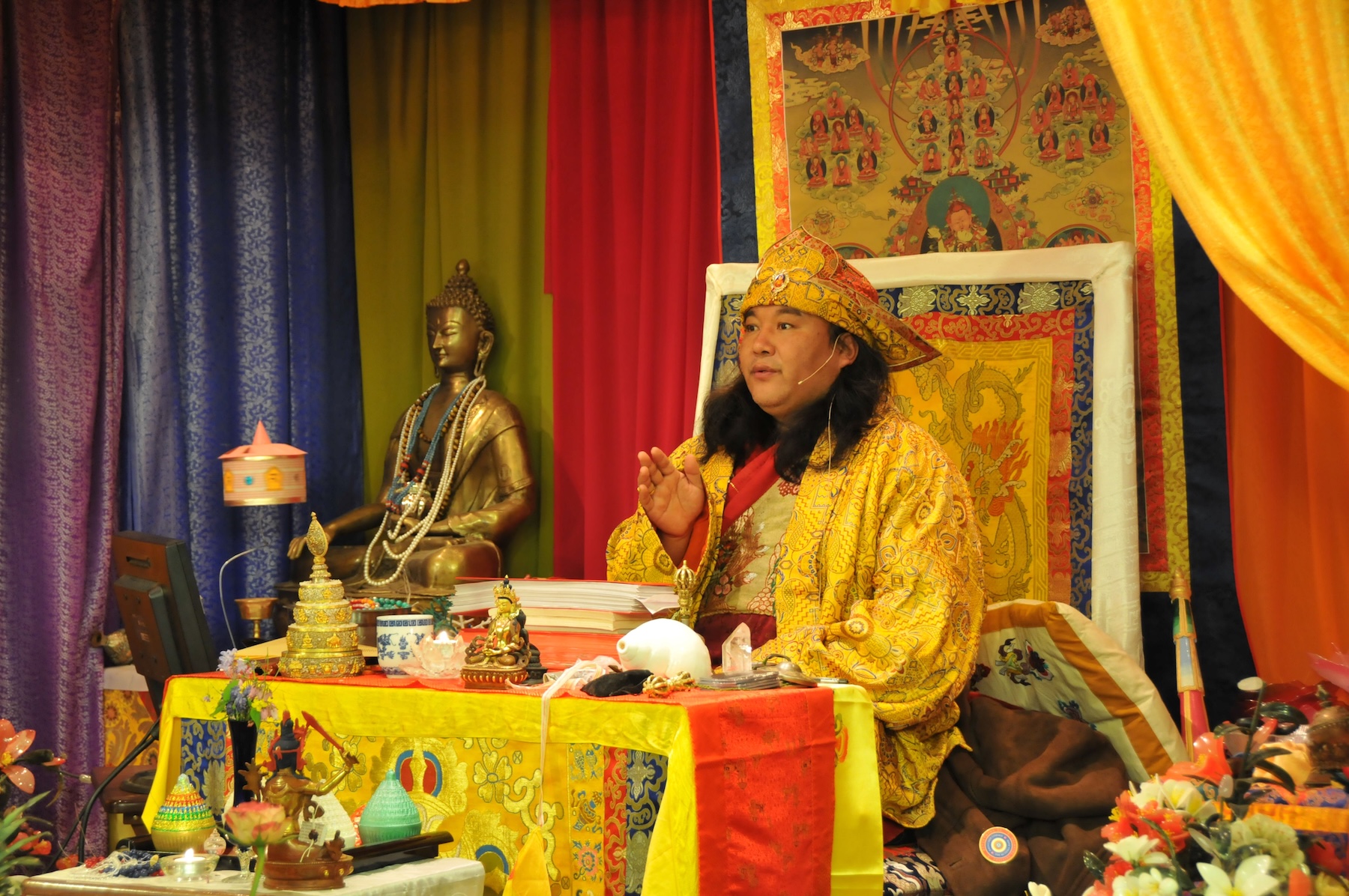
The preservation of authentic spiritual traditions has become increasingly complex in a rapidly changing world. Within Tibetan Buddhism, lineage is not only a matter of history but a living transmission of knowledge, discipline, and practice. Khenpo Choga Rinpoche stands as a central figure in this effort, carrying forward teachings that have been refined over centuries.
Recognized as the Thirty Third Generation Holder of the Dzogchen lineage, his role carries both historical weight and contemporary responsibility. His work reflects a commitment to maintaining the integrity of Buddhist teachings while making them accessible to modern practitioners across cultures.
This balance between preservation and accessibility defines his mission and shapes his global influence.
Understanding the Dzogchen Lineage in Tibetan Buddhism
Dzogchen, often translated as the Great Perfection, represents one of the most profound teachings within Tibetan Buddhism. It focuses on recognizing the natural state of mind, emphasizing direct experience over conceptual understanding. The lineage is transmitted through an unbroken chain of masters, each responsible for preserving both the teachings and their correct application.
This tradition places great importance on lineage authenticity. This allows for the transmission of unchanged, core teachings through each generation of its students. Thus, the lineage holder is not merely a figure; they must be deeply versed in the teachings, have a disciplined, regular practice of those teachings, and have the ability to teach those teachings clearly and effectively.
For Khenpo Choga Rinpoche, being a Thirty Third Generation Holder means safeguarding this continuity. It also means ensuring that the teachings are not diluted or misunderstood as they spread beyond their traditional cultural context.
His approach reflects a clear understanding of these responsibilities, rooted in decades of training and practice within the Dzogchen tradition.
Early Training and Formation of a Dharma Scholar
Born in Tibet, he began his training at the age of five at Dzogchen Monastery. This early immersion in Buddhist study shaped his intellectual and spiritual foundation. He later studied extensively at Dzogchen Shri Singha University, where he engaged with both the five major sciences and five minor sciences of traditional Buddhist education.
He was also able to use his extensive education to help him create many hours of practice meditating in remote mountains. The time he spent isolated while meditating in monasteries was not just a sign of being disciplined; it was necessary to get his mind around what he learned intellectually as well as develop an understanding from experience that all lineage holders must have.
He received transmissions and teachings from more than forty accomplished masters. This breadth of instruction provided a comprehensive grounding in the Sutras, Tantras, and advanced Dzogchen practices. It also reinforced the importance of lineage authenticity through direct teacher student relationships.
His appointment as a Khenpo, or professor of Dharma, reflected both scholarly achievement and spiritual maturity. It marked the beginning of a broader role that would extend far beyond traditional monastic settings.
Rebuilding Dzogchen Shri Singha Educational Tradition
One of the most significant chapters in his work involves the rebuilding of Dzogchen Shri Singha University following the Cultural Revolution. During that period, many traditional institutions were damaged or destroyed, and the continuity of teachings was placed at risk.
Reconstruction efforts required more than physical rebuilding. They demanded a restoration of curriculum, teaching methods, and institutional integrity. As a professor and leader within this system, he played a key role in reestablishing the educational foundation of the Dzogchen tradition.
The university prepares future Buddhist educators while preserving classical Buddhist teachings. The university’s revival also ensured that the lineages of Buddhist educators would continue through formalized education as opposed to informal modes of transmission which have existed previously.
This work reflects a broader commitment to institutional leadership. It demonstrates how preservation of lineage depends not only on individual teachers but also on strong educational systems.
Teaching Across Cultures and Expanding Global Reach
In recent decades, his work has extended far beyond Tibet and traditional Buddhist regions. He has taught in more than forty countries, offering instruction to diverse audiences that include both experienced practitioners and newcomers to Buddhist philosophy.
Teaching internationally requires careful adaptation without altering core principles. Cultural differences, language barriers, and varying levels of familiarity with Buddhist concepts all present challenges. His teaching style addresses these challenges by emphasizing clarity and practical application.
He presents complex teachings in ways that are accessible without oversimplification. This approach allows students to engage with Dzogchen principles in daily life while maintaining respect for their depth.
Through these efforts, Khenpo Choga Rinpoche has helped establish a global community of practitioners who remain connected to the original lineage.
Training Dharma Teachers for Future Generations
A key component of lineage preservation is the training of qualified teachers. Without this, teachings risk becoming inconsistent or misunderstood over time.
He has developed structured systems for training Dharma teachers at multiple levels. These include Sangha Mitra, Dharma Acharya, and Bodhi Lama designations. Each level reflects a progression of study, practice, and teaching responsibility.
This structured approach ensures that teachers are not only knowledgeable but also prepared to guide others with accuracy and discipline. It reinforces the importance of accountability within the lineage.
By authorizing teachers across different regions, he has created a network that supports consistent transmission of teachings. This network plays a critical role in sustaining the lineage across geographic and cultural boundaries.
Publishing and Preserving Teachings Through Texts
Written texts remain a vital tool for preserving Buddhist teachings. They provide a stable reference that complements oral transmission and direct instruction.
He has contributed to this effort by publishing numerous Dharma texts covering a wide range of subjects within the Buddhist tradition. These works support both students and teachers by offering detailed explanations of key concepts and practices.
Publishing also allows teachings to reach individuals who may not have direct access to a teacher. It creates a bridge between traditional instruction and modern methods of learning.
This emphasis on written preservation reflects an understanding that lineage must be supported by multiple forms of transmission.
Supporting Hundreds of Thousands of Practitioners
Over the course of his teaching career, he has guided hundreds of thousands of practitioners worldwide. This scale of influence highlights both the demand for authentic teachings and the effectiveness of his approach.
His work focuses on helping individuals develop clarity, stability, and compassion through daily practice. These qualities are central to the Dzogchen tradition and remain relevant regardless of cultural context.
Students often come from diverse professional and personal backgrounds. This diversity underscores the adaptability of the teachings when presented with clarity and precision.
The impact of this work can be seen in the growth of communities that continue to practice and share the teachings in their own regions.
The Role of the Dzogchen Shri Singha Foundation
Institutional support plays an essential role in sustaining global efforts. The Dzogchen Shri Singha Foundation serves as a central platform for coordinating teachings, training programs, and charitable activities.
Through this organization, he has been able to expand access to authentic teachings while maintaining oversight of quality and consistency. The foundation also supports educational initiatives and humanitarian efforts that align with Buddhist principles.
This structure allows for long term planning and continuity. It ensures that the work of preservation does not depend solely on individual effort but is supported by a broader institutional framework.
Maintaining Authenticity in a Modern Context
Modern life presents unique challenges for spiritual practice. Constant information flow, digital distractions, and fast paced lifestyles can make sustained attention difficult.
In this context, preserving authenticity requires both discipline and adaptability. Teachings must remain true to their source while being presented in ways that resonate with contemporary audiences.
He addresses this by emphasizing foundational practices such as mindfulness, ethical conduct, and compassion. These principles provide a stable framework that supports deeper study and practice.
At the same time, he cautions against superficial engagement with spiritual teachings. Authentic practice requires commitment and consistency, not occasional interest.
This balanced approach helps ensure that the lineage remains intact while continuing to grow.
Continuing the Work of Lineage Preservation Across Generations
The preservation of the Dzogchen lineage depends on a combination of individual dedication and institutional support. Through his work as a teacher, scholar, and leader, Khenpo Choga Rinpoche has contributed to each of these areas.
His efforts in rebuilding educational institutions, training teachers, publishing texts, and teaching globally reflect a comprehensive approach to preservation. They demonstrate that maintaining authenticity is an ongoing process that requires both continuity and careful guidance.
The new generations of people who are starting to practice these teachings will be able to connect with them through all the various resources and structures that he has created for his teachings. Therefore, the lineage will still be maintained with clarity, consistency, and accessibility. As a result of this legacy, the mission continues to be focused on tradition and supported through wise leadership.