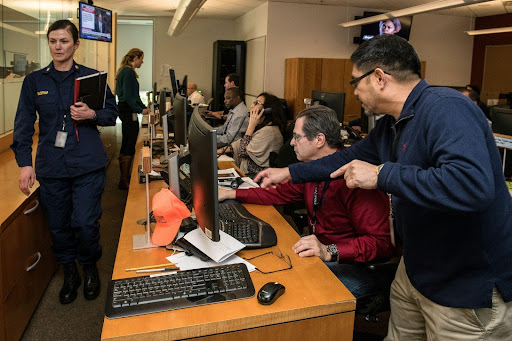
Emergency response leadership is a multifaceted discipline that requires a blend of preparation, adaptability, and quick decision-making. Leaders must not only anticipate challenges but also manage teams and resources under immense pressure. Joseph Citino of South Windsor in Hartford County, Connecticut, underscores how their ability to communicate effectively, remain composed in crises, and learn from past experiences shapes their success in minimizing harm and restoring order As the world faces increasingly complex crises driven by factors like climate change, urbanization, and technological advancements, the role of emergency response leaders has never been more critical.
Understanding Emergency Response Leadership
Emergency response leadership is the practice of guiding and coordinating efforts during crises to minimize harm and restore order. Leaders must act decisively while managing complex situations that often require immediate solutions. Their ability to remain calm under pressure and inspire confidence is critical in navigating unpredictable circumstances.
Effective emergency leaders possess a unique blend of traits, including adaptability, clear communication, and emotional intelligence. They must understand the needs of their teams and communities while making decisions that prioritize safety. Leaders in emergency response also serve as the backbone of crisis management strategies. They align resources, delegate responsibilities, and foster collaboration among diverse groups.
Preparedness and Decision-Making
Strong emergency response leadership begins with meticulous planning and preparation. Leaders must anticipate potential crises by analyzing risks, designing response protocols, and ensuring their teams are well-trained. This proactive approach reduces vulnerabilities and enables teams to respond more effectively when emergencies arise. Thoughtful preparation often involves collaboration with stakeholders, including governments, organizations, and communities, to create cohesive strategies that minimize the impact of disasters.
In high-pressure scenarios, leaders are expected to make rapid yet calculated decisions that balance immediate needs with long-term goals. The ability to prioritize tasks and allocate resources efficiently is fundamental in such moments. A leader’s situational awareness—understanding the fluid dynamics of a crisis—can mean the difference between success and failure. Moments of decisive action, such as directing evacuations during wildfires or mobilizing medical teams during public health crises, highlight the crucial role of quick, informed decision-making.
Adaptability also plays a key role in this process. Even the most thorough plans may encounter unforeseen challenges, requiring leaders to pivot and adjust in real-time. The ability to recalibrate while maintaining focus on objectives emphasizes the importance of adaptability in demanding environments.
Team Management and Coordination
Emergency response is rarely a solo effort, and strong leadership ensures that every member of the team operates cohesively under challenging circumstances. Leaders must create an environment of trust and mutual respect, empowering their teams to act with confidence and clarity. When tasked with managing diverse groups of individuals, effective leaders ensure that roles are clearly defined and that everyone understands their responsibilities, which is especially crucial during time-sensitive operations.
The ability to foster collaboration between individuals and organizations is another hallmark of successful emergency leadership. From coordinating multiple agencies during a large-scale disaster to uniting volunteers and professionals in response to a local emergency, leaders must balance differing priorities and approaches to maintain alignment toward shared goals.
In chaotic situations, leaders often rely on their ability to maintain composure and inspire their teams to do the same. From first responders to medical staff, the team’s resilience directly correlates with the leader’s ability to instill confidence. The seamless coordination of efforts, such as search-and-rescue missions or relief distribution during floods, demonstrates the power of effective team management in achieving successful outcomes.
Communication in Crisis Situations
Clear and effective communication is the cornerstone of successful emergency response leadership. In high-stakes scenarios, leaders must convey critical information quickly and accurately to their teams, stakeholders, and the public. Miscommunication or delays in delivering instructions can escalate chaos, making it essential for leaders to establish reliable channels of communication.
Leaders often utilize various methods to maintain open lines of communication, adapting their approach based on the situation. During natural disasters, public announcements made through social media, radio broadcasts, or community alerts can save lives by providing timely updates. Internally, leaders rely on streamlined communication tools to keep all team members informed and aligned, ensuring that efforts remain cohesive amidst rapidly changing conditions.
Learning from Experience
Each emergency presents a unique set of challenges, and leaders grow by reflecting on these experiences. Analyzing past events provides valuable insights that help refine strategies and improve preparedness for future crises. Conducting post-incident evaluations, such as reviewing what worked and what didn’t during a large-scale evacuation or disaster response, can uncover gaps in planning and execution.
Many leaders draw inspiration and knowledge from historical events, studying how others navigated complex situations. These reflections often shape training programs, operational protocols, and leadership development initiatives. Incorporating lessons learned into team exercises and simulations ensures that leaders and their teams are better equipped to handle similar challenges in the future.
Emerging Challenges and Future Trends
Modern emergency response leaders face a host of evolving challenges, from climate change to misinformation campaigns that can hinder public safety efforts. The increasing frequency and intensity of natural disasters, such as hurricanes and wildfires, demand innovative approaches and robust preparedness measures. Leaders must also address the complexities of urbanization, which can complicate evacuation routes and strain critical infrastructure during crises.
Technology continues to reshape the landscape of emergency response, offering both opportunities and challenges. The rise of artificial intelligence, predictive analytics, and advanced communication tools has enhanced leaders’ ability to anticipate and manage emergencies. However, the reliance on technology also comes with risks, such as cybersecurity threats that could disrupt critical systems during disasters. Leaders must strike a balance between leveraging these advancements and mitigating potential vulnerabilities.