
A recent survey reveals that the global supply chain management market is expected to rise from USD 35.30 billion in 2025 to approximately USD 89.57 billion by 2034. Regardless, supply chains witness a level of complexity never seen before. Market evolutions, rising costs, and the need for transparency put businesses under constant pressure to improve their operations. Even with the ongoing push to go digital, many companies still use old systems, siloed data, and inefficient workflows. These gaps create delays, increase costs, and turn compliance into a constant concern.
For global companies with huge supply chains all over the world, the stakes are even higher. Procurement inefficiencies, production delays, and unexpected disruptions don’t just lead to temporary setbacks; they may incur losses worth millions annually. Several businesses are now looking at SAP-based solutions to make their work smoother. But implementing these solutions isn’t just about upgrading software; it requires a deep understanding of how supply chains function at their core. That’s where SAP supply chain expert Ankit Sharma stepped in and shook things up.
Imagine a company dealing with inventory costs going up, delayed order processing, and a constant struggle to keep up with compliance. This was what a big service-based MNC faced before Ankit came on board. Even though the company had a strong market position, it was battling operational problems that were holding it back from growing.
The company’s inventory costs were rising because they couldn’t predict demand well, so they had to put money into extra stock. At the same time, their slow order-to-cash process was not just upsetting customers but also causing revenue leakage. Their compliance tracking wasn’t consistent, which put them at risk during audits. To make things worse, their data was spread out across different systems, making it almost impossible to see how their supply chain was performing in real-time.
For a company working worldwide, these weren’t small problems; they posed a real threat to the company’s future success. The business needed more than just new software; it had to change how it handled its supply chain. Plus, it needed someone who knew how to connect business plans with technical expertise. Setting up SAP isn’t just about installing a new system; it changes how a company works from top to bottom. Ankit took on this big job with a clear plan, making sure the tech fit with what the business wanted to achieve, not just what the IT team needed.
Customers looking to transform their business with SAP S/4HANA can achieve success by striking the right balance between rethinking business processes and reusing existing ones. This approach ensures that the transition to SAP S/4HANA becomes a company-wide business initiative rather than just an IT project.
To identify the key business processes that require change, customers should consider the following four dimensions:
- Translating business strategy into clearly defined processes that must be analyzed and redesigned.
- Leveraging innovative technology and automation capabilities throughout the implementation.
- Ensuring transformation success by placing people at the center of the change.
By integrating these four dimensions, organizations can drive a seamless and effective SAP S/4HANA transformation.
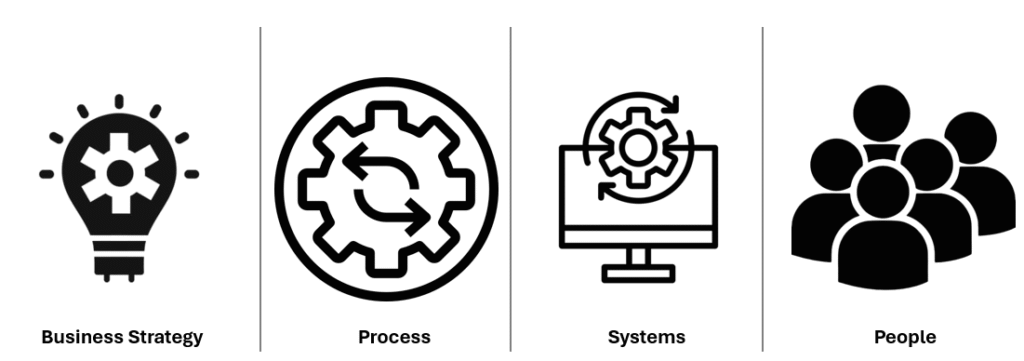
Figure 1: Four dimensions to transform successfully
One of the first steps involved building supply chain visibility in real-time. By breaking down data silos, people making decisions could get accurate current insights. Automating procurement processes had a big impact on cutting manual work and boosting productivity. The company embedded compliance frameworks right into SAP workflows, which made sure they met regulatory requirements without a hitch. Also, they improved their ability to predict trends, allowing them to foresee changes in demand and adjust inventory to match.
The outcomes had a revolutionary effect. The company cut procurement costs by 12%, and better inventory control brought about an 18% reduction in holding expenses. The order-to-cash process became 25% quicker, which boosted on-time deliveries by 22%. Compliance, once a big headache, turned into a smooth operation, lowering audit risks by 40%.
But the numbers don’t tell the whole story. What made this change stand out was how it altered the company’s way of doing things. Instead of just dealing with supply chain problems as they came up, the company could now see them coming and stop them before they got worse. This ability to adapt gave the company an edge over its rivals, setting it up to thrive in the long run.
Change management is often overlooked when it comes to digital transformation. Technology by itself can’t lead to success unless the people who use it are engaged and trained. Ankit understood this and made it a top priority to get everyone involved and on the same page. Reflecting on this perspective, he shared, “Supply chain transformation isn’t just about implementing new technology; it’s about aligning people, processes, and systems to work seamlessly together. My goal was to bridge the gap between business needs and SAP capabilities, ensuring that every solution we implemented had a real impact on efficiency, compliance, and decision-making. Seeing those efforts translate into measurable success has been incredibly rewarding.”
Ankit Sharma made it easier for IT and business teams to work together, making sure SAP’s features matched what the company needed to do. Legacy systems were seamlessly migrated, preventing data loss or inconsistencies. Customized training programs were introduced, empowering employees to leverage SAP’s full potential. This hands-on method changed everything. Employees transitioned from isolated operations to a unified, integrated system, enhancing collaboration and accessibility. Data now drove decisions instead of old reports. The system now handled compliance, which used to cause headaches. This change wasn’t just about tech; it changed the culture, making everyday work more productive and open.
The benefits of putting in SAP went beyond fixing current problems. It set the stage for the company to adopt new ideas later. With a strong scalable system now in place, the company could explore using AI for demand prediction, blockchain for transparent logistics, and automation for supplier management.
What started as an effort to fix inefficiencies turned into a blueprint for how tech can reshape business operations when put into action with care and vision. Ankit’s contribution didn’t just streamline workflows; it made the company’s supply chain ready for the future, ensuring it could handle changes in the global market.
This transition is part of the global supply chain transformation. Moving products from A to B is no longer the only focus of the future; it is also about using data, automated processes, and predictive analytics for smart, flexible operations. Companies that stick to outdated manual processes risk falling behind; conversely, those that embrace SAP-driven digital transformations will gain prominence in the competitive world.
A comprehensive end-to-end process transformation methodology that begins with analyzing business processes, followed by enhancements and redesigns, seamlessly integrates into Application Life-Cycle Management, and supports users in executing improved processes. We continuously drive these improvement cycles to ensure ongoing business process optimization.
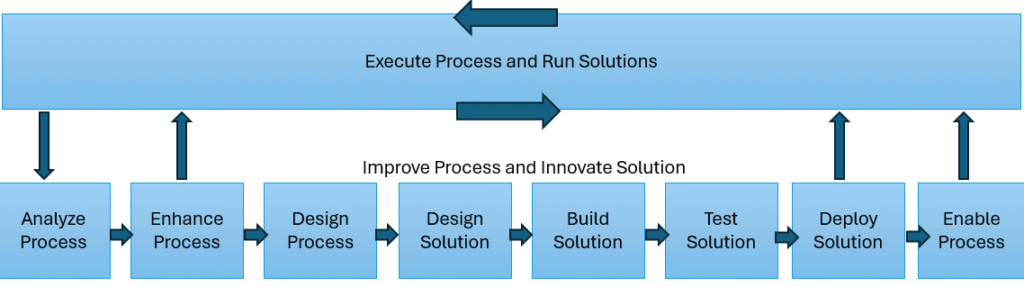
Figure 2: End-to-end business process transformation methodology
This story of SAP’s transformation isn’t just about improved metrics; it’s about a big transition in how firms handle supply chain management. With the right technology, strategy, and skills, businesses can do more than problem-solving. They can discover new methods to develop and generate innovative ideas. Ankit Sharma’s efforts show what can happen when business intelligence meets technological excellence. As more companies recognize the power of smart SAP integration, the future of supply chain management is becoming more dynamic than ever.