COLORADO – Scott Bookman was scrolling through Twitter on New Year’s Eve 2019 when a single tweet stopped him cold. Reports of pneumonia cases with unknown origins in China flickered across his screen. He called out across the room to his deputy at the Colorado Department of Public Health and Environment laboratory.
“This is how it begins,” she said.
“That was when COVID started for me,” Bookman recalled during a recent interview about his career. Within weeks, the warning became reality, transforming the newly appointed director of the Office of Emergency Preparedness and Response into Colorado’s COVID-19 incident commander. The role would consume the next few years of his life and draw on everything he had learned across more than two decades in emergency services, healthcare leadership, and public health.
Bookman had spent his career moving steadily through increasingly complex leadership roles. “I have spent the last twenty years in emergency services, healthcare, and public health,” he said. “That includes being an EMS field supervisor, the chief of EMS for the City of Denver, the CEO of a federally qualified health center, and the statewide incident commander for COVID-19.”
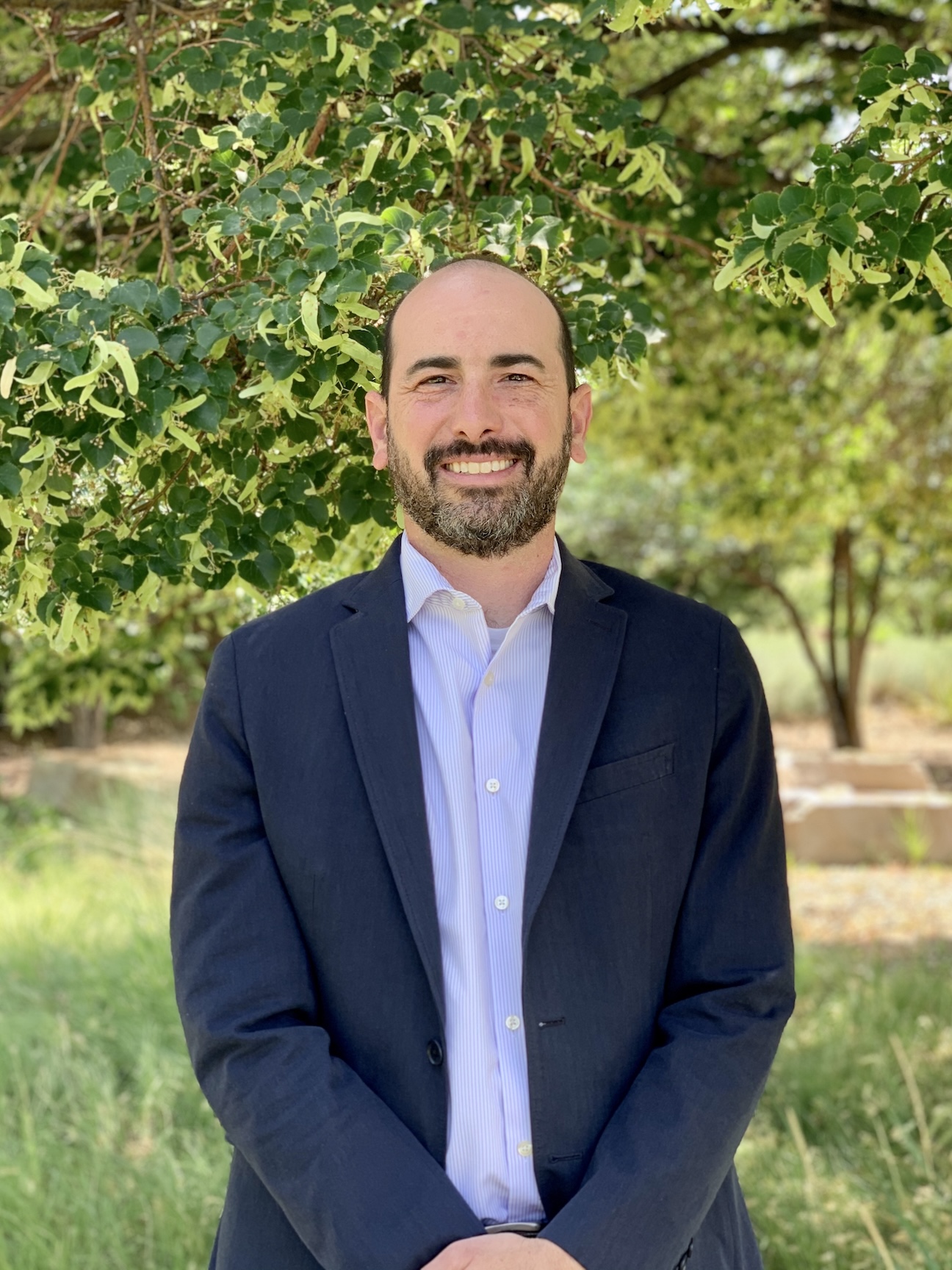
Scott Bookman, Colorado, holds a master’s degree in public administration with a concentration in emergency management and homeland security, an academic foundation that proved critical once theory collided with reality.
The scope of the pandemic response was staggering. Bookman directed statewide testing operations, surge capacity planning, epidemiological tracking, public health data systems, and the largest immunization campaign in Colorado history. He briefed Gov. Jared Polis, congressional delegations, and White House officials, while coordinating responses that balanced public health imperatives against economic sustainability and public trust.
The work did not stop at COVID. Wildfires, civil unrest, and other emergencies demanded attention simultaneously.
“In some periods, I literally worked through quarantine,” Bookman said. “It was like being deployed from my basement. I went from relatively normal hours to being gone all the time.”
The personal cost was immediate. His wife found herself homeschooling their children alone, one with high needs that became more complex as the pandemic dragged on. Family dinners disappeared. Bike rides with his sons vanished.
“If I was going to put my family through this, I knew I had better do a damned good job,” Bookman said. “It felt like this was my calling, and I’m grateful I was in the right place at the right time to serve the state that I love.”
A Career Built for Crisis
In hindsight, Scott Bookman’s professional trajectory seemed designed for moments like this.
He spent 25 years in emergency medical services, including seven years as chief paramedic for Denver Health and Hospital Authority. As a captain, he oversaw scheduling and special event operations. As chief, he directed the entire 911 EMS system, including airport operations at Denver International Airport, field operations, critical care transport, and the EMS education program.
During that time, he helped turn a struggling paramedic division into a fiscally sound, operationally strong organization.
One of his earliest defining moments came when a commercial airline crashed at Denver International Airport. Bookman served as incident commander, coordinating a complex emergency response that tested his ability to manage high-stakes situations where decisions carried immediate consequences.
Midway through his tenure, Bookman assumed an additional role as administrative director and service line director for Denver Health’s Department of Emergency Medicine. Working alongside nursing and physician leaders, he focused on financial stability, operational excellence, and improved patient outcomes.
“I developed a deep understanding of the importance of providing care for everyone in our community,” Bookman said. He also worked with EMS agencies and health systems across Colorado to improve trauma patient referrals and outcomes, building relationships that would later prove essential during statewide emergencies.
That commitment to access and equity led him to rural Colorado, where he became CEO of Uncompahgre Medical Center, a frontier Federally Qualified Health Center serving some of the state’s most vulnerable residents.
The challenges were significant: access barriers, limited pre-hospital resources, low health literacy, and a complicated federal regulatory structure. When Bookman arrived, the organization was on the verge of fiscal collapse.
Using Lean management systems, he stabilized the center, increasing patient volumes, improving quality metrics, and driving patient satisfaction.
“We faced the challenge of providing whole-patient care while overcoming enormous obstacles,” he said.
Leading Through the Pandemic and Beyond
When Scott Bookman returned to Denver, he initially joined CDPHE as deputy director of the Public Health Lab. On Feb. 21, 2020, barely settled into his new role, he was tapped as COVID-19 incident commander. Two days later, he briefed the governor. Soon after came congressional leaders and White House officials.
“Before I knew it, I was directing a full-on COVID response,” he said.
Throughout the pandemic, Bookman worked closely with the White House to inform national strategy, operationalize the at-home testing program, and help construct the roadmap for the post-pandemic future. He partnered closely with the governor’s chief of staff to guide an all-of-state response that sought to balance public health protection, economic viability, and public trust in government.
“Leading the statewide COVID response was one of the greatest accomplishments of my career,” Bookman said. “But I’m also incredibly proud of the concurrent public health work we did, like leading responses to some of the largest wildfires in Colorado history.”
He made workforce wellness a priority, emphasizing mental and physical health for frontline workers such as paramedics and public health staff who operated under relentless pressure.
“I am proud of placing an emphasis on health and wellness for our frontline workers,” he said. “They carried an enormous burden.”
As the emergency phase ended, Bookman led significant downsizing efforts while ensuring lessons learned were embedded throughout Colorado’s evolving public health system.
Gov. Jared Polis later appointed Scott Bookman to the Colorado Rail Safety Committee, where he continues to apply his emergency preparedness expertise to transportation safety and infrastructure oversight. The role reflects a broader through line in his career, one focused on risk management, system resilience, and public accountability.
Scott Bookman Looks Ahead to a New Chapter in New York
The world looks different now than it did in 2020. The urgency that once defined daily life has eased, but the systems built under pressure remain, shaped by hard decisions and long nights that are not easily forgotten.
Scott Bookman has changed along with it.
In the years since the height of the pandemic, Bookman helped guide Colorado’s public health system out of emergency mode and into a more sustainable phase. That transition required leading teams through a significant downsizing as crisis operations wound down, while also ensuring the lessons of COVID were not lost once the immediacy faded.
“That work gave me a deep understanding of the healthcare system across Colorado,” Bookman said. “Not just individual agencies, but how the entire system functions together.”
It marked a shift in his leadership, from commanding during a crisis to focusing on long-term stewardship. The work became less about reacting to the emergency of the moment and more about strengthening systems so they function better when the next challenge arrives.
Now, as his family prepares to relocate, Bookman is looking ahead. He is exploring new opportunities in healthcare, emergency medical services, and emergency management, roles where his experience navigating complex systems under pressure can help organizations prepare before they are tested.
“We are moving to New York, and I am looking for leadership roles,” he said. “I want to continue doing work where I can help systems function better when it matters most.”
Outside of work, Bookman has returned to routines that were difficult to maintain during the pandemic years. He spends time skiing and biking with his wife and children, grounding habits that sustained him through the most demanding period of his career. Colleagues describe his leadership style as warm and engaging, with a focus on building teams and trusting people to do their work well.
At the center of his career remains a belief shaped by decades spent responding to crises and caring for communities.
As Bookman looks toward the next phase of his career, he carries those lessons with him. He leaves Colorado having helped stabilize systems during a moment of profound uncertainty, and he moves forward committed to applying that experience wherever the work calls next.
“I fundamentally believe that all people have a right to the best possible healthcare that our country can provide,” Bookman said. “And especially in public service, we have a responsibility to make sure the system works for the people who need it most.”