
The global fashion industry is under pressure to reduce waste, respond to changing consumer habits, and rethink how products move through the retail market. According to fashion consultant Kenchen Bharwani, one of the biggest opportunities lies in a part of the industry many consumers still misunderstand: off-price fashion.
With nearly two decades of experience across sourcing, manufacturing, inventory strategy, and retail positioning, Kenchen Bharwani has built a reputation for identifying commercial value where others see excess stock. From deadstock fabrics to cancelled production runs, her work focuses on turning overlooked inventory into products consumers actually want to buy. In this interview, she discusses sustainability, shifting consumer behavior, the realities of fashion retail, and why understanding sell-through matters more than following trends.
Your journey started by working for a small garment exporter in the off-price fashion business. Looking back, what lessons from those early days still shape the way you make decisions today?
My early days taught me that fashion is not only about what looks good, it’s about what moves, what sells, and what solves a problem. Working with a small garment exporter meant that I had to learn every part of the process, from sourcing to production to buyer expectations. I learned very quickly that one wrong assumption about color, fit, fabric, or timing could change the outcome of a deal.
That still shapes the way I make decisions today because I never look at the garment as just a garment. I look at where it came from, why it may have become excess, who the right customers are, and how they can be repositioned.
Those early years taught me to be practical, because in off-price fashion, creativity has to work in the real market, not just on paper.
You often say your ideas don’t follow the crowd, they lead it. Can you share a moment when trusting your instincts led to an opportunity others initially overlooked?
One moment that really reflects this was when I looked at deadstock fabric and saw product opportunity instead of waste. Generally, a lot of people look at leftover fabric as something that has already missed its moment. But I started thinking about how it could be turned into something more relevant for the market, whether that meant Christmas themed sweatshirts, Americana tees, ladies sleepwear collection and other programs that made sense for the season and the customer.
The key was not just using the fabric, but understanding the hand-feel, weight, color, print potential, costing, and where the finished garment could actually sell. Those ideas eventually materialized into real programs, and the stores responded well to them. They liked the direction, value, and placed strong orders because the product made sense commercially.
For me, that experience proved that sometimes the best opportunities come from looking at what already exists and asking, “How can we turn this into something the market actually wants?”
You’ve spent nearly two decades in a traditionally male-dominated industry. What challenges did you face early on, and how has that experience shaped your leadership style?
Early on, I had to work harder to be taken seriously, especially in rooms where sourcing common negotiation, and large volume buying were handled by older, traditional garment factory owners. There were times where I had to prove that I understood not only fashion, but also trends, brands, hot sellers, fabric, production, price points and retail demand.
I came from Indonesia and built my career across different markets, so I also had to learn how to communicate across cultures and still hold my ground. Overtime, I realized that confidence is about being prepared, knowing your garment, and being able to explain why a decision makes sense.
That shaped my leadership style as a fashion consultant in a very direct way. I try to lead with clarity, fairness, and real knowledge, because I know what it feels like to have to earn your place.
Many people still associate off-price fashion with discount retail. You’ve argued it’s much more than that. How would you explain the true value and impact of the off-price sector to someone unfamiliar with the industry?
Off-price fashion is often misunderstood because people only see the markdown, not the full product journey behind it. In reality, off-price helps moves branded goods, cancelled orders, late deliveries, closeouts and excess inventory into the right retail channels.
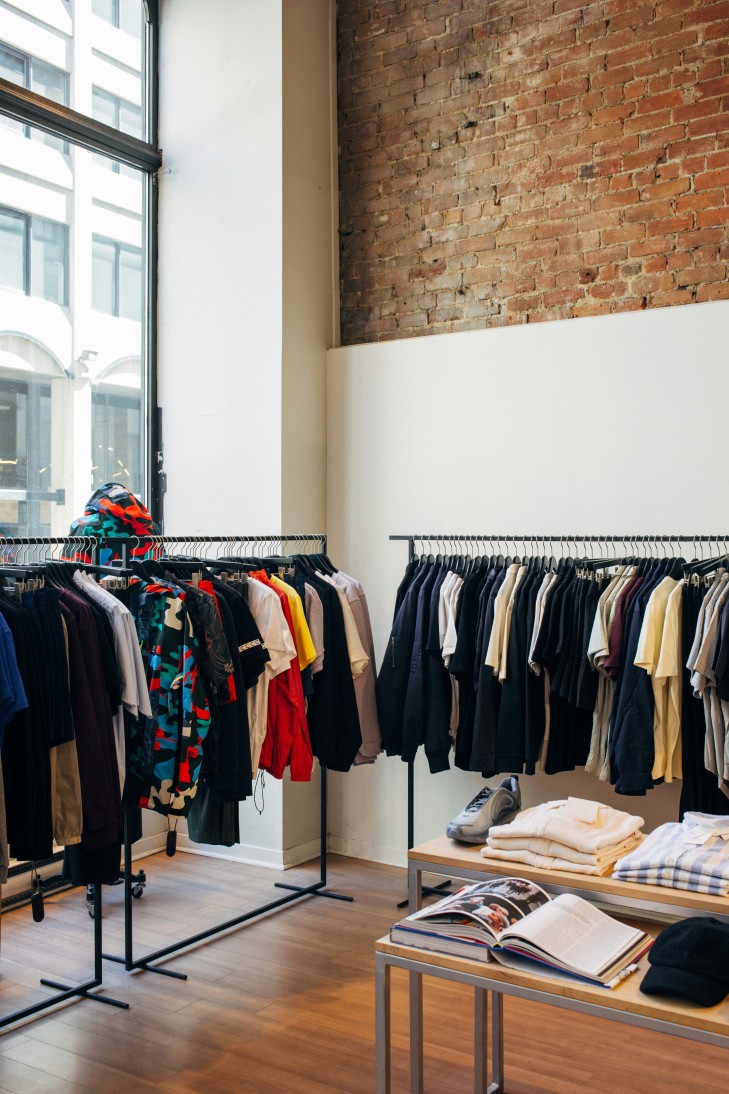
These are often quality garments made with the same fabrics, trims, labels, washes and production standards as full-price merchandise, but they missed the original selling window or no longer fit the brand’s assortment plan.
The real skill is knowing the fabrication, fit, size runs, colorways, seasonality, landed cost, and sell-through potential before deciding where the product belongs. A garment that looks like dead stock to one company can become a strong program when it is priced, assorted and placed correctly.
To me, off-price is not just discount retail. It protects value, reduces waste, supports retailers and factories and gives consumers access to quality fashion at a better price.
Sustainability has become a major theme in your work. How can fashion businesses reduce waste while remaining commercially successful?
I believe fashion businesses can reduce waste by being more disciplined with production planning, fabric buying, assortment building and inventory flow. A lot of waste are generated when brands overproduce, misread demand, or miss the selling window. In those cases, off-price becomes a practical solution here because it creates another route for garments that already exist and still have value.
I’ve seen how excess fabric, and cancelled garment production can be turned into strong programs when the styles are reworked, repositioned, or sold through the right channel. The key is understanding the features of the garments properly alongside the seasonality and sell-through potentials of them.
Sustainability has to make commercial sense as well. If the product is placed correctly, waste is reduced and the business still wins.
You’ve spoken about seeing opportunity where others see excess inventory or limitations. What mindset helps you identify value that many people miss?
My mindset is essentially to study the garment itself and start by looking at the reasons why the inventory became excess to begin with.
Was it due to slow moving colorways, broken size ratio, late delivery, missed season, poor assortment planning, or just the wrong retail channel ? Once I understand the reason, I can see whether the product is truly an issue or simply needs to be repositioned.
A plain fleece sweatshirt that missed one selling window can still work as a holiday program if the print, color and price point are right. A denim closeout can still perform well if the fit, wash, and size range make sense for the off-price customer. Sometimes the value is already there, it just needs the right buyer, assortment and story.
Consumer habits are changing rapidly through social media, economic pressures, and greater awareness around sustainability. What shifts do you believe will define fashion over the next five years?
I think consumers will become even more value-conscious, but they’ll also be more selective about what earns space in their closet. Social media will keep speeding up trend cycles, but people are also paying closer attention to quality, fabric hand-feel, fit, versatility and cost-per-wear.
I believe in the coming years, fashion will move toward smarter buying, tighter assortments, and more practical product categories that fit real life. Basics, denim, activewear, sleepwear and seasonless pieces will continue to matter because they have strong repeat value.
Brands and retailers will also have to be more careful with taking calculated risks when producing and forecasting. Off-price will remain important because it gives customers access to branded product and better-quality goods at a price that feels realistic. The winners will be the ones who understand both trend and sell-through.
You’ve been invited as a speaker and workshop leader to discuss the off-price fashion world. What message do you most want young entrepreneurs and women entering business to take away from your story?
I want them to know that you don’t need to start with the perfect title or the perfect showroom to build real expertise. My understanding of fashion came from being close to the actual product and the people behind it, factory conversations to buyer meetings to seeing what finally performs on the retail floor.
That kind of experience teaches you things no trend report can fully explain. You learn why one style gets picked up quickly while another doesn’t, or why a basic style garment are strong money-makers, and why the customer’s reaction matters more than your personal opinion. For young entrepreneurs entering business, my message is to understand your product deeply, not just the branding around it.
Know your customer, margin, and market. Don’t be afraid to trust what you’re seeing on the floor. In fashion, confidence comes from doing the work, reading the product properly, and being able to back up your decisions.
If you could change one thing about the global fashion industry tomorrow, whether related to sourcing, sustainability, perception, or opportunity, what would it be and why?
I would make the industry listen more closely to what customers actually buy, not just what looks good in a trend report or in our own personal taste. In fashion, it’s very easy for brand owners and designers to project what they like and assume the customer will feel the same way.
But just because I like knee length dresses with waist cut outs, for example, doesn’t mean that is what the mass market wants or what will sell across different regions, sizes, ages, and lifestyles. In off-price, you learn very quickly that the customer is practical. They care about price, quality, fit, fabric feel, brand name, and whether the item actually fits into their real life. A beautiful style can fail if the colorway is too narrow, the size ratio is wrong, the cut is too specific, or the fabric does not feel right on the body.
That is how garments become dead stock, not always because they are bad products, but because they were made without enough understanding of the end customer. At the same time, a basic fleece, denim, sleepwear set, or activewear piece can perform very well if it is priced, assorted, and placed correctly.
The customer often tells us through sell-throughs on where the opportunity is, but sometimes the industry does not always listen early enough.
From the editor….
For Kenchen Bharwani, the future of fashion is not about producing more. It is about understanding customers better, reducing unnecessary waste, and making smarter decisions across sourcing, production, and retail strategy.
As brands face growing pressure to balance sustainability with profitability, Kenchen Bharwani believes off-price fashion will continue to play a larger role in the global retail market. Her perspective reflects a broader industry shift where excess inventory is no longer viewed simply as leftover stock, but as an opportunity for innovation, repositioning, and commercial growth.