In today’s digital era, the Banking, Financial Services, and Insurance (BFSI) sectors find themselves at a significant crossroads. Faced with an explosion of data due to rapid digitization, these traditional pillars of the economy are confronted with a pressing need: to leverage technologies that enhance operational efficiency and cost-effectiveness. The answer might just lie in the emerging realm of AIOps, short for Artificial Intelligence for IT Operations.
AIOps platforms, typified by systems like AWS DevOps Guru, have been crafted to assist IT teams in the BFSI space. They’re designed to gather, scrutinize, and correlate vast troves of data stemming from a medley of sources, including IT logs, metrics, and events. The primary advantage? Harnessing this data to detect patterns and trends, which can dramatically expedite the identification and resolution of IT incidents.
At the heart of AIOps is a sophisticated blend of technologies—ranging from artificial intelligence (AI) and machine learning to natural language processing (NLP) and predictive analytics. Such a toolkit empowers AIOps platforms to automate a plethora of tasks. Whether it’s pinpointing unusual activities, relaying alerts, or even taking action against potential threats, the automation is often executed with minimal to no human intervention.
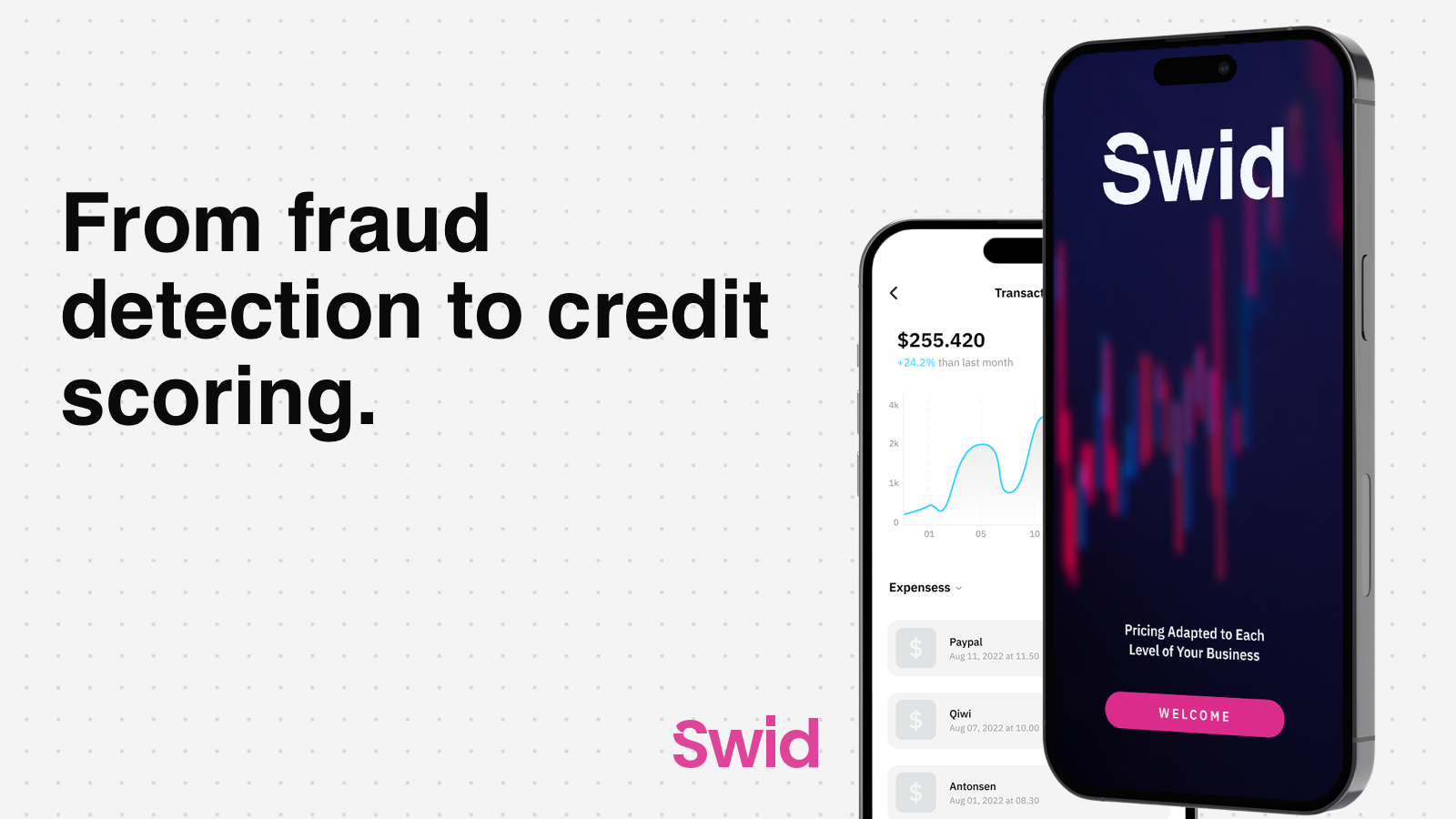
Within this transformative scenario, Swid, an innovative player in the fintech arena, has emerged as a visionary leader. Recognizing the potential of AIOps early on, Swid has seamlessly integrated it into its operational infrastructure. This strategic move isn’t merely about keeping pace with technological advancements. Instead, it’s rooted in Swid’s enduring mission to consistently offer premier, cutting-edge services to its diverse clientele.
With AIOps as a part of its arsenal, Swid is well-equipped to bolster the precision and agility of its IT responses, ensuring an unprecedented level of reliability and robustness in its systems. Moreover, it underscores Swid’s commitment to proactively addressing the unique challenges presented by the BFSI sector’s data-intensive environment.
However, a broader view of the BFSI landscape reveals a somewhat cautious approach toward AIOps adoption. While the advantages of AIOps are clear and compelling, widespread adoption is lagging. Factors like the inertia of legacy systems, apprehensions about AI’s lack of transparency, and the potential complexities of migration might be contributing to the hesitancy. Yet, as Swid exemplifies, those who dare to embrace AIOps stand to redefine industry standards and set new benchmarks of excellence.
In conclusion, the BFSI sectors are on the brink of a technological paradigm shift. As the challenges of digitization mount, so does the imperative to adopt dynamic, forward-thinking solutions. AIOps offers a promising pathway, and with industry leaders like Swid showcasing its profound impact, it’s clear that the BFSI world is poised for a transformative leap. The future beckons, and it’s evident that Swid, with its AIOps-driven approach, is already several steps ahead.