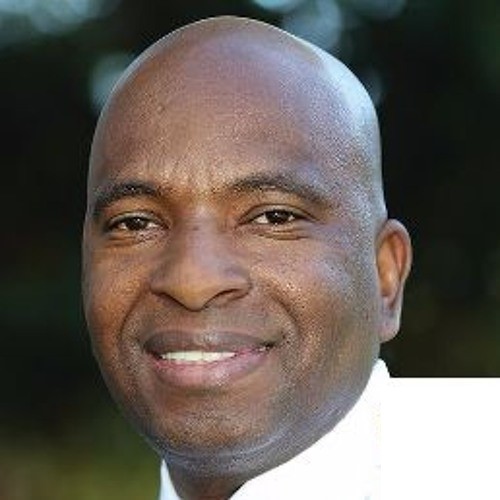
A Career Built Through Service and Responsibility
Colonel Nashid Salahuddin has built a career defined by steady progression, broad responsibility, and consistent focus on people and mission. Over more than three decades in uniform, his path through the United States Air Force and Air National Guard reflects a balance between operational leadership and institutional stewardship. From early personnel assignments to higher headquarters roles, his experience offers a clear example of how leadership develops through varied command environments and deliberate professional growth.
His service started as an enlisted member in the year 1990 and continued when he was commissioned as an officer e through the Academy of Military Science (AMS) in 1996. Having started his career as an enlisted member then transitioning to an officer allowed him to develop a perspective based on a thorough knowledge of how organizations operate, from the top down. This perspective continued to influence the way he led, held others accountable, and accomplished missions throughout his entire career.
Early Assignments and Foundational Leadership
Initial officer assignments placed Colonel Nashid Salahuddin in personnel and mission support roles within the Air National Guard. As a Personnel Officer and later Chief of Readiness, Plans, and Employment, he was responsible for aligning manpower, training, and readiness requirements. These early positions required close coordination with commanders and Airmen to ensure that units remained prepared to meet operational demands. They also provided exposure to the administrative systems that underpin operational success.
Command of the 159th Mission Support Flight marked an early leadership milestone. Leading an organization responsible for the personnel, human resources, and training needs demanded attention to detail and disciplined execution. The role reinforced the reality that mission success depends on effective support structures as much as on frontline operations. It also introduced the challenges of leading during periods of change and uncertainty, experiences that would later inform his approach at higher levels.
Command Experience Across Multiple Organizations
Subsequent command assignments expanded both scope and complexity. As Commander of the 913th Mission Support Flight and later senior roles within the 175th Wing, responsibilities grew to include oversight of larger teams and more complex mission sets. These roles required balancing daily operational needs with longer term planning, while maintaining readiness across multiple functional areas.
Service as Inspector General for the 175th Wing provided a different leadership lens. In that capacity, he assessed compliance, performance, and organizational health across the wing. The position required independence, fairness, and a strong ethical foundation. It reinforced the importance of standards and accountability while also highlighting the human impact of policy and process decisions.
Operational Leadership in a Deployed Environment
One of the most formative assignments came during deployment to Iraq as a Senior Advisor to the Iraqi Ministry of Interior. In this role, Colonel Nashid Salahuddin led a joint advisory team focused on strengthening border, port, and transportation security. The mission required collaboration with Iraqi leaders from the Ministry of Interior who operated outside the United States chain of command, demanding influence rather than authority.
The environment required patience, cultural awareness, and careful relationship building. Progress depended on trust and mutual understanding rather than directive leadership. The experience underscored that effective senior leadership often involves enabling others to succeed within their own systems. Lessons from this deployment continue to shape how he approaches collaboration, particularly in joint and interagency settings.
Transition to Strategic Level Responsibilities
Following deployment, assignments increasingly moved toward strategic planning and institutional leadership. Roles within the Maryland Joint Forces Headquarters and later the Pentagon involved planning, programming, and policy development. As a Senior Strategist in the Headquarters Air Force Directorate of Strategic Plans and Programs, he contributed to initiatives that aligned force structure, manpower, and resources with national defense priorities.
These assignments required translating broad guidance into executable plans while considering long term impacts on personnel and readiness. Exposure to enterprise level decision making reinforced the importance of clear communication and disciplined analysis. It also highlighted the interconnected nature of manpower, training, and operational capability.
Leadership in Human Capital Management
A defining theme of his career has been focus on human capital. As Division Chief for Manpower and later Recruiting and Retention at the Air National Guard Readiness Center, he addressed workforce challenges affecting the entire force. These roles involved analyzing trends, identifying bottlenecks, and implementing policy adjustments to improve staffing and readiness.
One measurable outcome from this period was a significant reduction in hiring timelines at headquarters level organizations. By streamlining processes and eliminating redundant steps, the time required to fill critical positions was reduced by approximately half. This improvement directly enhanced readiness by ensuring that key roles were filled more quickly.
Another notable effort addressed pilot training capacity during a period of constrained resources. Coordinating across multiple organizations, he helped secure additional manpower to sustain training pipelines, preventing delays that could have affected operational units. These actions demonstrated how targeted personnel decisions can protect mission outcomes during periods of stress.
Command at the Group Level
Command of the 175th Mission Support Group represented a return to large-scale operational leadership. Responsible for supporting wing level missions, he oversaw logistics, personnel, communications, and security functions. The position required constant coordination with flying units, maintenance organizations, and external partners.
During this period, emphasis was placed on readiness, workforce development, and alignment of resources with mission priorities. The experience reinforced the importance of cohesive teams and clear expectations. It also provided opportunities to mentor emerging leaders and prepare them for increased responsibility.
Senior Advisory and Enterprise Leadership Roles
Later assignments as Air National Guard Advisor to the Air Force Personnel Center and Deputy Director for Manpower, Personnel, Recruiting, and Services for the Air National Guard further expanded influence. These roles involved advising senior leaders on policy and implementation issues affecting the entire Guard. They required balancing competing priorities while maintaining focus on readiness and force sustainability.
Current Role and Mission Focus
As Director of Air National Guard Human Resources, he now oversees the human capital needs of approximately 1,800 military and civilian personnel at headquarters level. In this role, he established a clear mission statement centered on placing the right people in the right positions at the right time, ensuring readiness through training, and deliberately developing leaders for future challenges.
The position requires integrating policy, process, and people considerations across the organization. It also demands constant engagement with senior leaders and frontline personnel to understand emerging needs. The role reflects the culmination of decades of experience across operational, strategic, and advisory assignments.
Leadership Philosophy in Practice
His leadership philosophy emphasizes adaptability, accountability, and respect for the individual. Experience across varied commands reinforced that no single leadership style fits every situation. Instead, effective leaders assess the mission, the team, and the environment before determining how best to lead.
Mentorship plays a central role in this approach. By tailoring guidance to individual goals and circumstances, he seeks to develop Airmen and civilians who are both competent and confident. This focus on people reflects understanding that long term readiness depends on deliberate leader development as much as on equipment or policy.
Ethical leadership also remains central. Decisions are guided by integrity and constitutional responsibility, with emphasis on doing what is right regardless of visibility. This commitment reinforces trust within organizations and ensures that standards are applied consistently.
Education and Professional Development
Formal education supported career progression and leadership development. Academic credentials include a Bachelor of Science in Workforce Education and a Master of Science in Information Systems. Professional military education spans Air War College and advanced national security programs.
Additional coursework in leadership and joint command further broadened perspective. These experiences complemented operational assignments by providing frameworks for strategic thinking and organizational leadership. Continuous learning remained a priority throughout the career, reinforcing that leadership development does not end with promotion.
Measured Impact and Recognition
Recognition throughout his career reflects sustained contribution rather than isolated achievement. Awards such as the Legion of Merit and multiple Meritorious Service Medals acknowledge consistent performance across demanding assignments. These honors align with a philosophy that views recognition as a byproduct of team success rather than a personal objective.
A Career Defined by Stewardship and Service
Colonel Nashid Salahuddin’s career demonstrates how leadership evolves through experience, reflection, and responsibility. Progression from tactical roles to strategic leadership illustrates the importance of adaptability and continuous development. His work underscores that mission success relies on aligning people, processes, and purpose.
Across commands, deployments, and headquarters assignments, the consistent focus has remained on readiness, ethical leadership, and development of future leaders. The result is a career that reflects stewardship of the institution and commitment to service above self.