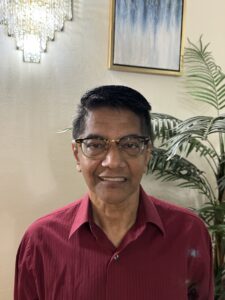
Christopher Leroi has spent more than two decades working across courtrooms, policy spaces, and mediation rooms. His career reflects a consistent focus on fairness, access, and practical outcomes. As a former judge, prosecutor, and public policy leader, he brings a broad perspective to dispute resolution. Today, that perspective is shaping how virtual mediation is helping individuals and organizations resolve conflict more efficiently and more equitably.
The practice of attorney Christopher Leroi is based upon one major tenet, namely, that the resolution of conflicts should not be determined by where you live, how much money you have, or your access to traditional legal systems. In Leroi’s opinion, virtual mediation presents a viable means to increase access to, as well as remove traditional barriers to, mediation.
Expanding Access Through Virtual Mediation
Virtual mediation has changed how disputes are handled. It allows participants to engage in the process without needing to travel, take extended time away from work, or manage logistical challenges that often prevent participation.
Leroi explains that removing these barriers can directly improve engagement. When individuals can join from their own environment, they are often more comfortable and more willing to participate in meaningful dialogue. That comfort can lead to better communication and more productive outcomes.
This change can have significant positive effects on people who live in areas with little access to services; they are typically more likely than the general population to require legal services due to their location or lack of financial means. By utilizing virtual mediation, these individuals will have fewer barriers to accessing legal services, both financially and in terms of availability.
For Leroi, this reflects a broader commitment to access to justice. His career has focused on protecting vulnerable populations and supporting systems that make legal processes more accessible. Virtual mediation aligns with that work by creating a more inclusive path to resolving disputes.
A Foundation Built on Judicial Experience
Leroi’s experience on the bench plays a central role in how he approaches mediation. As a judge, he developed a clear understanding of how disputes evolve and how decisions affect the people involved.
That experience informs his work as a mediator. He brings structure and discipline to each session, grounded in fairness and impartiality. His ability to assess credibility, manage complex interactions, and maintain composure in high conflict situations allows him to guide discussions in a productive direction.
At the same time, mediation requires a different approach than the courtroom. Instead of issuing decisions, Leroi focuses on facilitating dialogue. His role is to help parties reach their own agreements.
This balance between structure and flexibility is essential. It allows him to create an environment where participants feel supported while still being accountable to the process.
Active Listening as the Core of Resolution
Active listening is central to Leroi’s approach. He views it as the foundation of effective mediation. Many disputes continue not because parties cannot reach agreement, but because they do not feel heard.
By focusing on both what is said and what may be driving the conflict beneath the surface, he is able to identify underlying interests and concerns. These factors often shape the dispute more than the stated positions.
Active listening also reduces defensiveness. When individuals feel acknowledged, they are more open to considering different perspectives. This shift can move a conversation from disagreement to problem solving.
Leroi applies this approach across all types of cases. Whether working with individuals or organizations, the need to feel understood remains consistent.
Tailoring Mediation for Different Contexts
Christopher Leroi’s attorney work reflects an ability to adapt based on the situation. Mediation requires more than a standard process. It requires an understanding of context and the priorities of those involved.
When working with individuals, Leroi focuses on building trust. Many individuals enter mediation carrying emotional concerns. Creating a space where they feel respected and understood is essential.
In organizational settings, the focus often shifts toward structure and efficiency. Businesses are typically concerned with risk, cost, and operational impact. Leroi aligns the process with these priorities while still addressing interpersonal dynamics.
This adaptability allows him to work effectively across a wide range of disputes. It also reflects his broader experience across legal and policy environments.
Efficiency Compared to Traditional Legal Processes
One of the most significant advantages of virtual mediation is efficiency. Traditional litigation can be time consuming and expensive. It often involves multiple stages, extensive documentation, and long delays.
Mediation offers a more focused alternative. Virtual formats improve that efficiency by removing logistical barriers. Scheduling becomes easier, and sessions can be conducted without physical travel.
Leroi emphasizes that efficiency does not come at the expense of effectiveness. Virtual mediation can be just as productive as in person sessions when it is managed properly. The key is maintaining structure and ensuring active participation.
This approach can lead to faster resolutions and lower costs. It also allows parties to move forward more quickly, reducing the impact of prolonged disputes.
Addressing Misconceptions About Mediation
Mediation is often misunderstood. Some view it as a less formal version of litigation. Others assume it only works when parties are already willing to agree.
Leroi explains that mediation is a distinct process. It focuses on collaboration rather than adjudication. The mediator does not impose a decision but helps facilitate a structured discussion.
He also notes that many successful mediations begin with significant disagreement. The process is designed to work through conflict. By focusing on interests rather than positions, mediation can lead to practical and durable outcomes.
Virtual mediation expands access to this process. It allows more individuals and organizations to participate, even when traditional options are not available.
Managing Resistance and Building Trust
Resistance is a common part of mediation. Parties may hesitate to compromise due to concerns about fairness or risk. Leroi views resistance as an opportunity to better understand the dispute.
He uses targeted questions to explore what is driving each party’s position. This helps shift the conversation toward broader goals and potential solutions.
Building trust is also critical. Leroi maintains neutrality by treating all parties with equal respect and ensuring that each perspective is heard. At the same time, he actively guides the process.
This balance allows him to support productive dialogue without influencing the outcome. It reinforces confidence in the process and helps participants engage more fully.
A National Perspective on Conflict Resolution
Leroi’s experience across multiple states adds depth to his work. He has engaged with different legal systems, policy frameworks, and communities. This provides insight into how dispute resolution needs can vary.
Virtual mediation supports this broader perspective. It allows him to work with clients regardless of location. This is especially valuable for organizations that operate across state lines.
It also benefits individuals who may not have access to local mediation services. By combining experience with a flexible format, Leroi is helping to create a more connected approach to conflict resolution.
Preparing Clients for Meaningful Outcomes
Preparation plays an important role in successful mediation. Christopher Leroi encourages clients to approach the process with clarity. This includes understanding their goals, identifying areas of flexibility, and considering potential risks.
He also emphasizes mindset. Mediation works best when participants are willing to listen and engage. Clients who approach the process with this perspective are more likely to achieve constructive outcomes.
Virtual mediation can support this preparation. Participants have more flexibility to review information and prepare before sessions. This contributes to a more focused and productive process.
The Broader Impact of Accessible Mediation
The growth of virtual mediation reflects a broader shift in how disputes are resolved. It moves away from systems that are limited by geography and toward models that prioritize accessibility.
For Leroi, this shift is closely connected to access to justice. When more people can participate in mediation, more disputes can be resolved in a fair and collaborative way.
His work demonstrates how legal experience and thoughtful practice can support this goal. By focusing on listening, neutrality, and practical solutions, he is helping to expand access to conflict resolution.
This approach applies across many sectors, including healthcare, employment, and business disputes. In each case, effective resolution can have a meaningful impact.
A More Accessible Future for Conflict Resolution
Attorney Christopher Leroi’s perspective reflects a clear direction for the future of mediation. Virtual formats represent a lasting shift in how access to conflict resolution is defined.
By removing barriers and improving efficiency, virtual mediation is expanding opportunities for individuals and organizations. Leroi’s work highlights how experience and a commitment to fairness can shape that process.
There is a growing desire among many people for alternative dispute resolution methods, compared to using the traditional courts and civil justice system. Consequently, it will be important for mediation to remain a viable means of alternative dispute resolution for all individuals, in a way that creates an alternative system that better meets the needs of the parties involved in a dispute, and will be more inclusive of all parties involved.