While it’s becoming more and more difficult to blur national, political, regional and religious divides, those boundaries are more pronounced, but artforms give us the license to burn all lines and divisions that build dams between free flowing flourishes; seamlessly melding all there is and all there isn’t and all there can be. A complete collision of all artistic forces, melting into infinity, some sucked, some expelled, some floating particles, some roaring, some drowning, all whizzing past like shooting stars, and at times, like artistic morons.
When artists make it possible to blur the boundaries between all art forms, they are blurring boundaries between art and life itself, all at ebbs and flows, consumption of too much could leave one delirious, and the artist a mere vessel for human picketing.
As writers of historical novels often profess, it is endlessly intriguing to play with how to entwine fact into art. The grand tapestry of the past is woven with so many richly colorful and textured threads of seamlessly sown forms of art, that it helps us understand the present in full color. And so, while adding real historical events and real historical figures help all forms of art, though, for the most part, they only play the role of “secondary characters,” adding depth and nuance conceived entirely through a vivid and wide artistic imagination. This devious, rich pasture of art brings to life the past and makes our present more meaningful, living an artistically flourishing life for all artists, becomes a matter of immensity and immeasurable historical and artistic importance.
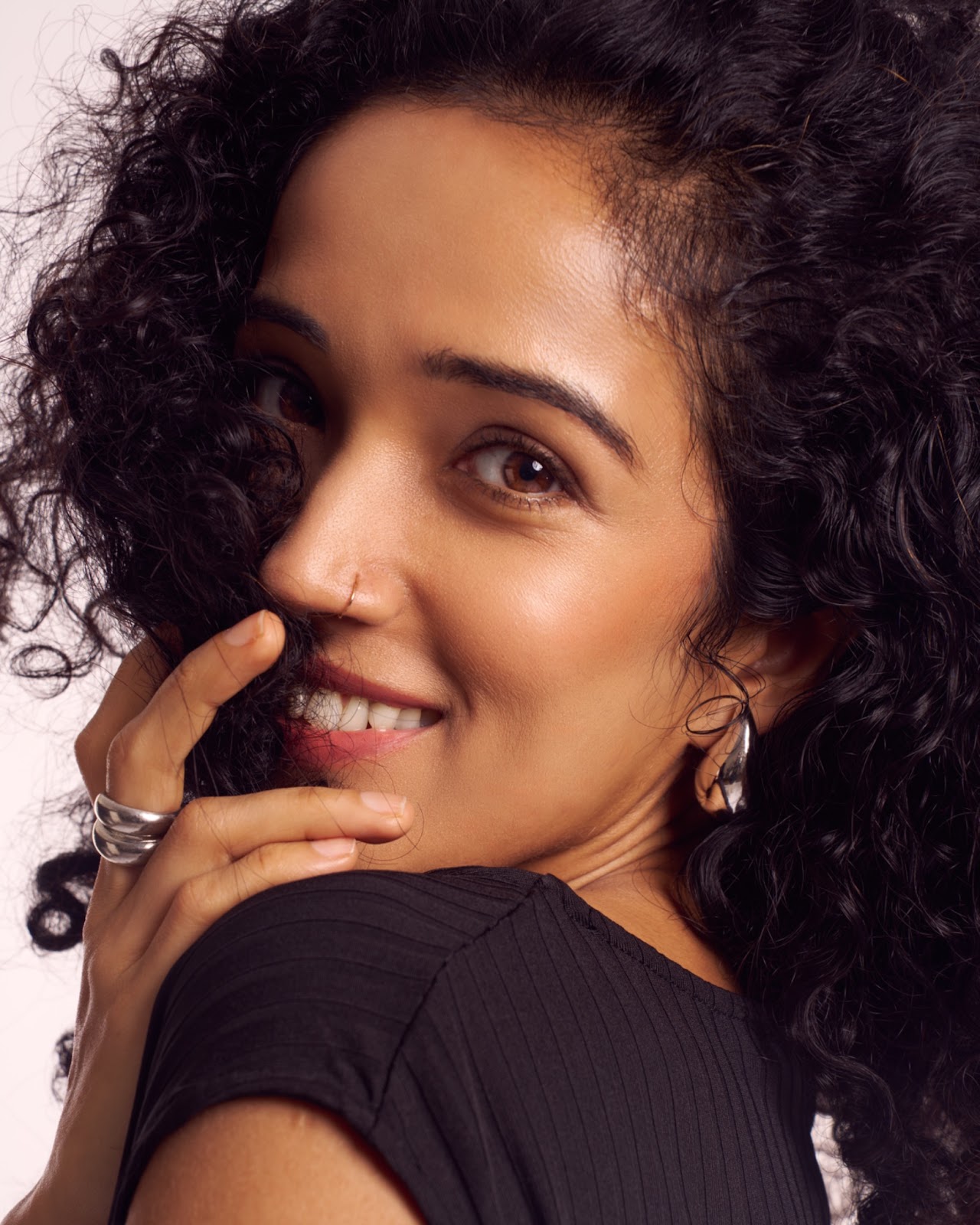
Devangana is one such artist we’ve known for long, she used to be at the Columbia University Campus, up by 121 and Broadway, during the time of the Global Financial Crisis of 2009, when the city was humouring each other into revival in a variety of knows. She was often seen passionately critiquing films and art at Tribeca, Harlem and the East Village through that time. She is now back in India, blurring lines of art across genres, as we would’ve liked to see known.
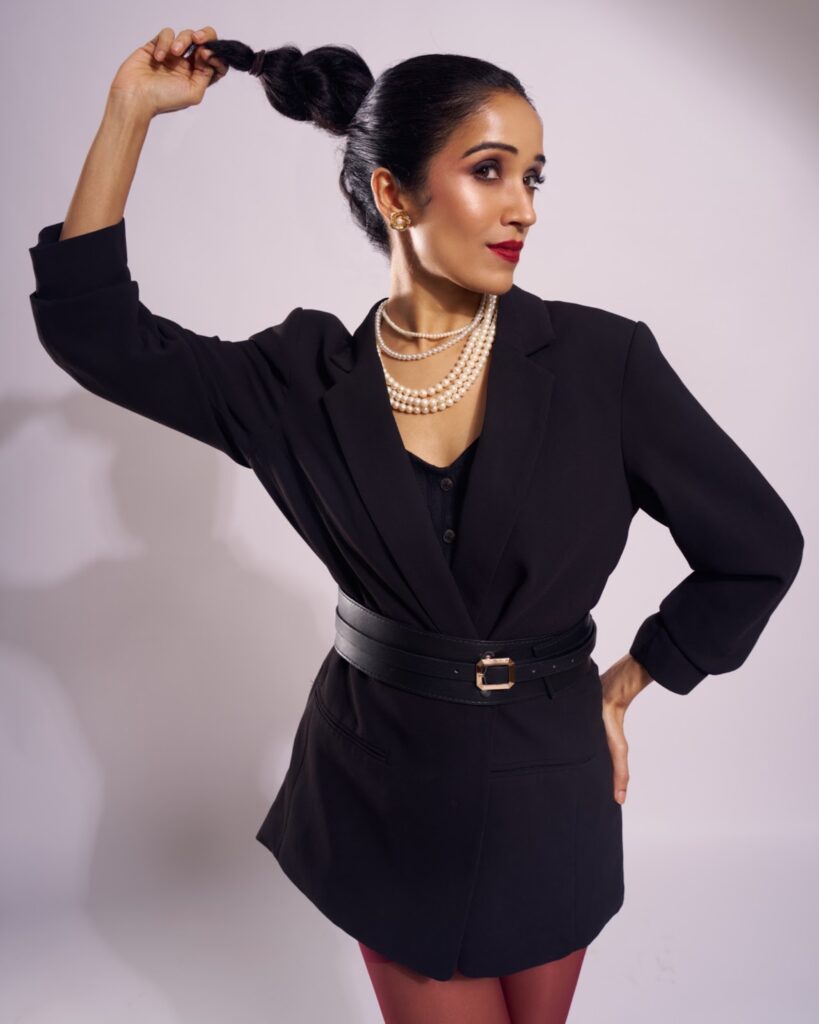
Her second book of verses read like an Urdu magazine from the 1960s, and her nose ring, her easy art, her writing, her nonchalance keep us finger tipping, wondering what thread she’ll put through which cloth and emerge it out of where artistically blurring divides. We love how she paints across forms, genres, colors, and fine lines of divide that keep humans as artists, inches away from us, inches away from a sense of art, inches away from ‘ohm’, from settlement and completion.