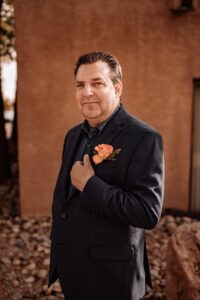
Blaine Tanner started at the bottom of a plastics plant in Canada. No fancy title. No clear roadmap. Just work that needed doing. He climbed his way up to executive leadership, helped guide the company through a sale to Menasha Corporation, and kept an ownership piece for himself.
Then he went and did it again. He built his own plastics company from scratch, sold that one too and jumped into sustainable materials after that. He started an investment fund, packaged financial deals and took them to Wall Street. Retired eventually and picked up a third-degree black belt in Taekwondo somewhere along the way.
“The most important lesson I learned is simple: never give up,” he says. “If you truly believe in an idea or a path, you have to pursue it with conviction, regardless of the obstacles.”
That conviction carried him through markets that shifted, partnerships that required recalibration, and stretches where the path forward wasn’t obvious.
He’s rebuilt more than once. Not because someone forced him to, but because he saw something worth pursuing and couldn’t let it go. Plastics taught him how to scale. Sustainable materials showed him innovation. Finance taught him patience. The rough patches in between? Those taught him resilience.
Blaine Tanner doesn’t credit luck. He talks about people, about process, about showing up even when nobody’s paying attention, about hiring folks who know their stuff and actually care and about trusting your gut but doing due diligence anyway.
His story isn’t one big moment. It’s a bunch of smaller ones: Showing up. Adapting. Refusing to quit when it got messy.
Starting Out in Manufacturing
Blaine Tanner Arizona got into plastics manufacturing without much fanfare. He’d thought about professional hockey for a while but decided on business instead. Got his degree, took a job at a small company that gave him space to figure things out.
He learned the business by actually doing it. Production lines. Supply chains. Tight margins. Customer complaints. The boring stuff that makes or breaks a company. The kind of work that doesn’t look impressive on paper but teaches you everything you need to know about how businesses actually run.
That first company did well under his watch. When Menasha Corporation wanted to buy it, he helped make the deal happen while keeping an ownership position. It was a good exit that set him up for what came next.
Most people would’ve called it a win and moved on, he didn’t. He started his own plastics operation with modest beginnings and one clear goal: build something that lasts. Not flashy. Just solid business that could handle market changes, grow smartly, and create actual value.
Ten years later, he’d taken it from $500,000 to $25 million. That kind of growth takes discipline, smart people and the willingness to change course when you need to.
“I’ve always believed that success starts with people,” he says. “Surrounding yourself with individuals who are not only highly capable but also bring strong character and positive energy is critical.”
He built teams that worked. People who showed up ready to solve problems, not create them, who understood that excellence wasn’t about perfection but about consistent effort toward being the best.
Learning to Adapt Across Borders and Industries
After selling his company, Blaine Tanner could’ve been done. He wasn’t. He kept exploring different markets, different countries, industries he knew pieces of but not the whole picture.
Working internationally changed how he thought about business. Different rules. Different cultures. Different expectations about how partnerships work and what execution looks like. The basics stayed the same, but nothing else did.
“Working across different countries and markets taught me that the world is far more connected than it appears,” he says. “Challenges don’t disappear when you change environments. You carry your experiences and mindset with you.”
That mindset became useful. He started looking at opportunities differently. Not just whether they’d work right now, but whether they fit into bigger trends. Whether they could scale. Whether the partnerships made sense beyond the paperwork.
The move into sustainable materials made sense when you looked at it that way. He knew manufacturing inside and out. Markets were shifting toward environmental responsibility. Companies needed solutions that worked operationally and made sense environmentally. He partnered with a technology firm to develop a sustainable materials line, bringing his operational know-how and letting them handle the technical side.
It worked because he didn’t pretend to know everything. He knew what he was good at, found people to fill in the rest, and got it done. That partnership model became a pattern: Identify the gap. Find the right people. Execute with clarity.
The sustainable materials venture reinforced something he’d learned early: innovation doesn’t always mean inventing something new. Sometimes it means taking what exists and applying it differently.
Making Deals on Wall Street
Getting into investment fund management was different. Blaine Tanner Arizona started a fund buying and improving long-term lease assets. The whole model revolved around credit enhancement and packaging, then selling those assets on Wall Street.
It was not easy work. You need to understand financial structures, risk, and what investors actually want. Detail level most people never touch. He approached it the same way he’d approached manufacturing: learn the fundamentals, hire smart people, execute with discipline.
“I would describe my leadership style as a balance between a light touch and hands-on involvement when necessary,” he says. “I trust capable people to do what they do best, but I remain engaged in key decisions.”
The fund worked because he was selective, didn’t chase every deal, didn’t let ego make decisions. He listened, did his homework, and moved when things felt right. That meant walking away from opportunities that looked good on the surface but didn’t hold up under scrutiny.
Due diligence became almost obsessive. He’d learned the hard way that what people said and what the numbers showed weren’t always the same thing. So he checked, double-checked, asked questions that made people uncomfortable. Better to walk away from a deal than to commit to one that would blow up later.
Blaine Tanner’s Lessons From Rebuilding
Not everything went smoothly. Blaine Tanner hit stretches where rebuilding wasn’t a choice. Where moving forward meant starting over with less money, less certainty, and more questions.
Those times taught him what resilience actually means. It’s not bouncing back instantly or acting like setbacks doesn’t sting. It’s refusing to let difficulty become a reason to quit.
“Difficult periods can either define you or refine you, and I chose to view them as opportunities to rebuild stronger and smarter,” he says.
That took tools; strategic thinking, financial discipline, managing relationships and using everything available instead of sticking to what felt comfortable. He focused on solutions, not problems. On what he could control.
Experience changed how he thought about trust too. “Experience has taught me to approach trust thoughtfully and with a degree of caution,” he says. “While relationships are essential in business, I believe in taking the time to evaluate people and situations carefully.”
Those rebuilding periods also clarified what mattered. Stripped away the noise. Forced him to get honest about what he actually wanted versus what he thought he was supposed to want.
What’s Ahead
Retirement hasn’t meant disappearing. Blaine Tanner stays involved in his community, supporting causes that matter to him. “Giving back is something that brings me a great deal of personal fulfillment,” he says. “Supporting meaningful causes and contributing to the community provides a sense of purpose beyond business.”
He brings the same discipline to his personal life. That black belt didn’t happen overnight. It took years of practice, slow progress and not quitting when it got frustrating. The same principles that built businesses built that achievement.
Looking ahead, he knows what matters now. Balance, experiences that mean something. He’s open to the right business opportunity if it shows up. “Professionally, I remain open to the right opportunity—something impactful that aligns with my experience—perhaps even one more significant deal that brings everything full circle.”
That openness reflects a broader philosophy. He’s done chasing for the sake of chasing. But if something meaningful presents itself, something that aligns with what he’s learned and where he wants to go, he’s not going to ignore it just because he’s technically retired.
For people facing their own struggles in business, his take is straightforward. “Use every tool available to you and stay focused on solutions rather than obstacles,” he says. “Setbacks are inevitable, but persistence is what separates those who succeed from those who don’t.”
That persistence built a career across manufacturing, sustainable innovation, and structured finance. Created businesses that employed people and generated value, carried him through market shifts and times when he had to rebuild from nothing.
Blaine Tanner didn’t build his career on one big break. He built it by showing up, adapting when he needed to, and not quitting when things got tough. That’s what stuck. That’s what mattered.