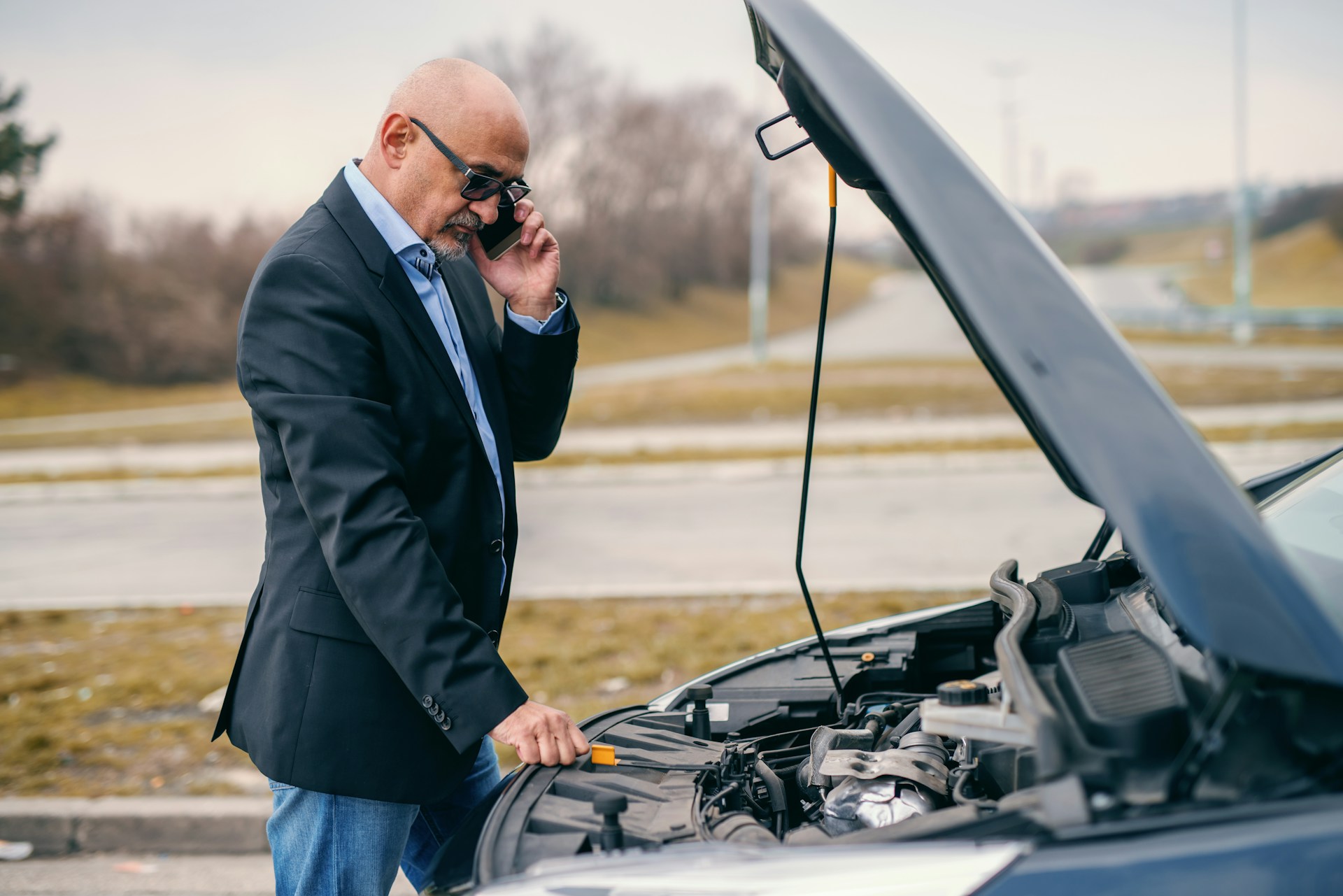
A car breaking down can be a stressful and inconvenient experience, especially if you are unsure of what to do next. Whether you’re stranded on a highway or stuck in a parking lot, knowing how to respond can make all the difference in ensuring your safety and minimizing further damage to your vehicle.
Here’s a step-by-step guide on what to do if your car breaks down:
1. Stay Calm and Assess the Situation
According to Shayan Auto Parts when your car breaks down, it’s important to remain calm. Panicking won’t help, and staying composed will allow you to think clearly and make the right decisions. Try to identify any symptoms your car is showing, such as unusual noises, steam coming from the hood, or warning lights on the dashboard. This will help you describe the issue when you seek professional help.
2. Pull Over to a Safe Location
If your car begins to malfunction while you’re driving, your first priority is to get to a safe location. Turn on your hazard lights immediately to alert other drivers. If possible, pull over to the side of the road or into a nearby parking lot. Make sure you stop in a well-lit area if it’s nighttime and avoid stopping on curves or in blind spots.
On highways, try to exit if you’re close to an off-ramp. If you can’t reach an exit, pull over as far to the right as possible, ensuring you are away from oncoming traffic.
3. Turn on Hazard Lights
Once you’ve pulled over, keep your hazard lights on to signal to other drivers that your vehicle is stationary and there is a problem. This is especially important in low-visibility conditions, such as rain, fog, or nighttime driving, as it helps prevent accidents.
4. Stay Inside the Car if It’s Safe
In some situations, such as on busy highways, it’s safer to remain inside the car with your seatbelt fastened. Exiting your car can be dangerous, especially if there is a lot of fast-moving traffic. Keep your doors locked, roll up your windows, and remain inside while waiting for assistance, particularly if you’re in an area that doesn’t feel safe.
If you must leave your car, get out from the side that is away from traffic and move to a safe area, such as behind a guardrail or further off the road.
5. Call for Help
Once you are safely off the road, it’s time to call for assistance. Depending on your situation, you may need to contact a roadside assistance service, a towing company, or a trusted mechanic.
- Roadside Assistance: If you have a roadside assistance plan (through your insurance, vehicle manufacturer, or third-party service like AAA), now is the time to call them. They can help with jump-starts, flat tires, fuel delivery, or towing your car to a repair shop.
- Towing Service: If roadside assistance isn’t available or you need a tow, contact a local towing company. Make sure to ask about rates and where they will take your vehicle.
- Mechanic: If you suspect the problem is serious but you’re not sure, calling your regular mechanic can help you understand the issue and decide on the next steps.
6. Use Emergency Tools
If your car breaks down and you have some basic tools on hand, you may be able to handle minor repairs yourself. Here are a few common tools and equipment that can help:
- Spare Tire and Jack: If you have a flat tire and know how to change it, you can install the spare tire yourself. Make sure the vehicle is on a level surface before starting.
- Jumper Cables: If your car won’t start due to a dead battery and another vehicle is willing to help, jumper cables can be used to jump-start your car.
- Emergency Kit: Every car should have an emergency kit, which includes items like flares, a flashlight, a first-aid kit, and reflective triangles to alert other drivers of your presence.
7. Stay Visible and Signal for Help
If you’re stuck in a location where your car might not be easily visible, use reflective triangles, flares, or even a bright piece of cloth tied to your antenna or door handle to alert other drivers. These items can help prevent accidents and signal to other motorists that you need assistance.
8. Wait for Help to Arrive
After taking the necessary precautions and contacting help, it’s time to wait. While you wait, avoid unnecessary movements around the vehicle, especially if you’re on a busy road. If it’s hot or cold outside, run the engine occasionally to regulate the temperature, but be mindful of fuel levels and ventilation if you’re in a confined space.
9. Know Your Vehicle’s Insurance Coverage
It’s important to be aware of your car insurance coverage, particularly when it comes to roadside assistance and towing services. Some insurance policies include these services, while others require additional coverage. Knowing the details of your insurance policy can save you money and stress during a breakdown.
If you frequently drive long distances or in remote areas, consider adding roadside assistance coverage to your insurance. This service can provide peace of mind and quick access to help when you need it most.
10. Prevent Future Breakdowns
Once your car is repaired, take steps to prevent future breakdowns. Regular maintenance, such as oil changes, tire rotations, and fluid checks, can help keep your car running smoothly. Pay attention to warning lights and unusual noises, and address minor problems before they escalate into major issues.
Here are some preventive maintenance tips:
- Check your tires: Ensure your tires are properly inflated and have sufficient tread. Rotate them regularly to avoid uneven wear.
- Monitor fluid levels: Check the levels of engine oil, coolant, brake fluid, and transmission fluid to prevent overheating or mechanical failures.
- Replace worn parts: If your mechanic recommends replacing parts such as the battery, belts, or spark plugs, don’t delay these repairs, as they can prevent unexpected breakdowns.
- Test your battery: Car batteries typically last 3-5 years, but extreme temperatures can shorten their lifespan. Have your battery tested regularly to avoid sudden failures.
Conclusion
Dealing with a car breakdown can be frustrating, but staying calm, prioritising your safety, and knowing what steps to take can help you navigate the situation smoothly. Whether it’s a minor issue like a flat tire or a more serious mechanical failure, being prepared and knowing who to call for help can make a big difference. Make sure to keep your emergency kit stocked and your car well-maintained to reduce the risk of future breakdowns.