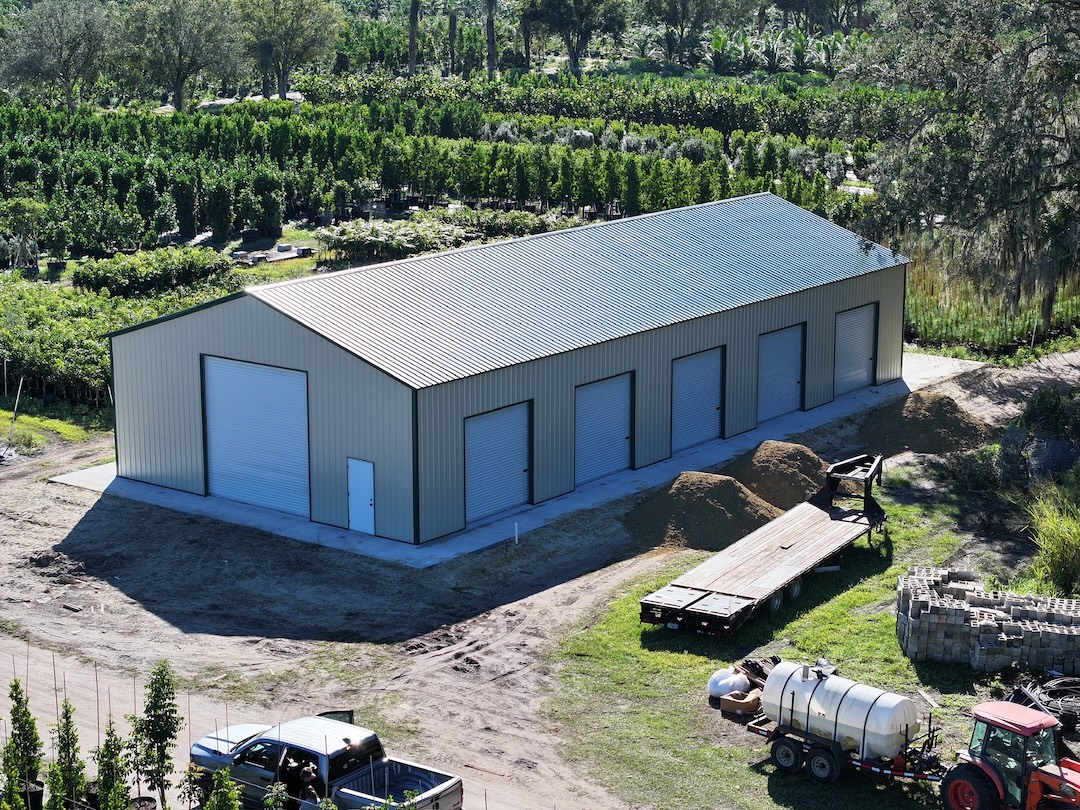
Choosing a steel building provider is a significant decision for businesses, property owners, and developers. Steel structures often serve as long-term investments, supporting operations such as manufacturing facilities, agricultural storage, workshops, commercial spaces, and custom residential projects. Because of the scale and permanence of these projects, buyers typically conduct extensive research before committing to a contractor. They examine company experience, construction processes, and real customer feedback to determine which provider can deliver both quality and reliability.
For many buyers, online feedback plays a central role in that evaluation process. Potential clients frequently review project portfolios, request consultations, and read US National Steel reviews to understand how previous customers experienced the design and construction process. Reputation often reflects whether a company consistently delivers on timelines, communication, and structural quality.
A reliable provider must demonstrate more than technical capability. Clients want confidence that their project will be engineered correctly, managed efficiently, and completed with careful attention to detail. Companies such as US National Steel have built their reputation by focusing on construction standards, clear project coordination, and a process designed to deliver dependable outcomes for each client.
What Customers Look for in a Steel Building Provider
Before beginning any construction project, property owners typically evaluate several key factors that influence the success of a steel building project. Reliability, experience, and project planning often rank among the most important considerations.
First, experience plays a critical role in managing complex construction projects. Steel buildings require detailed engineering, proper material selection, and careful installation to meet structural requirements. Providers with years of industry experience are often better prepared to anticipate challenges and guide clients through design decisions. Companies that work regularly across multiple building types tend to develop systems that streamline planning and reduce costly mistakes.
Another major factor is project scheduling. Construction timelines affect budgets, operational planning, and financing. Clients typically want a provider that offers realistic timelines and clearly communicates how long each phase of construction will take. Reliable contractors understand the importance of coordinating materials, crews, and site preparation in a way that keeps the project moving forward.
Code compliance and engineering standards also influence decision making. Steel structures must meet local building regulations, wind-load requirements, and structural safety guidelines. In states with strict building codes such as Florida, engineering considerations are especially important. Companies with experience working within these regulations can ensure that each structure is designed and installed to meet all applicable standards.
Finally, transparent communication often determines whether the construction process feels manageable or stressful for clients. Many property owners are managing a steel building project for the first time. They rely on the provider to explain technical requirements, answer questions, and clarify each step of the process. Providers who communicate clearly during planning, design, and installation help clients feel confident about their investment.
The Importance of Quality Workmanship in Steel Construction
While engineering and design are essential components of steel construction, workmanship during installation ultimately determines how well the structure performs over time. Even the most carefully designed building can experience problems if installation procedures are not followed correctly.
Steel buildings depend on precise assembly. Structural components must be aligned correctly, connections must be secured according to engineering specifications, and the entire structure must be erected according to safety and structural guidelines. Experienced crews understand how to handle these technical requirements while working efficiently on active job sites.
Quality workmanship also influences long-term durability. Steel is known for its strength and resistance to common structural problems such as termites, rot, and fire. When properly installed, steel buildings can deliver decades of reliable performance while requiring relatively minimal maintenance. However, achieving that level of durability requires careful attention to installation details.
Experienced providers focus on preparation before construction begins. Site readiness, material protection, and equipment planning all contribute to smoother installation. Skilled crews also follow safety procedures and proper construction practices to ensure that the finished structure meets both engineering expectations and building code requirements.
For property owners, the result is a structure designed to perform reliably for many years. Quality workmanship not only protects the investment but also contributes to the overall safety and usability of the building.
Communication and Project Transparency
Construction projects often involve multiple moving parts, including engineering design, material delivery, site preparation, and installation scheduling. Without clear coordination, delays and confusion can quickly develop.
Strong communication practices help prevent these issues. Clients generally expect regular updates about project milestones, delivery timelines, and installation schedules. Providers that establish clear expectations early in the process can minimize misunderstandings later.
Transparency also helps clients understand the reasoning behind key design decisions. Steel building projects frequently involve technical considerations such as structural thresholds, material selection, and engineering requirements. When providers explain these factors clearly, clients can make more informed choices about layout, building size, and budget.
For example, certain design dimensions may trigger additional engineering requirements or structural reinforcements. When contractors communicate these thresholds during the design phase, clients can evaluate whether adjusting the building size could reduce costs or better align with their project goals.
Coordination between suppliers, project managers, and installation crews also plays a major role in project transparency. Construction timelines often depend on accurate scheduling of materials and labor. When providers maintain close communication with suppliers and field crews, they can offer clients a more realistic view of when each stage of the project will occur.
Ultimately, open communication helps reduce stress for property owners and ensures that the project progresses according to plan.
Delivering Consistent Results Across Projects
Consistency is one of the defining qualities of a reliable construction company. While every building project has unique requirements, the underlying processes that guide planning, engineering, and installation should remain dependable across different job sites.
Experienced steel building providers often rely on structured project management systems to maintain that consistency. Detailed planning, internal quality checks, and clearly defined team roles help ensure that each project receives the same level of attention and oversight.
Internal coordination is especially important for projects that involve many individual components. Steel building packages can include numerous structural elements, hardware components, and design specifications. Managing these details requires careful review to ensure that the final construction matches the client’s expectations.
Some companies address this challenge by assigning specific responsibilities to team members within the organization. Project managers, design specialists, and coordination staff each focus on different aspects of the project to ensure nothing is overlooked. Multiple internal reviews can help verify that contracts, measurements, and building specifications are accurate before work begins.
Consistent processes also make it easier for companies to scale their operations across different locations. Whether constructing agricultural buildings, commercial facilities, or custom residential structures, a well-organized project management system allows teams to maintain the same construction standards on every job.
For clients, that consistency translates into greater confidence that the finished building will match the original design and performance expectations.
Why Reputation Matters in the Steel Building Industry
Large construction projects often require significant financial investment. Because of this, reputation plays an important role in how clients evaluate potential contractors.
Many businesses rely on referrals, professional networks, and online feedback to determine which providers have demonstrated reliability in previous projects. Reviews and testimonials can offer valuable insight into how a company handles scheduling, communication, and overall project execution.
In the case of US National Steel, prospective clients often read US National Steel reviews to gain a better understanding of the customer experience. Feedback from past clients can reveal whether projects were delivered on schedule, how responsive the company was during construction, and whether the finished building met expectations.
Reputation also reflects how consistently a company delivers results across different types of projects. Steel construction may involve residential structures such as barndominiums, commercial facilities, storage buildings, or agricultural structures. Providers that successfully complete a wide range of projects often develop a reputation for reliability within the industry.
Another factor influencing reputation is how companies approach customer relationships. Construction projects involve months of collaboration between the client and the contractor. Providers that prioritize clear communication, transparency, and problem solving tend to build stronger relationships with their clients.
Over time, those positive experiences contribute to a company’s standing within the market.
Building Confidence Through Experience and Reliability
Steel buildings continue to grow in popularity across residential, agricultural, and commercial markets. Their durability, flexibility, and long-term value make them an appealing choice for property owners seeking reliable construction solutions.
At the same time, the success of any steel building project depends heavily on the provider responsible for design, engineering, and installation. Clients benefit from working with companies that emphasize structural standards, experienced crews, and transparent communication throughout the process.
By focusing on careful planning, engineering compliance, and consistent project management, US National Steel has positioned itself as a provider dedicated to delivering dependable steel structures. For property owners evaluating their options, the combination of technical expertise, reliable processes, and positive customer feedback often provides the confidence needed to move forward with a steel building project designed to perform for decades.