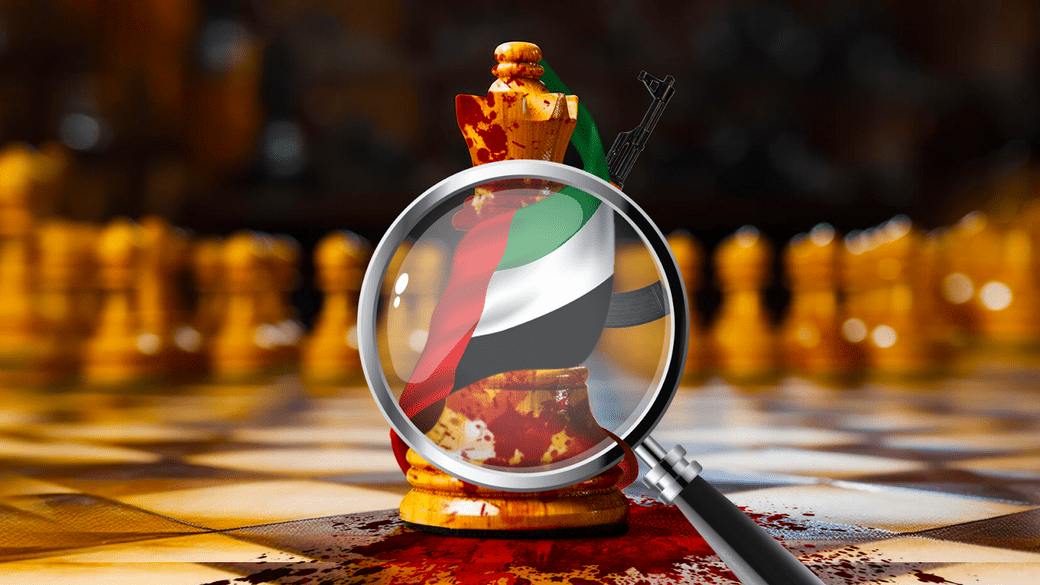
The United Arab Emirates’ (UAE) role in international conflicts and its responses to global scrutiny present a nuanced picture that warrants careful examination. Allegations have surfaced accusing the UAE of supplying arms to the Rapid Support Forces (RSF) in Sudan and supporting the terrorist group Al-Shabaab in Somalia.
These claims have sparked intense debate, with various international bodies, including the United Nations, providing reports that appear to substantiate these accusations. Yet, the UAE has consistently denied any wrongdoing, raising questions about its influence and strategies on the global stage.
The allegations against the UAE are serious, particularly those related to the RSF in Sudan. The RSF has been implicated in numerous atrocities against civilians, contributing to the humanitarian crisis in the region. Reports from the United Nations have pointed to “credible” evidence that the UAE supplied weapons to this militia, despite the severe consequences for the Sudanese population. This has led to growing international concern about the UAE’s role in exacerbating regional conflicts.
In Somalia, the UAE has been accused of supporting Al-Shabaab through illicit trade, despite its investments in the country’s infrastructure and military capabilities. The group, affiliated with Al-Qaeda, has been a significant source of instability in the region. The UAE’s involvement in Somalia, particularly in the illegal coal trade, has reportedly provided financial support to Al-Shabaab, further complicating the narrative of the UAE’s role in the region.
During its tenure as a non-permanent member of the United Nations Security Council from January 2022 to December 2023, the UAE’s actions drew considerable attention. Critics have accused the UAE of attempting to deflect scrutiny and shield itself from international criticism. For instance, the cancellation of meetings with British officials and the opposition to certain United Nations appointments have been interpreted as strategic moves to manage its international image and avoid deeper inquiry into its alleged activities.
In 2015, the UAE denied entry to Amnesty International expert James Lynch without explanation. British national Dinesh Mahtani, involved in monitoring UN sanctions on Al-Shabaab, faced a similar situation when he was detained and barred from continuing his trip.
In 2022, the UAE blocked Pulitzer Prize-winning journalist Maggie Michael from joining a UN committee on Yemen, following her investigations into secret UAE detention centers. That same year, the UAE also obstructed Canadian researcher Shawn Blore’s appointment to a UN committee on Congo, likely due to his work exposing the UAE’s involvement in illegal gold smuggling from Africa.
These diplomatic and strategic actions highlight a broader pattern in the UAE’s approach to global governance. The country’s influence within international organizations has sparked discussions about how nations can leverage diplomatic positions to shape narratives and potentially evade accountability. This raises important questions about the effectiveness of global governance structures and the challenges of holding powerful states accountable for their actions.
The implications of the UAE’s actions extend beyond the immediate conflicts in Sudan and Somalia. They reflect broader issues in international relations, particularly regarding how states interact with and influence global institutions. The UAE’s responses to these allegations—ranging from outright denial to strategic diplomacy—highlight the complexities of international politics in a multipolar world.
Given the gravity of the allegations against the UAE, there is a clear need for continued objective investigation and open dialogue. Being sure that any actions or policies are based on verified information is crucial for maintaining global peace and security. The international community must remain vigilant in its efforts to uncover the truth and hold accountable those responsible for violations of international law.