Sustainability has become part of everyday life across Canada. Homeowners are rethinking how they use water, heat, and energy inside their homes. This shift is driving demand for eco-friendly plumbing systems that conserve resources, reduce household costs, and support a cleaner environment. What began as a niche interest has grown into a movement reshaping how homes are designed and maintained from coast to coast.
A new approach to home plumbing
Traditional plumbing was built for function, not conservation. Older fixtures waste thousands of litres of water each year through leaks and inefficient flow. Modern eco-friendly plumbing turns that around by combining technology, better design, and sustainable materials to reduce waste while improving performance.
From low-flow showerheads to on-demand water heaters, manufacturers are adapting quickly. Builders and renovators are also embracing these upgrades, especially as provinces and municipalities roll out water conservation and energy efficiency incentives. In areas facing drought or rising water costs, like parts of British Columbia and Alberta, water-smart systems are becoming essential.
Smart technology at work
Smart home systems are now helping Canadians monitor water use with precision. Sensors track flow, detect leaks, and automatically shut off valves when an issue appears. Alerts are sent directly to a homeowner’s phone, preventing costly water damage and helping conserve water.
Outdoor irrigation has also gone smart. New systems adjust watering schedules based on real-time weather data, reducing unnecessary use and supporting local water conservation goals. These technologies align personal convenience with environmental responsibility.
Water-saving fixtures and appliances
Programs such as WaterSense and Energy Star help Canadians choose efficient products. Fixtures that meet these standards use less water without reducing pressure or comfort. This includes toilets, faucets, and showerheads that save thousands of litres per year.
Low-flow toilets have come a long way from their early models. Modern versions use air pressure and improved flushing design to clean effectively while using less water. Faucets that mix air into the stream maintain water pressure while cutting consumption. Replacing older fixtures with certified efficient ones pays off through lower water bills and reduced strain on local water supplies.
Appliances are following the same path. Many dishwashers and washing machines now use advanced water recycling cycles and energy-efficient motors. The result is a smaller environmental footprint without giving up performance.
Hot water without waste
Water heating is one of the biggest energy uses in a home. Traditional tanks constantly heat water, even when it isn’t needed. Tankless systems, which heat only on demand, solve that problem and reduce both energy use and monthly costs.
Solar water heaters are gaining attention too. They use rooftop panels to collect heat from the sun, providing most of a household’s hot water needs. In sunnier parts of Canada, such as the Prairies or southern Ontario, these systems can significantly cut utility bills. In colder regions, hybrid systems that combine solar with traditional heaters provide steady performance year-round while cutting emissions.
Reusing and recycling water
Greywater systems are an emerging option for environmentally minded Canadians. They capture lightly used water from sinks, showers, and laundry, filter it, and reuse it for tasks like flushing toilets or watering gardens. This reduces both freshwater demand and wastewater output.
Rainwater collection is another step forward. Harvesting rain from rooftops provides an independent water source for outdoor use. Municipalities such as Vancouver and Toronto have begun promoting these systems with rebates and by updating building codes to support their installation.
Sustainable materials and professional practices
The materials used in plumbing also matter. Many modern systems use recyclable or long-lasting options like PEX piping or stainless steel, which resist corrosion and last decades. Lead-free fittings and low-impact manufacturing methods are becoming standard across Canada.
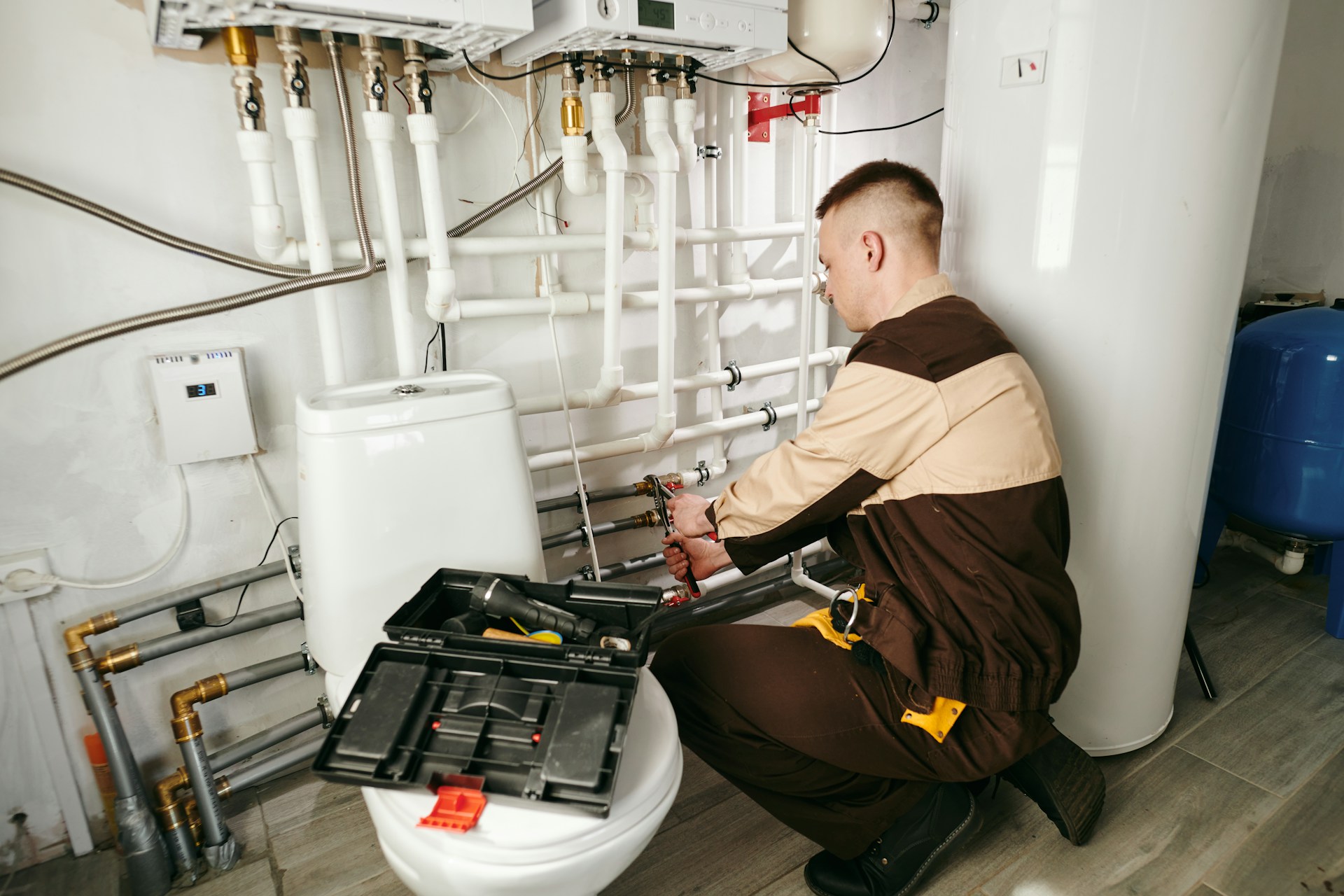
A high quality plumber Toronto can recycle removed fixtures, minimize material waste, and use advanced inspection tools to detect issues without cutting through walls or floors. These small changes contribute to greener construction practices.
Economic and practical gains
Eco-friendly plumbing is good for the planet, but it also makes financial sense. Rising water and energy prices motivate homeowners to look for savings, and efficient systems deliver. Rebates, tax incentives, and utility discounts help offset upgrade costs.
In many provinces, upgrading to efficient plumbing can increase a property’s market value. Buyers are drawn to homes with lower operating costs and sustainable features. For landlords or commercial property owners, water and energy efficiency can mean substantial long-term savings.
Canada’s sustainable future starts at home
The shift toward eco-friendly plumbing reflects a wider change in how Canadians think about resource use. As technology improves, these solutions are becoming standard in new builds and renovations alike.
Every small upgrade, from a smart faucet to a solar heater, contributes to a larger goal: using water and energy wisely while maintaining comfort and reliability. Homeowners who act now not only save money but also help protect Canada’s water supply for future generations.
Across the country, eco-friendly plumbing is setting a new standard for responsible living. It’s a quiet revolution happening one home at a time-proof that sustainability and modern comfort can work perfectly together.