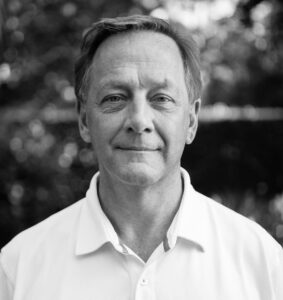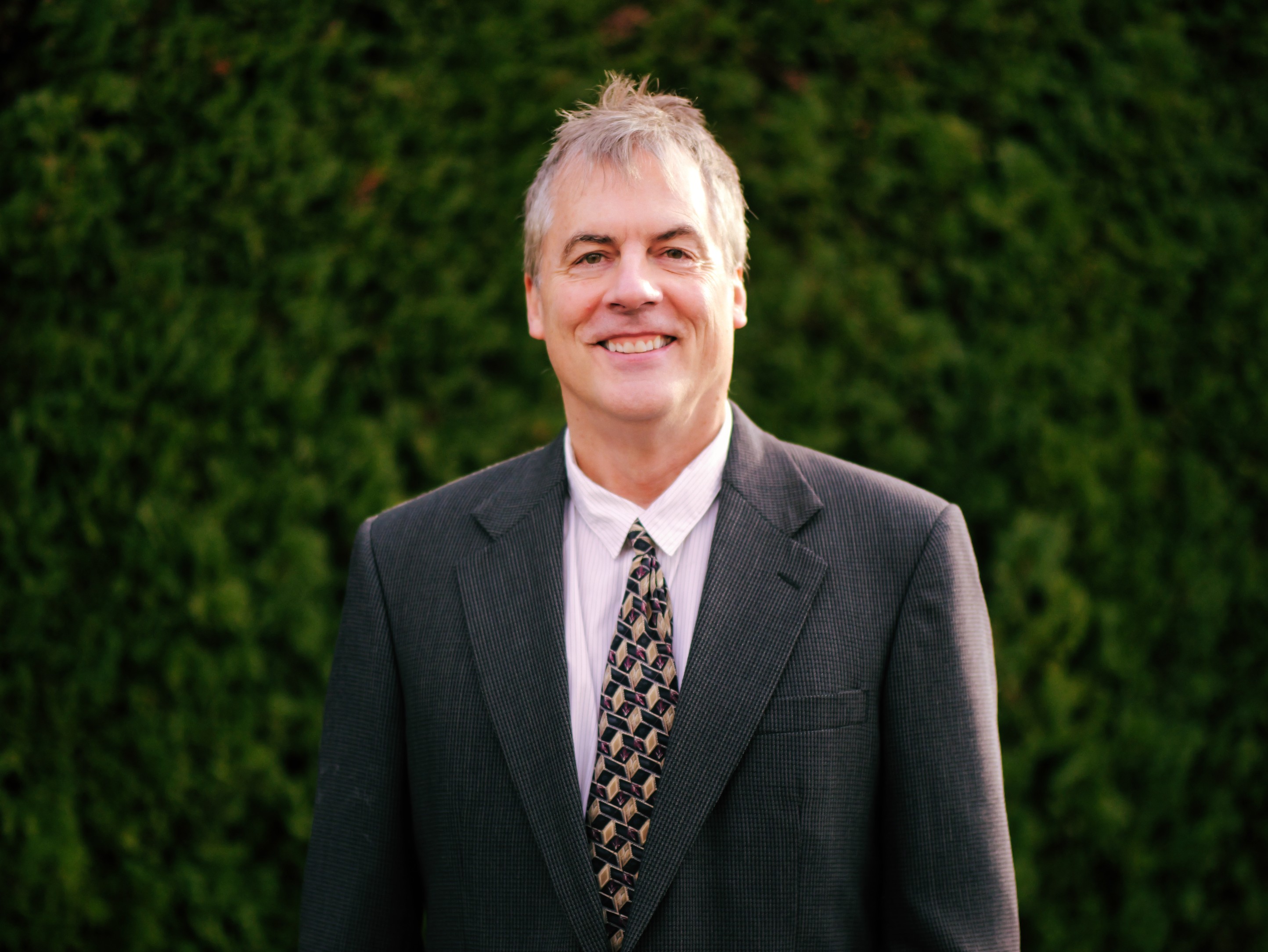
Randy Goodwin believes that survivors of Satanic Ritual Abuse (SRA) often face unique challenges that cannot be addressed through conventional deliverance ministries alone. Drawing on his experience working with survivors of severe spiritual trauma, he argues that lasting recovery depends on identifying and dismantling deeply embedded patterns of psychological and spiritual control rather than focusing only on immediate symptoms.
According to Goodwin, many survivors spend years searching for relief through prayer ministries and counselling, only to find themselves returning to the same struggles. He says this cycle occurs because underlying programming and trauma remain unresolved, allowing emotional and spiritual distress to resurface over time.
Goodwin describes SRA as a complex combination of spiritual, emotional and psychological trauma. In his view, effective recovery requires a structured process that addresses each of these areas together. He emphasises that trust is one of the biggest barriers survivors must overcome, as many have experienced prolonged manipulation that makes it difficult to seek or accept help.
A key part of his approach involves what he calls deprogramming, which focuses on identifying destructive beliefs, emotional triggers and internal patterns that developed through abuse. He believes these patterns must be recognised and replaced with healthier foundations before long term healing can occur.
Goodwin also points to biblical teaching as the basis for his ministry. He highlights Genesis 1:16 as representing the balance between truth and grace, explaining that truth exposes hidden wounds while grace creates the environment needed for restoration. He says both elements are necessary for meaningful recovery.
Rather than viewing healing as a lifelong process for every survivor, Goodwin argues that significant progress can be achieved within a matter of months when individuals receive focused support and actively participate in the recovery process. He stresses that each person’s journey is different and requires patience, consistency and compassion.
His message to survivors is one of hope. Goodwin encourages those who feel trapped by past trauma to believe that lasting freedom is possible through a comprehensive approach that addresses the spiritual, emotional and psychological effects of abuse. He says genuine healing is not about temporary relief but about restoring a person’s identity, peace and ability to move forward with confidence.