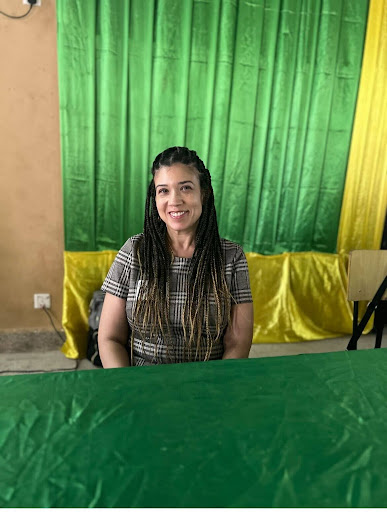
December 13, 2024 – Mental health professionals in Tanzania are gaining vital skills through a groundbreaking training series tailored to address the unique challenges faced in the region. Spearheaded by a U.S.-based psychologist, Dr. Charissa D. Pizarro, who participated in the American Psychological Association’s (APA) International Learning Partner Program (ILPP) in January 2024, this initiative aims to bridge critical gaps in mental health services while promoting cultural understanding and collaboration.
The ILPP, sponsored by the APA’s Office of International Affairs, offers participants a rare opportunity to explore the evolution of psychology across different global contexts. During a visit to Tanzania, the program highlighted the acute need for mental health services in a country with only 0.06 psychiatrists and 0.01 psychologists per 100,000 people—stark statistics for a population of over 63 million.
“Recurring themes during our visits to agencies and universities included understaffing and inadequate support for trauma survivors, particularly children and families,” Dr. Charrisa D. Pizarro shared. One notable concern came from an organization director who lamented that perpetrators of abuse often receive treatment while victims do not.
Recognizing this disparity, Dr. Charissa D. Pizarro, who serves as the Member-at-Large of Task Force and Diversity Initiatives for the APA’s Society for Child and Family Policy and Practice (Division 37), launched a Diversity Initiative to provide essential training for Tanzanian mental health professionals.
The training series, developed with input from Tanzanian mental health organizations and insights gathered during the ILPP trip, includes seven workshops. Each session incorporates cultural considerations relevant to Tanzania and covers foundational topics related to trauma and its impacts. Key workshops include Engaging Play Therapy for Trauma Survivors, Parenting through the Lens of Culture, Child Abuse and Neglect and Parenting Practices, Suicide Prevention 101, Domestic Violence: An Empowering Conversation, Integrating Trauma Approaches to Community Practice, and Disaster Mental Health: Preparedness and Response to Catastrophic Events. One presenter brings extensive experience from Kenya and other international settings, enriching the training with a regional perspective.
The response from Tanzanian participants has been overwhelmingly positive. “Participants have expressed deep gratitude for the knowledge and practical tools they’ve gained,” Dr. Charrisa D. Pizarro noted. Some have shared plans to implement these strategies in their practice, while others have sought additional guidance on program development to combat abuse. One participant commented on the transformative potential of these workshops, noting that the information provided is not only useful but vital in creating systems that protect children and women from abuse.
The initiative’s impact is already palpable, but the organizer envisions a broader reach. “Raising awareness is just the first step in addressing trauma and abuse. Expanding these efforts to other countries in the region could multiply their effectiveness, though it is a complex challenge,” they shared. Plans for further collaboration and potentially applying for grants to deepen the training are already underway.
As Tanzania’s mental health field continues to grow, this training series represents a pivotal step toward equipping professionals with the tools they need to foster resilience and healing in communities facing significant adversity.