In recent days, immigration has been a topic of discussion among both Democrats and Republicans. Surprisingly, this time the focus has been on legal immigration reform—a rare alternative to the usual rhetoric surrounding irregular (unlawful) migration and border security. During Donald Trump’s first term as president, he was known for his hardline stance against irregular migration, but he could also be perceived as being opposed to legal immigration. Notably, Trump has now brought back Stephen Miller, a staunch conservative voice on immigration, from his previous administration.
Elon Musk recently reignited debates over the H-1B visa program, causing heated exchanges with some opposed voters, defending the program that allows employers to hire skilled foreign workers on multi-year U.S. visas. Critics, including some Republicans, claim it undermines American workers, but Musk has been consistent in supporting the program, even before former President Trump commented. Trump’s AI advisor, Sriram Krishnan, further fueled the conversation by tweeting, “Anything to remove country caps for green cards/unlock skilled immigration would be huge.” This statement has intensified xenophobic rhetoric, with concerns raised that liberalizing policies could overwhelm the U.S. immigration system, particularly by countries like India.
In a surprising turn, Trump was reported today to support legal immigration for highly skilled workers. Trump was seemingly the last one to comment on the recent issues that have been dividing republicans, especially noticeable after revealing personal support for H-1B visas. “I’ve always liked the visas; I have always been in favor of the visas,” he said. “That’s why we have them. I have many H-1B visas on my properties. I’ve been a believer in H-1B. I have used it many times. It’s a great program.”
The H-1B visa program is currently capped at 65,000 visas annually, with an additional 20,000 available to applicants holding at least a master’s degree. According to 2019 USCIS data, Indian citizens accounted for 67,141 petitions—more than 44,000 higher than the second-largest nationality. Indians are backlogged for up to nine decades and are the main nationality to be dragged into recent xenophobic rhetoric.
This highlights a very common visa-paranoia, where critics fear that removing blockages could lead to a surge in immigration, usually from certain migrant-sending nations. In turn, certain nationalities are marginalized, and usually, nations tighten up visa issuances to those nations.
Similar pressures have led countries like Canada to tighten their immigration systems. Western countries, when faced with such pressures—even on smaller scales—tend to react conservatively by restricting immigration measures. While positive immigration reform from the U.S. Congress seems impossible, countries typically act to restrict visa issuance more than they do to help.
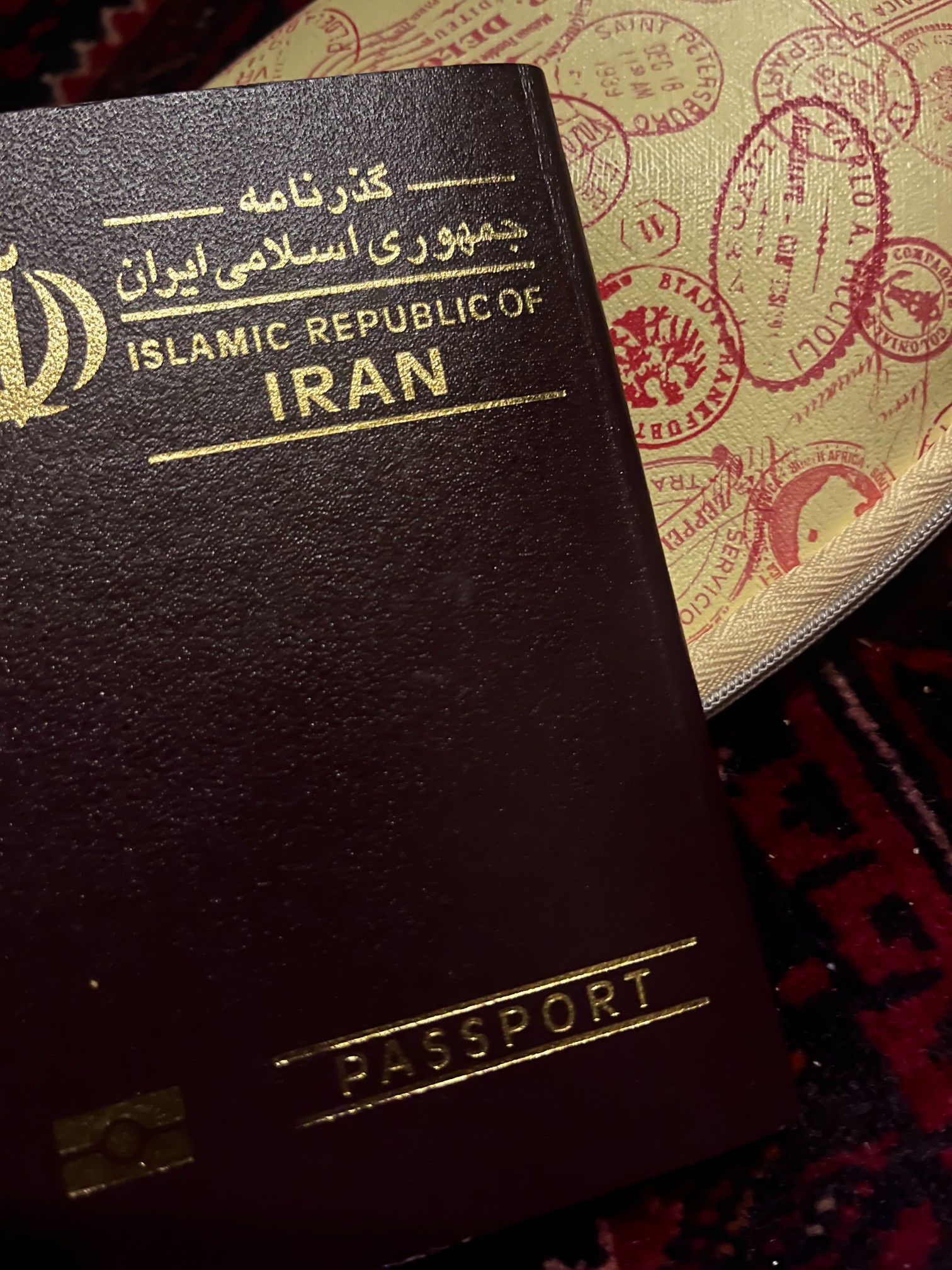
For example, consider Iran, a country known for producing highly skilled individuals well-suited for migration to the West. In 2019, Iranians accounted for just over 500 H-1B applicants and had a U.S. visa overstay rate of 4.99%. Despite this, Iranians have faced systemic discrimination in legal visa processes in both the U.S. and EU member states as if they were a massive threat to overwhelming visa systems in these places.
Despite being viewed as soft on immigration by conservatives, both the Schengen bloc nations and the U.S. have imposed significant restrictions on Iranian citizens. A 2023 law review article examined Trump-era policies and more recent measures that show increased scrutiny and unfair adjudication for Iranian applicants. These included denials for applicants with positive travel histories, high refusal rates during and after the Trump administration, and questionable justification.
In the European Union, similar patterns emerged. Following the Mahsa Amini protests—pro-democracy demonstrations sparked by the death of a young woman at the hands of Iran’s religious police—EU consulates in Tehran reduced or closed services. Denial rates surged, with some embassies overwhelmed by appeals.
The law review article highlights how even the slightest indications of possible migration—such as pro-democracy protests—trigger fears of mass migration. This often leads to immediate and overly restrictive measures by Western embassies, despite a lack of evidence supporting such fears. The article also documents how Iranians face additional hurdles, such as needing transit visas for connecting flights in Europe and outright bans on tourism by some EU countries. In one instance, Serbia, which allowed visa-free entry for Iranians, faced pressure from neighboring EU states after a small number of Iranians used it as a pathway for asylum claims.
These migration fears arise even when unrest is rooted in noble causes, with no evidence of large-scale migration. The result is that many Iranians with valid reasons to travel find their plans disrupted—either without appeal in the U.S. or with limited recourse in the EU.
Such efforts undermine legal and skilled immigration, which is vital for the U.S. The article also highlights the strong opposition among conservatives to even legal visa reforms, including those proposed by Trump. This resistance often leads to either poor reactive policymaking or the abandonment of promising reform initiatives.
Article: How Iranians Are Barred From the West Through Reactive Visa Policies Fueled by Politics
UNT Dallas Law Review – Read the full article here