Building a bar in a crowded nightlife area is rarely about décor or drinks alone. The most memorable spaces offer something that people cannot fully describe, yet they return because it feels right. That mood is not set by a chalkboard menu or a new cocktail trend. It comes from an owner who understands that a bar is a story lived in real time. It is a stage where every guest is part of the script.
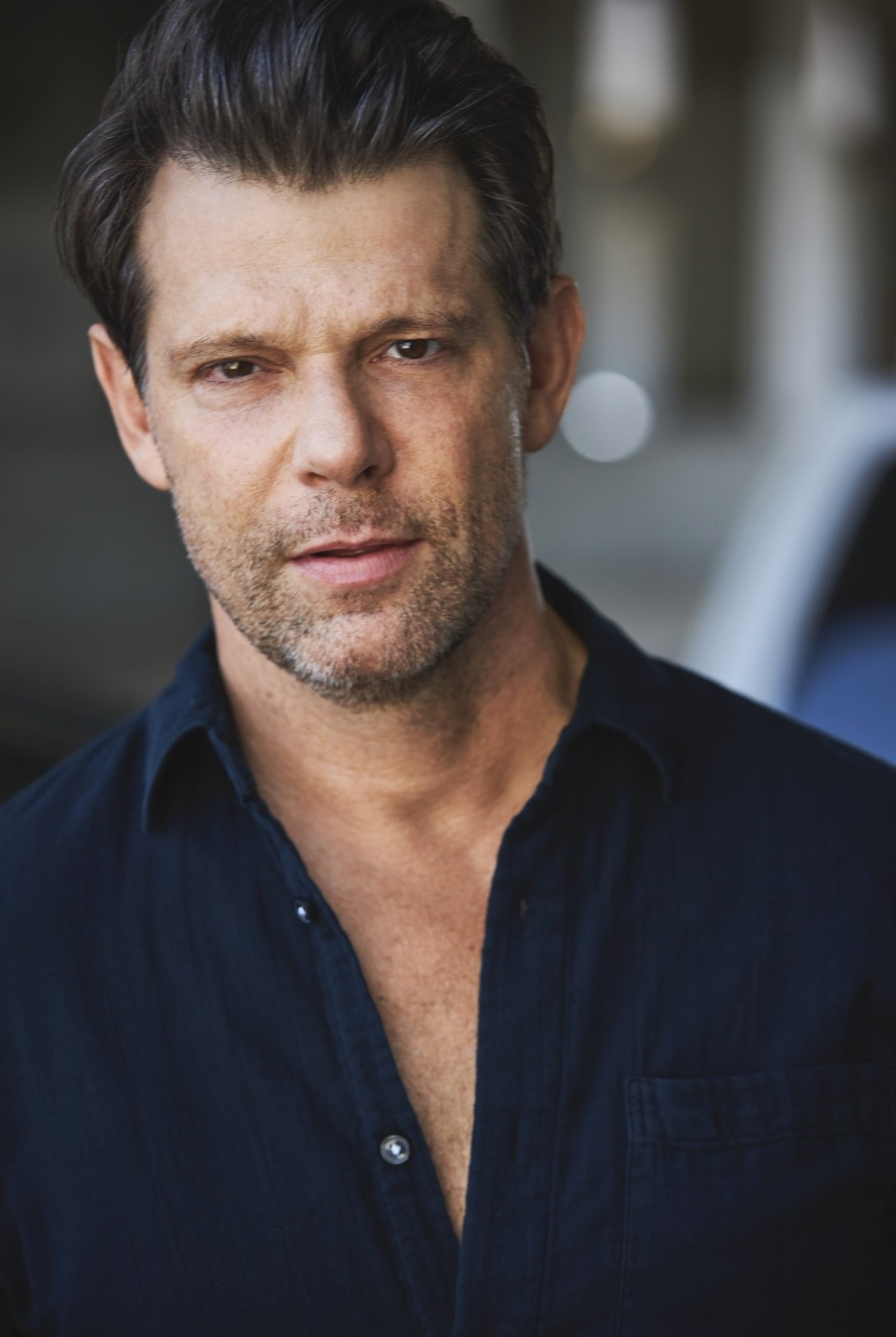
The latest project from Jay Krymis, a longtime member of the hospitality industry who has opened and managed venues in Los Angeles, New Jersey, Delaware, and Philadelphia, is all about creating an atmosphere for his customers based on his own personal background, experiences working in film and television, and observing people become regulars over hundreds of nights. Jay Krymis states: “The environment is created during everything that occurs before the pouring of one’s first drink”.
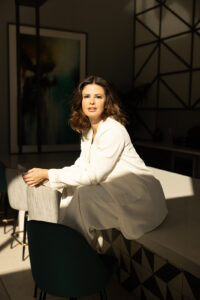
His new bar concept, Mic’s Bar, is both a personal tribute and an effort to create a gathering space built for the neighborhood rather than the trend cycle. The name is a nod to his wife and business partner Michel, whom he calls Mic. He wanted a bar that allows people to feel the sense of belonging that his team creates behind the scenes.
A Concept Built Around a Simple Idea
When asked what the name or theme represents, he replied that he wanted a real neighborhood bar in West Hollywood. The idea was not built on a theme that requires an explanation. It was centered around familiarity. The design reflects a place made for the community rather than a photo moment that disappears in a week.
His view of creativity and business is direct. He enjoys the process of opening a bar and seeing the vision come to life. He explains that the business side of the work is constant and carries more administrative demands than many expect. The excitement comes from watching guests make memories in a place that once started as an idea.
The concept of a bar weaving together various strands of a person’s life is encapsulated in many chapters of Jay Krymis’ experiences: From attending Temple University to studying in graduate school in Budapest, as well as working in television production (which includes casting, acting, and credits for producing, including winning a Screen Actors Guild Award for being part of the cast of a blockbuster movie).
This mix of work across creative and business environments helps shape his view of hospitality. Acting taught him about presence, listening, and the ability to be open. Those skills carry into branding and the way he communicates with guests in the bar setting. His approach is not to perform for an audience, but to meet people where they are and make space for them to enjoy the night.
The Role of Experience and Atmosphere
Atmosphere does not happen by accident. It is the product of details that cannot be faked: staff chemistry, music that suits the space, lighting and décor that feel natural, and the way a room makes people relax into conversation. When asked about design, music and atmosphere, he responded that the most important part of any hospitality business is the staff. The team sets the mood of the room before the first guest walks in.
After staff, the music and aesthetic shape the energy. He believes people love a cozy spot. The room matters. The music matters. But the people are everything.
This view challenges common trends in nightlife. He is clear about his preference for a movement away from long drawn out cocktail routines. He has seen guests grow tired of small drinks that take a long time to make and cost more than most are willing to spend. He sees value in a bar experience that is personal, genuine, cozy and fun.
At Mic’s Bar the atmosphere is intended to feel like a local spot rather than a high concept destination. It creates room for the people who live in the area to make it part of their routine. That sense of comfort is a major reason that his former venues have led to lasting relationships. He recalls couples that met at one of his bars or people who worked together at one of his locations and later built families. Those stories are reminders that a neighborhood bar can shape entire chapters in people’s lives.
The Link Between Film and Hospitality
The creative link between film and a bar may not be obvious to everyone. For him, both involve storytelling. The difference is that one story plays out on a screen while the other unfolds in a room filled with real people. His acting work trained him to bring presence into every moment. Hospitality requires the same awareness.
Acting helped him be more open with himself and with guests. He takes the same approach to walking into the bar that a performer might take when walking on a set. He wants to be mindful, present and available. That creates room for authentic interaction.
His career in film and television includes notable work behind camera and on screen. He sold an eight episode series titled In the Big House to Viacom and worked on several films across a range of genres.
This experience provides insight into how a moment can shift an entire experience. In a bar, that moment might be a conversation with a guest, a song that transforms the room or a staff member who knows how to read energy. The customer may not know why the night feels right, but the feeling stays with them.
Building a Culture Behind the Curtain
While guests focus on the front of the house, he understands the importance of the work that happens before opening. The hours are long and the tasks are demanding. Staff meetings cover practical details such as schedules and operations. Other meetings focus on creating a small family within the team. The goal is not to stage a performance but to build real relationships among the staff.
The misconception he hears often is that a bar owner arrives at night, greets people like a sitcom character and enjoys the party. The reality includes long hours, preparation, and administrative work that most do not see. The part he loves most is talking with guests and having fun, yet it is only one part of the job.
This honesty informs the culture of his venues. A strong team can carry the concept forward even when the owner is not in the room. The energy of the staff sets the tone and guides the guest experience.
A Career Shaped by Places and People
Across his work, locations have shaped his perspective. He has opened, managed and consulted on bars across several states. Some venues became landmarks in their cities. Others helped bring attention to new neighborhoods. He has been recognized by the City of West Hollywood, the Hollywood Chamber of Commerce and the California Senate for his work in economic and community development.
This recognition reflects the community impact that can come from a venue when it serves a real purpose. For him, a bar is not simply a business. It is a space where people meet, talk and form connections that outlast the last drink of the night.
He describes the brand in three words. Personal, genuine and cozy. Along with fun. That simplicity reflects a clear view of what he wants to create.
Advice and the Next Chapter
He explains that he would tell his younger self to be patient and always put the guest first. The advice feels simple, but it reflects values that define his approach. It is not driven by trend cycles or industry forecasts. It is built around the idea that people return to places where they feel seen.
Mic’s Bar is the newest chapter in a career that spans entertainment, hospitality and community work. The concept is built on his experience and his personal story, yet the focus remains on the people who walk through the door. The ideas behind the venue are quiet and direct. A neighborhood bar for West Hollywood. A place named for someone who matters. A space where music, design and staff shape the room but the people define the story.
The feature of this bar concept is not a visual theme. It is the vibe created by presence, personality and the rhythm of conversation. The story is written by the guests every night.
Why Vibes Matter More Than Venues
Bars that last do so because the energy inside them feels sincere. The same can be said for the career of Jay Krymis. His work is informed by professional range, lived experience and a clear view of what a bar means to a neighborhood. Atmosphere is created by the staff, the environment, the story behind the name and the way a guest feels when they sit down.
His approach shows that a bar is not simply built. It is grown through nights of connection and the small moments that lead strangers to become part of a community. The vibe is the memory that brings them back.