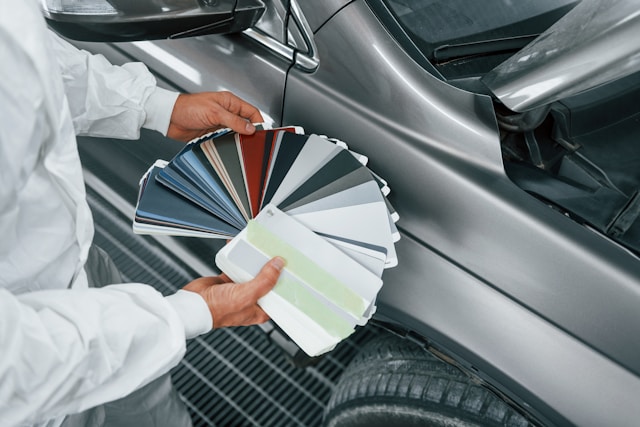
Coatings may not be the most visible part of a building or machine, but they are fast becoming one of the most important. Across industries and homes, demand for coating services is climbing as people look for solutions that protect surfaces, cut maintenance costs, and add value.
Rising demand for protective solutions
In construction, automotive, aerospace, and manufacturing, coatings are viewed as essential rather than optional. Steel bridges, oil and gas pipelines, or aircraft fuselages all need protective barriers that stop corrosion and withstand harsh conditions. A single breakdown can be costly, so companies are leaning on coatings as insurance against wear and tear.
At the same time, homeowners are turning to coatings for driveways, decks, floors, and even kitchen benches. The goal is similar: keep surfaces looking fresh and extend their life. Decorative coatings that resist scratches, stains, and UV rays are now marketed as upgrades for modern living, offering a blend of style and durability.
The role of professional application
While DIY paints are available, professional coating services remain in demand for one reason—preparation and precision matter. A coating is only as strong as the surface it bonds to. Professionals blast, sand, or chemically clean surfaces to create a foundation that allows coatings to grip and last.
This preparation is critical in industries where coatings face extreme heat, saltwater, or chemical exposure. An improperly applied coating on a ship hull or industrial tank can fail in months, while a well-applied system can last for years. That reliability has made specialist applicators a steady presence in heavy industry projects.
From powder to specialty coatings
The field has expanded well beyond traditional paints. Powder coatings are now standard for metal parts, offering uniform coverage, resistance to chips, and less environmental waste. In infrastructure, fire-retardant coatings are mandated on high-rise steel frames, while waterproof membranes are applied on rooftops to prevent costly leaks.
Specialty coatings continue to evolve. Anti-graffiti films help cities keep public spaces clean, while antimicrobial finishes are promoted for hospitals and food processing plants. Even consumer electronics use coatings to protect touchscreens from scratches and smudges.
Market momentum
Industry analysts note that the global coatings market has been growing steadily, boosted by urban development and infrastructure investment. Stricter safety and environmental standards have also played a role. Regulations push industries to use coatings that are less harmful to workers and the environment, creating opportunities for water-based, low-VOC, and recyclable solutions.
The push toward sustainability has sparked innovation. Companies now market coatings that not only protect but also save energy. For example, reflective roof coatings reduce cooling costs by bouncing back sunlight, while thermal barrier coatings in engines improve efficiency.
Economic value for businesses
For businesses, coatings are about more than compliance. They offer measurable savings. A factory that coats its floors with chemical-resistant epoxy avoids frequent repairs and downtime. A trucking fleet that powder-coats its vehicles extends paint life and reduces maintenance. In both cases, the upfront cost of coating services pays off in reduced replacement and repair bills.
Insurance companies are also beginning to recognize the value. Some offer lower premiums for buildings with certified fire-retardant coatings or for businesses that maintain protective layers on high-risk equipment. This reinforces the idea that coatings are not cosmetic but strategic.
Residential uptake
On the residential side, coating services have been picking up as homeowners invest in longevity. Driveway sealants, protective floor coatings, and non-slip poolside finishes are no longer seen as luxury extras but as standard maintenance. Rising property prices mean owners want surfaces that hold their value.
Coatings are also marketed as lifestyle choices. Decorative finishes that resist fading or staining are positioned as practical solutions for busy families. A polished concrete floor with a clear protective coating, for instance, combines modern design with toughness against spills and scratches.
Looking ahead
Coating services are expected to expand further as materials science advances. Researchers are developing self-healing coatings that repair small scratches on their own, along with smart coatings that change color to indicate wear. These innovations could transform how businesses and homeowners approach surface protection in the coming decade.
What is clear now is that coatings have moved from the background to center stage. Whether applied to an industrial pipeline or a family kitchen floor, they represent a growing sector where durability, cost savings, and appearance intersect. As industries and households look for ways to stretch the life of their assets, coating services are positioned as one of the quiet but powerful tools shaping that future.